Tenant or landlord: Who pays which costs in Austria?

When renting an apartment or a house in Austria it’s important to know your rights when it comes to expenses.
Operating costs, also known as the “second rent”, cover things like insurance, management fees and rubbish removal. Then there are utility bills, such as gas, electricity and internet, all of which can add up to significant monthly outgoings on top of the rent payment.
But when renting a property in Austria, who is responsible for which costs? The tenant or the landlord?
As with most things in life, it depends. Here’s why.
What are operating costs?
Operating costs (Betriebskosten) are financial expenses that landlords can pass onto tenants in Austria. It’s to ensure tenants pay their share of the running costs of a property.
However, the type of operating costs that a tenant is liable for will depend on the type of property they live in. Thankfully this is laid out in the Tenancy Act (MRG).
For example, in Vienna if you live in a new building that is subsidised with public funds, or an Altbau (old building built before 1945), then the law specifies which costs can be charged by a landlord.
These include water, garbage collection, electricity for lighting staircases and common areas, insurance for fire and water damage, management fees and running costs of communal facilities.
Whereas in a privately owned building, the rental contract should specify the operating costs that have to be paid by the tenant and which costs are covered by the landlord.
This can be negotiated before signing a contract.
How are operating costs calculated?
According to The Tenants Association, operating costs are typically billed monthly at a flat rate. Each tenant pays a share of the expenses for the building in relation to the size of their apartment.
The monthly amount is calculated by the total expenses of the previous year, plus a maximum increase of 10 per cent. Operating costs can legally be increased once a year.
A landlord must submit the bill for operating costs for the previous calendar year by June 30th. The landlord then has until the end of the year to correct the amount (if necessary). Once this deadline has passed the landlord can no longer make any claims for operating costs for the previous year.
Tenants with concerns about their bill for operating costs should seek advice from professional rental associations like Tenants Assistance for Vienna or The Tenants Association.
Stadt Wien also has a useful operating costs calculator that is free to use.
Who pays for utilities?
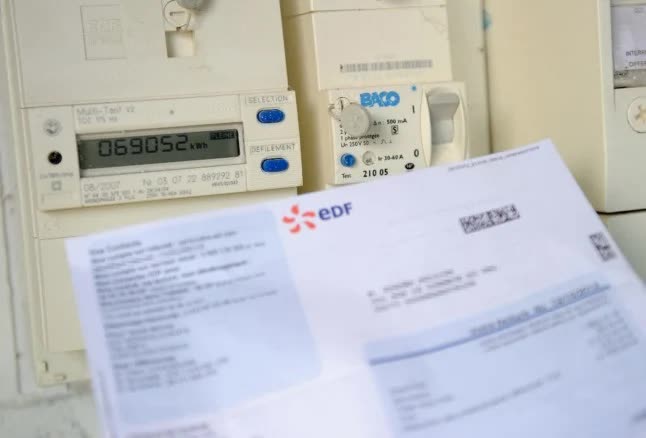
Eligibility for the cost of utilities (gas, electricity, water) will be stated in the rental contract.
Usually the tenant pays these bills unless the cost of utilities is included in the rent, with the exception of cold water which is covered by the Tenancy Act and can be included in operating costs.
If utilities are not included in the rent, the good news is that you can sign up with a provider of your choice. However, if the utilities are included, then the landlord will typically choose the provider.
Operating costs covered by the Tenancy Act
These are operating costs that can be passed on to the tenant by the landlord in accordance with the law.
- Cold water costs
- Insurance for fire, liability and water
- Operational costs for communal facilities, such as electricity for lifts or maintenance of a shared garden
- Housekeeping and management fees
- Taxes, including property tax
- Pest control
- Chimney sweeping
- Rubbish removal
- Sewer clearing
Operating costs not covered by the Tenancy Act
The following costs are not covered by Austrian law, which means landlords can’t pass on these costs to tenants.
- Electricity in apartments (this is usually paid for by the tenant unless stated otherwise in the contract)
- Repair work for burst pipes, damaged chimneys, lighting in staircases or intercoms
- Connection to the public water supply network
- Bank charges, interest or telephone fees
- Clearing rubbish, such as after renovations on the building
Additional costs for tenants
The following are typical monthly costs that must be paid by tenants unless otherwise stated in the rental contract. Read More...