The 15 foods you can ignore best-before dates on

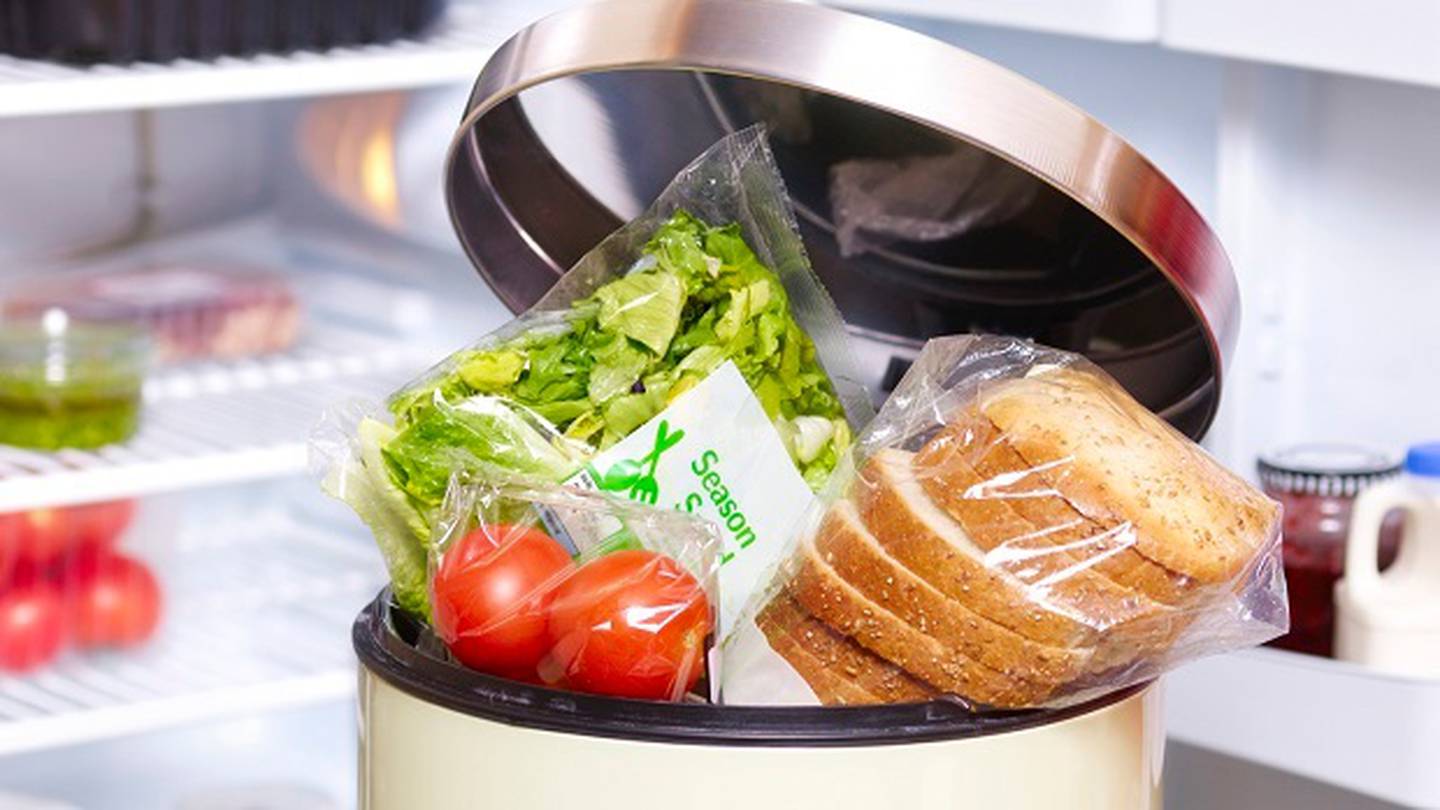
While it seems sensible to pay attention to best before labels, you could accidentally be throwing out food that's perfectly good to eat, according to a food waste movement started in the UK.
Too Good To Go has urged shoppers not to rely on best-before dates and use-by labels in order to tell whether or not food is good enough to eat.
It also said consumers throw away around 3.1 million tonnes of food per year – which on average costs households between $2000 to $2500 per year, Oz Harvest says.
But Too Good To Go, says that as long as an item looks, tastes and smells okay, you can probably use it past the best before date.
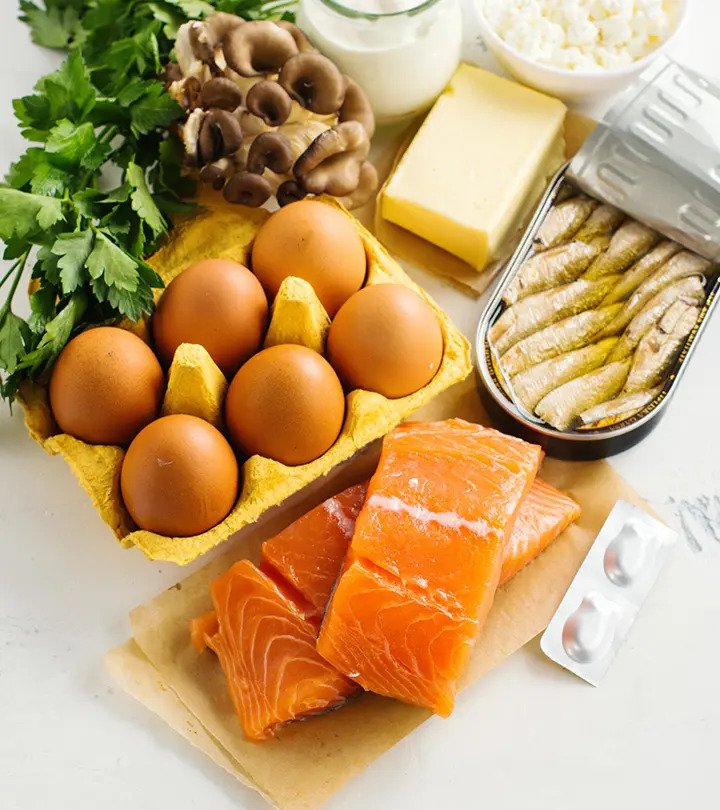
Common items that are safe to eat if they pass this three-step test include eggs, milk and cheese.
Frozen food, dried pasta and bread are also likely to remain edible after the best before date has passed.
/cloudfront-ap-southeast-2.images.arcpublishing.com/nzme/IBL6KLTTELKKUBHGBF7ZFO4YWQ.jpg)
What is a best-before date?
The best before date is related to quality and there is no harm in eating items that have gone past "best" if they have been stored correctly, like at the right fridge temperature.
This is different from the use-by date, which is very important in the safety of food.
You can eat the food right up to the use-by date but not after, according to Foods Standards Australia, New Zealand.
Even if it looks, smells and tastes okay, food after its use-by date can still contain unseen bacteria that can make you ill.
Many people don't understand the difference between the two labels.
"Reducing food waste is a win-win solution," Jamie Crummie, co-founder of Too Good To Go told The Sun.
"Not only do you reduce its harmful impact on the environment, but you save money in the process too.
"In the midst of a cost-of-living crisis, reducing our food waste is a really simple and easy thing that everyone can do to reduce their food costs, all the while knowing you're doing something great for the planet too."
/cloudfront-ap-southeast-2.images.arcpublishing.com/nzme/YQETFF4XWUYRRT4MKJ3WQPWFBQ.jpg)
Which products can I eat past the best before date?
With food prices rising, household finances are under pressure for millions.
Official data says groceries have risen by 4.2 per cent between December 2019 and December 2021, excluding tobacco and alcohol.
That's a touch slower than overall consumer price inflation which has gone up 4.39 per cent in total over two years.
But overall, Australians and New Zealanders are reporting feeling like their grocery bills have gone up far, far more than the official figures.
Avoiding throwing out food that's still good could help you save some much-needed cash.
Of course, the exact amount you can save depends on how much you usually chuck out and which items you can rescue before they are binned.
Here's what you can eat after the best before date has passed, as long as you've kept it in the right conditions and it looks, smells and tastes okay.
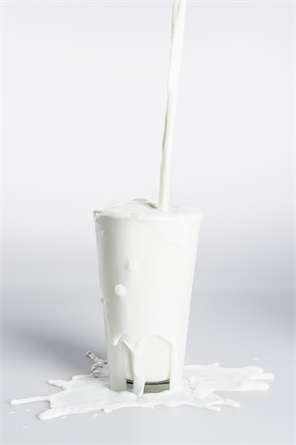
Milk
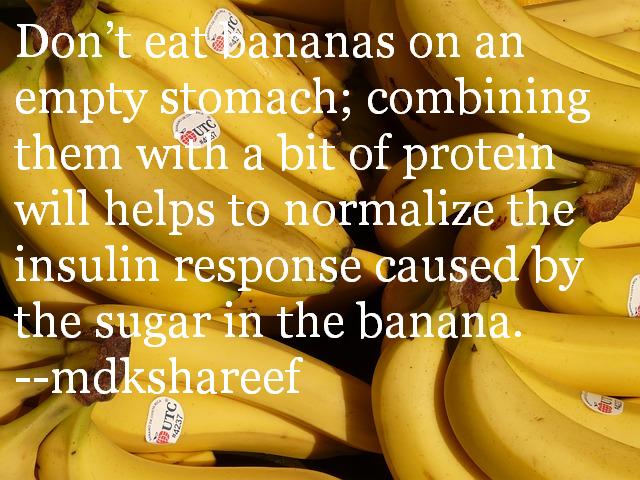
Milk is the fifth most wasted food and drink product, after potatoes, bread, bananas and lettuce according to Aus Food News.
With the average cost of a litre of milk currently $1.72, that's millions of dollars down the drain too.
It's easy to tell if milk has gone off as it can go lumpy, smell funky, or taste sour.
Bread
If you store your bread in the fridge you can use it for up to two weeks past the best before date.
Bread that has gone a little hard will still be great for toast, Too Good To Go says.
Bread sold in long-life packaging like pittas can last for considerably longer too – potentially months.
Eggs
Millions of eggs are thrown out every year.
Keep them in the fridge and this could increase usability by as much as three weeks after the best before date.
/cloudfront-ap-southeast-2.images.arcpublishing.com/nzme/2HS7OLHZG7MC4W7EJVNSN4UGC4.jpg)
An easy test to see if an egg is good to eat is putting it in a bowl of water – if it sinks it's fine to eat, if it floats then it's not. Read More…