The 75, 85, 100 Rule of Shooting: How to Be a Happier Photographer
-
 Loading...
 - Deborah Korir
- 07 Jun 2022
- 271 Views
- 0 Like
- 0 Comment
We have all heard that “real photographers get it right in camera.” Whether it is attached to some asinine argument about shooting RAW vs JPEG or a preachy lecture about the pitfalls of using anything but manual mode, there can be a lot of pressure to get perfect images right out of the camera. There can also be an apathetic tendency to just “fix it in post”. Both extremes have their downfalls and I have found that a balanced approach is essential for personal development and happiness.
I am just old enough to have survived the digital revolution, and there are certainly things that I remember quite fondly from the film age. Before I am branded as some neo-Luddite, I want to be clear that I do not envision myself ever returning to film for commercial work – the cost and convenience factor makes this implausible. But, I really love shooting film!
In many ways, shooting film was a much more streamlined workflow. Assuming that your film was being developed at a quality lab, much of the post-processing that now falls on the photographer was done by one of the minilab operators perched behind a Noritsu or Frontier. Even if you scanned and edited images in Photoshop as I did, I knew what film stock I liked – it had a native look close to what I wanted.
That really isn’t the case anymore. There have certainly been incredible advancements in the quality of images produced by modern digital cameras compared to my first D70, but I have yet to find the magic combination that mimics the simplicity of film’s workflow.
In the early days of my digital switch, I felt like I was starting over in photography. The foundational concepts still applied, but I found myself very frustrated that I could not get the same “look”. And out of that frustration, I developed an approach to help bridge the transition.
Frustration can kill creativity. My problem was not that I somehow forgot the fundamentals of photography, it was that I needed to grow into a better understanding of the current technological changes. I needed a system that would allow me room to screw up and figure things out – to grow. This approach has not only helped me, but for well over a decade I have used this same approach with my students to help them navigate their development.
Much like my students, I found that when I was growing as a photographer, I was much happier in my journey which encouraged further growth. It was cyclical.
My hope is that this may help reduce some of the pressure and stigma to allow the photographer to focus on creating substantive work, not whether they are “doing it right”. I have called this approach the 75, 85, 100 Rule, but “guideline” is probably a more appropriate term. Your numbers may look a little differently depending on how far along in your journey you are, but in my experience, these are a good starting point.
Get Your Photo 75% Right In Camera
Rangefinder and WPPI released a report in May of 2021 outlining several key metrics for the professional wedding market. While I recognize that not every reader is a professional photographer, is a professional wedding photographer, or wants to be a professional photographer at all, there was one key statistic that I believe holds true for our artform: we as photographers spend a lot of time behind the computer. In fact, this report found that 58% of respondents spend more time behind the computer than behind the camera with only 19% spending more time photographing.
Truthfully, I find the computer to be a soul-sucking mass of capacitors, integrated circuits, and black magic. I don’t really like editing, but the reality is that shy of farming it out and hoping the editor understands your vision, it’s part of our workflow.
The good news is that we do have some say in this! We get to choose how much editing needs to be done. I teach my students that every minute saved behind the computer is a minute freed to work with a new client or go sit under a tree – both are totally valid. My advice to them is to focus on a few simple things to get the image 75% right in camera.
1. Coverage is Everything
If you think you have shot enough, shoot more. Explore all angles of the subject – change the camera’s perspective. Try a different focal length and depth of field, check for dirty frame edges, and make sure your exposure, white balance, and critical focus are as close as possible. I know we have all looked at the collective images from a shoot and thought “if only I had…”. The best advice I might offer is to first ensure that you are shooting enough.
I don’t want anyone to hear the spray and pray approach being advocated here, you are working a camera, not a machine gun, but an extra 10 thoughtful frames might save a lot of time in the edit. Slow down, assess the subject and your shooting; look for the shots you’ve missed.
2. Learn to Love a Color Checker
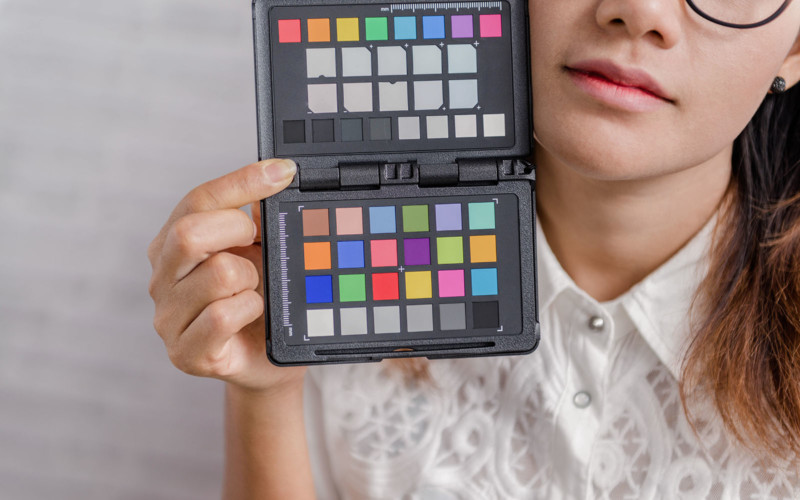
Yes, it is an additional step to create and apply color profiles. But! An extra fifteen seconds to grab a shot of a color chart might pay off big down the road when you get to editing. It doesn’t have to be from Calibrite, but invest in a good IT8 chart, it’s worth your time and money.
3. Be OK with “Close”
The goal is always growth and personal betterment. I want my images to be as close to client-ready as possible, especially when the client is me. However, I firmly believe that there is a tie between the quality of the work produced and the enjoyment of producing the work. When we become so focused on everything being perfect, it can lead to self-doubt and procrastination – it often stunts our ability to be creative.
I am not promoting the “meh, I’ll fix it in post” mentality, get it as close as you can to your vision. If the closest you can get to your vision is 75% right now, give yourself permission to be happy with that. Read More…