The Bank of England raises rates again in a bid to corral inflation.
-
 Loading...
 - Diane Hunter
- 18 Mar 2022
- 404 Views
- 0 Like
- 0 Comment
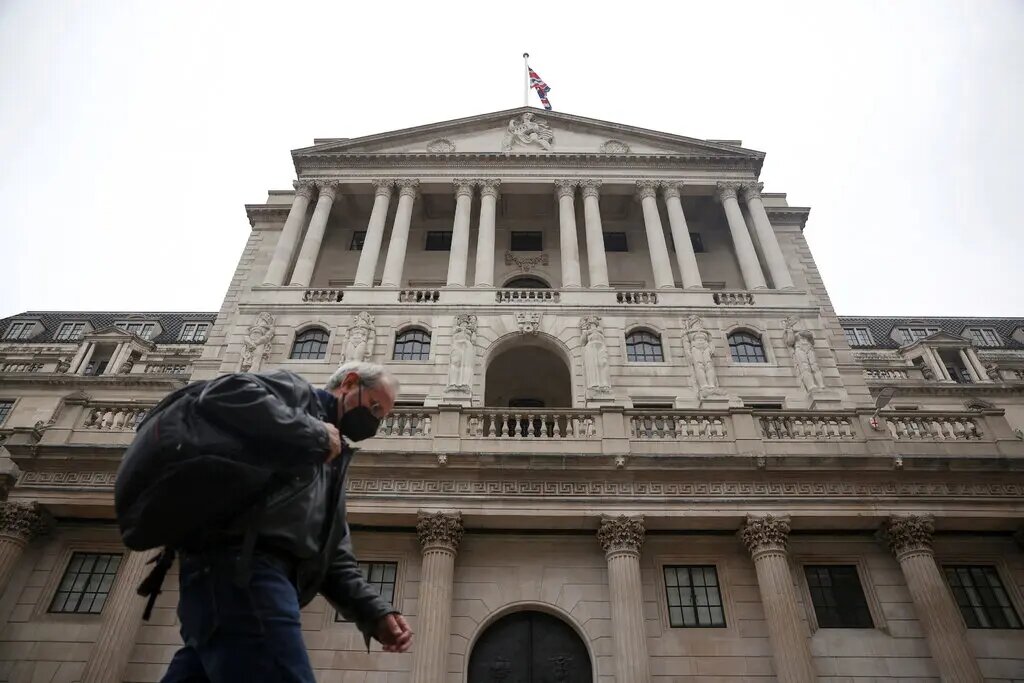
The Bank of England raised interest rates to their prepandemic level on Thursday in an effort to combat rapidly accelerating inflation that has been worsened by the war in Ukraine.
The central bank raised rates by 0.25 percentage points to 0.75 percent, the third consecutive increase at a policy meeting, as it forecast that inflation would reach about 8 percent in coming months, and possibly rise higher later in the year. But the decision wasn’t unanimous as policymakers weighed the gloomier outlook for the British economy.
While the war has led to higher energy and commodity prices, pushing up the expected peak in inflation, it is also predicted to cut economic growth in Europe, including Britain. This creates a challenge for the bank. Its goal is to bring inflation, which hit 5.5 percent in January, down to its 2 percent target, but policymakers want to avoid cooling the economy too aggressively and knocking the nascent post-lockdown recovery off course.
“The global economy outlook had deteriorated significantly following Russia’s invasion of Ukraine in late February, and the associated material increase in the prices of energy and raw material,” the bank said in a statement.
For now, global central bankers are focused on taming inflation. On Wednesday, the Federal Reserve raised U.S. interest rates for the first time since 2018 and projected six more increases this year as inflation soars. Last week, the European Central Bank moved closer to raising its interest rates when it proposed an end date for its bond-buying program. On Thursday, Christine Lagarde, the president of the European Central Bank, said Europe was unlikely to return to prepandemic inflation patterns, which consistently undershot the bank’s target.
For Britain, and Europe as a whole, the economic ramifications of war come on the heels of an energy price shock that started last fall and just months after the economy regained its prepandemic size.
“The economy has recently been subject to a succession of very large shocks,” the Bank of England said on Thursday. “Russia’s invasion of Ukraine is another such shock.” If energy and commodity prices stay high, they will weigh on Britain’s economy.
“This is something monetary policy is unable to prevent,” the bank added.
The bank’s run of rate increases began in December, the first move higher in three and a half years. The rate had been 0.1 percent since March 2020, when the onset of the pandemic sent financial markets careening and the government first introduced lockdown measures.
On Thursday, the bank said it had raised interest rates in order to stop higher trends in pay and consumer prices from becoming stronger and entrenched. Read More…