Home Upload Photo Upload Videos Write a Blog Analytics Messaging Streaming Create Adverts Creators Program
Bebuzee Afghanistan Bebuzee Albania Bebuzee Algeria Bebuzee Andorra Bebuzee Angola Bebuzee Antigua and Barbuda Bebuzee Argentina Bebuzee Armenia Bebuzee Australia Bebuzee Austria Bebuzee Azerbaijan Bebuzee Bahamas Bebuzee Bahrain Bebuzee Bangladesh Bebuzee Barbados Bebuzee Belarus Bebuzee Belgium Bebuzee Belize Bebuzee Benin Bebuzee Bhutan Bebuzee Bolivia Bebuzee Bosnia and Herzegovina Bebuzee Botswana Bebuzee Brazil Bebuzee Brunei Bebuzee Bulgaria Bebuzee Burkina Faso Bebuzee Burundi Bebuzee Cabo Verde Bebuzee Cambodia Bebuzee Cameroon Bebuzee Canada Bebuzee Central African Republic Bebuzee Chad Bebuzee Chile Bebuzee China Bebuzee Colombia Bebuzee Comoros Bebuzee Costa Rica Bebuzee Côte d'Ivoire Bebuzee Croatia Bebuzee Cuba Bebuzee Cyprus Bebuzee Czech Republic Bebuzee Democratic Republic of the Congo Bebuzee Denmark Bebuzee Djibouti Bebuzee Dominica Bebuzee Dominican Republic Bebuzee Ecuador Bebuzee Egypt Bebuzee El Salvador Bebuzee Equatorial Guinea Bebuzee Eritrea Bebuzee Estonia Bebuzee Eswatini Bebuzee Ethiopia Bebuzee Fiji Bebuzee Finland Bebuzee France Bebuzee Gabon Bebuzee Gambia Bebuzee Georgia Bebuzee Germany Bebuzee Ghana Bebuzee Greece Bebuzee Grenada Bebuzee Guatemala Bebuzee Guinea Bebuzee Guinea-Bissau Bebuzee Guyana Bebuzee Haiti Bebuzee Honduras Bebuzee Hong Kong Bebuzee Hungary Bebuzee Iceland Bebuzee India Bebuzee Indonesia Bebuzee Iran Bebuzee Iraq Bebuzee Ireland Bebuzee Israel Bebuzee Italy Bebuzee Jamaica Bebuzee Japan Bebuzee Jordan Bebuzee Kazakhstan Bebuzee Kenya Bebuzee Kiribati Bebuzee Kuwait Bebuzee Kyrgyzstan Bebuzee Laos Bebuzee Latvia Bebuzee Lebanon Bebuzee Lesotho Bebuzee Liberia Bebuzee Libya Bebuzee Liechtenstein Bebuzee Lithuania Bebuzee Luxembourg Bebuzee Madagascar Bebuzee Malawi Bebuzee Malaysia Bebuzee Maldives Bebuzee Mali Bebuzee Malta Bebuzee Marshall Islands Bebuzee Mauritania Bebuzee Mauritius Bebuzee Mexico Bebuzee Micronesia Bebuzee Moldova Bebuzee Monaco Bebuzee Mongolia Bebuzee Montenegro Bebuzee Morocco Bebuzee Mozambique Bebuzee Myanmar Bebuzee Namibia Bebuzee Nauru Bebuzee Nepal Bebuzee Netherlands Bebuzee New Zealand Bebuzee Nicaragua Bebuzee Niger Bebuzee Nigeria Bebuzee North Korea Bebuzee North Macedonia Bebuzee Norway Bebuzee Oman Bebuzee Pakistan Bebuzee Palau Bebuzee Panama Bebuzee Papua New Guinea Bebuzee Paraguay Bebuzee Peru Bebuzee Philippines Bebuzee Poland Bebuzee Portugal Bebuzee Qatar Bebuzee Republic of the Congo Bebuzee Romania Bebuzee Russia Bebuzee Rwanda Bebuzee Saint Kitts and Nevis Bebuzee Saint Lucia Bebuzee Saint Vincent and the Grenadines Bebuzee Samoa Bebuzee San Marino Bebuzee São Tomé and Príncipe Bebuzee Saudi Arabia Bebuzee Senegal Bebuzee Serbia Bebuzee Seychelles Bebuzee Sierra Leone Bebuzee Singapore Bebuzee Slovakia Bebuzee Slovenia Bebuzee Solomon Islands Bebuzee Somalia Bebuzee South Africa Bebuzee South Korea Bebuzee South Sudan Bebuzee Spain Bebuzee Sri Lanka Bebuzee Sudan Bebuzee Suriname Bebuzee Sweden Bebuzee Switzerland Bebuzee Syria Bebuzee Taiwan Bebuzee Tajikistan Bebuzee Tanzania Bebuzee Thailand Bebuzee Timor-Leste Bebuzee Togo Bebuzee Tonga Bebuzee Trinidad and Tobago Bebuzee Tunisia Bebuzee Turkey Bebuzee Turkmenistan Bebuzee Tuvalu Bebuzee Uganda Bebuzee Ukraine Bebuzee United Arab Emirates Bebuzee United Kingdom Bebuzee Uruguay Bebuzee Uzbekistan Bebuzee Vanuatu Bebuzee Venezuela Bebuzee Vietnam Bebuzee World Wide Bebuzee Yemen Bebuzee Zambia Bebuzee Zimbabwe
Blog Image

The Beginner's Guide to Tripods

The trusty tripod has remained relatively unchanged as cameras and lenses become increasingly more advanced and complicated. Sure, manufacturers use increasingly more sophisticated materials, such as carbon fiber, but the fundamental character of the tripod has stood the test of time. A tripod has three legs and is a worthy addition to any photographer’s kit. There’s not much else to say, is there?

Not so fast. While the idea of the tripod is simple enough – it stabilizes your camera so you can capture sharper images – a photographer looking to purchase their first tripod can quickly become overwhelmed. There are many options, and if you don’t ask yourself a few important questions to help you narrow down your choices, you’ll be lost in a sea of three-legged support systems with no support system of your own to guide you.
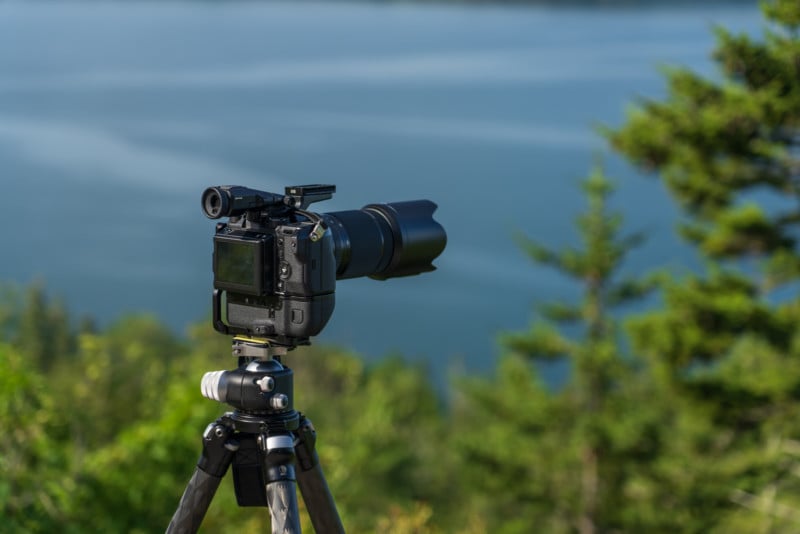

In this guide, we’ll cover the basics of what a tripod is, what it does, how to use it, and perhaps most importantly, how to ensure you pick the right one for your needs.

What is a Tripod?

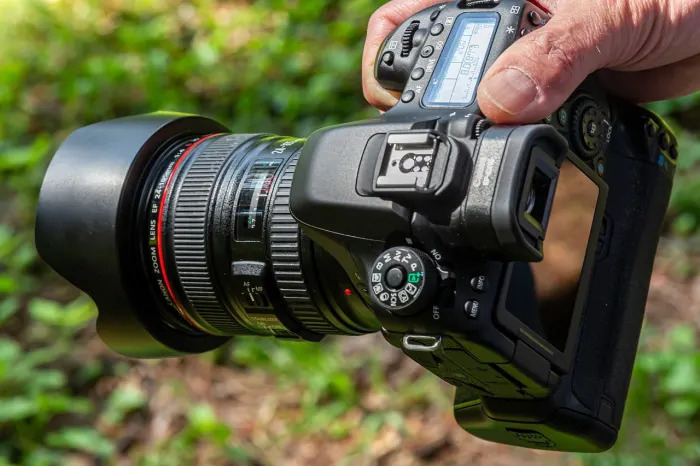
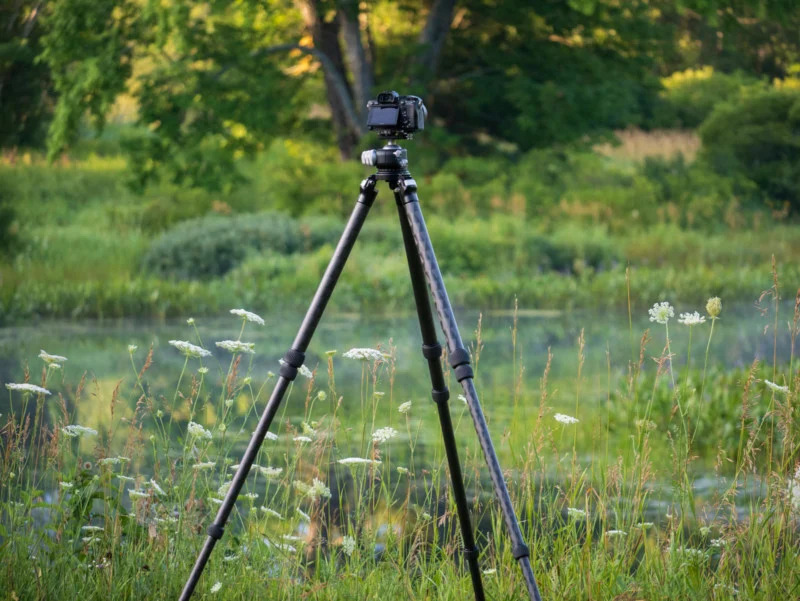
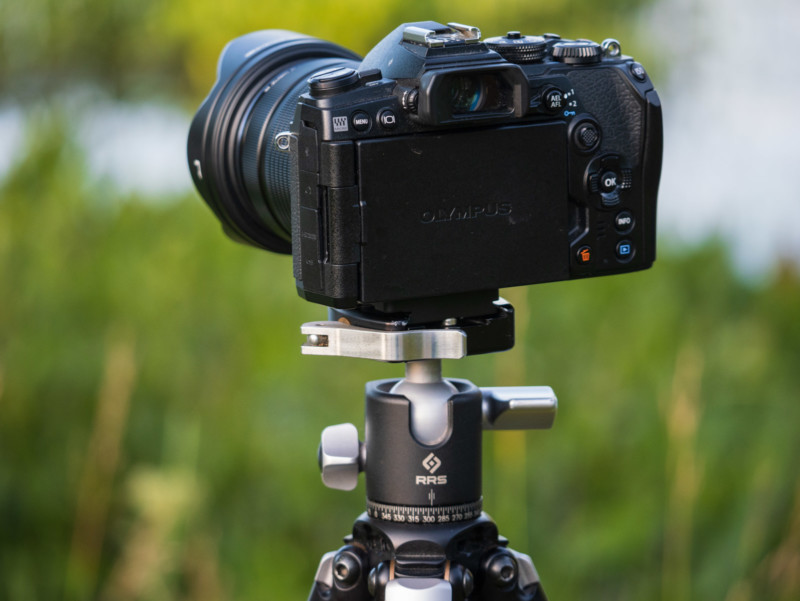
This section is short and sweet. A tripod is a simple piece of gear with three legs and a head. You attach your camera to the tripod head with a plate, which could be a basic universal plate or custom-built for your specific camera, and the tripod legs keep your camera stable.
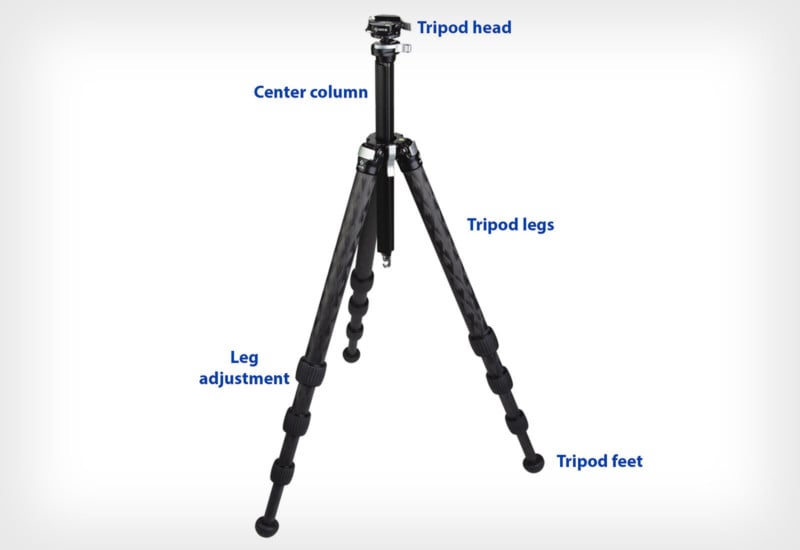
For many entry-level and even some mid-to-high-end tripods, they come with the legs and a tripod head in a kit. The head is often – although not always – removable. As your budget increases, it’s often the case that you must purchase tripod legs and a head separately, further complicating your purchasing decision and expanding your options.
Some tripods also include a center column. This column can extend up from the legs to make your tripod head sit higher. In some cases, center columns can even come out to the side of the tripod, allowing you to have your camera get very low to the ground. If your center column doesn’t slide out to the side, the bottom of the column will limit you from getting very low since the column will hit the ground.

At the bottom of your tripod’s legs are its feet. From the bottom, it’s feet, legs, and then head. You could consider a center column a torso if it helps the corporeal metaphor. Tripod feet aren’t exciting, but they’re not to be overlooked. Some tripods have changeable feet, allowing you to use rubber feet, spikes (for sand), or claws (for rocks and ice). Good feet can make a tripod more stable on different surfaces.

To summarize quickly, all tripods consist of legs and a head. The adjustable legs extend and collapse to change the height of your tripod and ensure that it’s level on uneven terrain. Additional height can sometimes be achieved using a center column that sits between your tripod head and the legs. Your camera attaches to the tripod on a tripod head. You adjust the tripod head to adjust your camera’s orientation and angle.

Why Do You Need a Tripod?

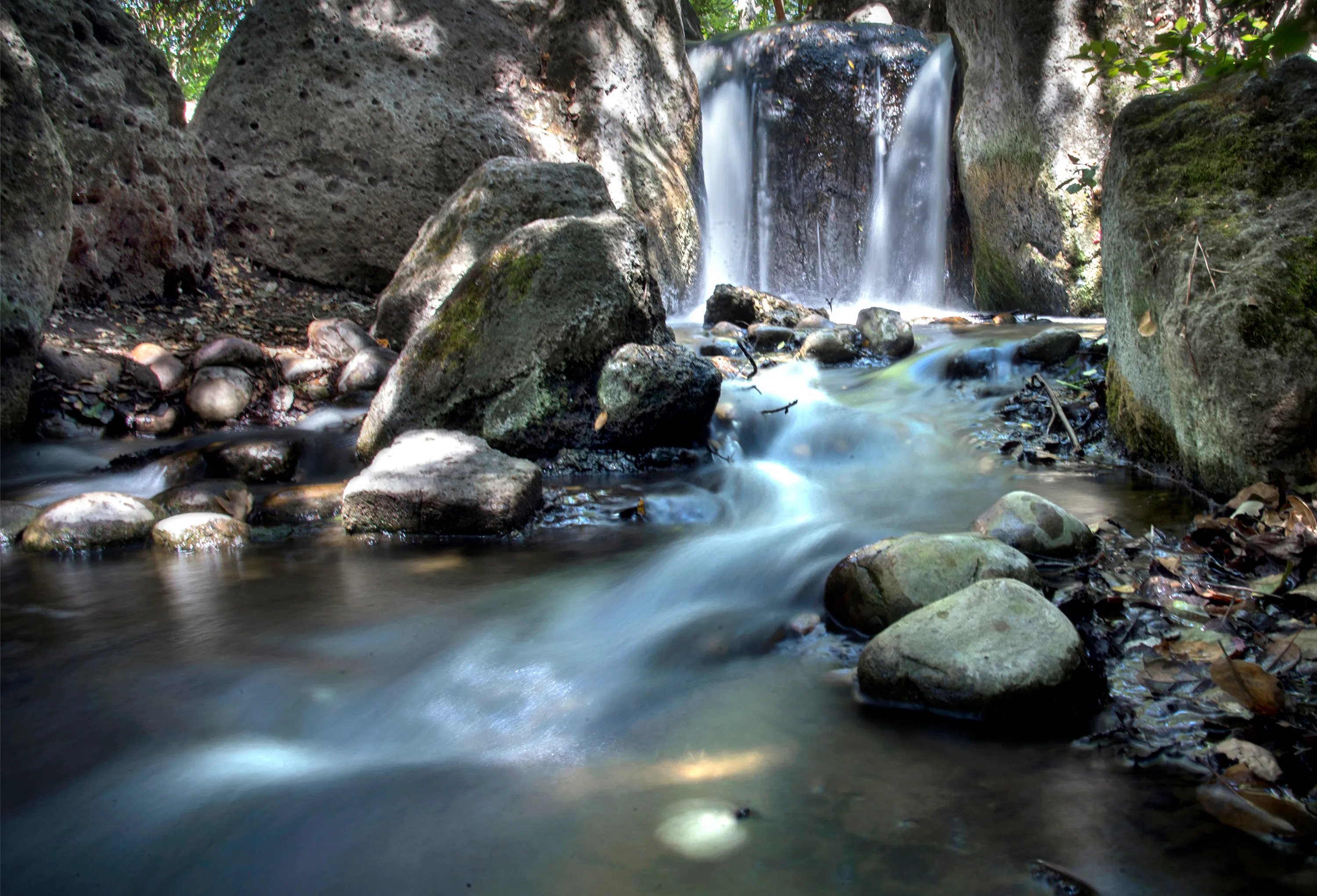
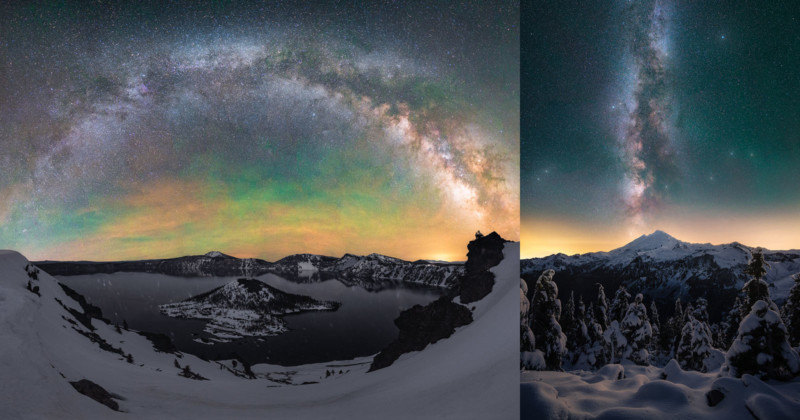
The primary reason to use a tripod is to shoot sharp images at slower shutter speeds. This is beneficial when shooting in low light or when you want to capture long-exposure images.

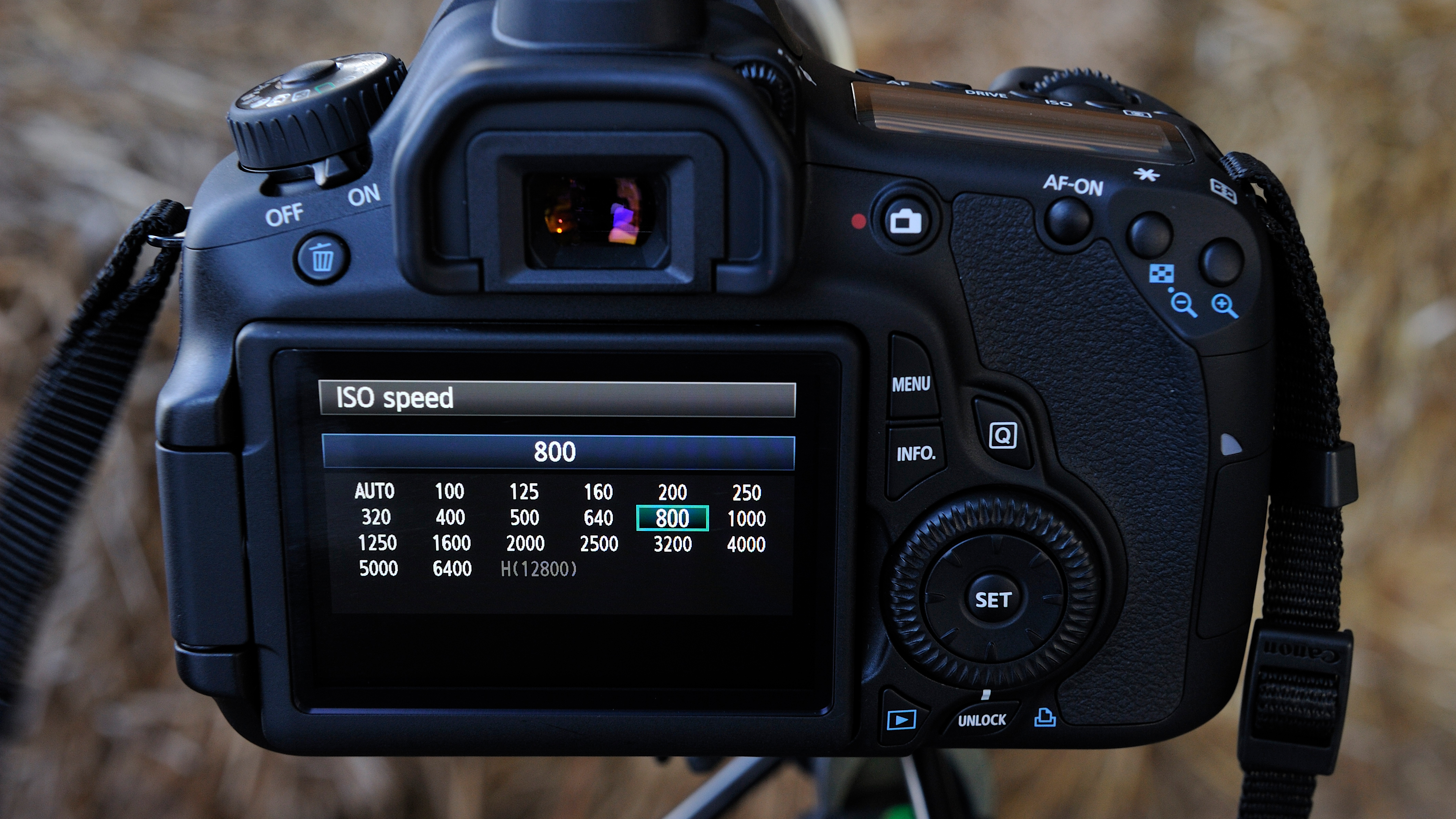
Image stabilization systems, in cameras and lenses alike, have come a long way. However, they aren’t good enough to let you shoot a steady handheld shot at slow shutter speeds, like one second or longer. You can increase your ISO to shoot at a faster shutter speed. However, to achieve the best image quality, you must shoot at low ISO. Read More...


Previous Post

The CRDWALL is a Dynamic Wall-Based Photo Gear Storage System

Next Post

How to Correct White Balance in Photoshop

Comments