The Crisis in Venezuela: Economic Collapse and Mass Migration
-
 Loading...
 - Kevin Sinclair
- 06 Nov 2024
- 50 Views
- 0 Like
- 0 Comment
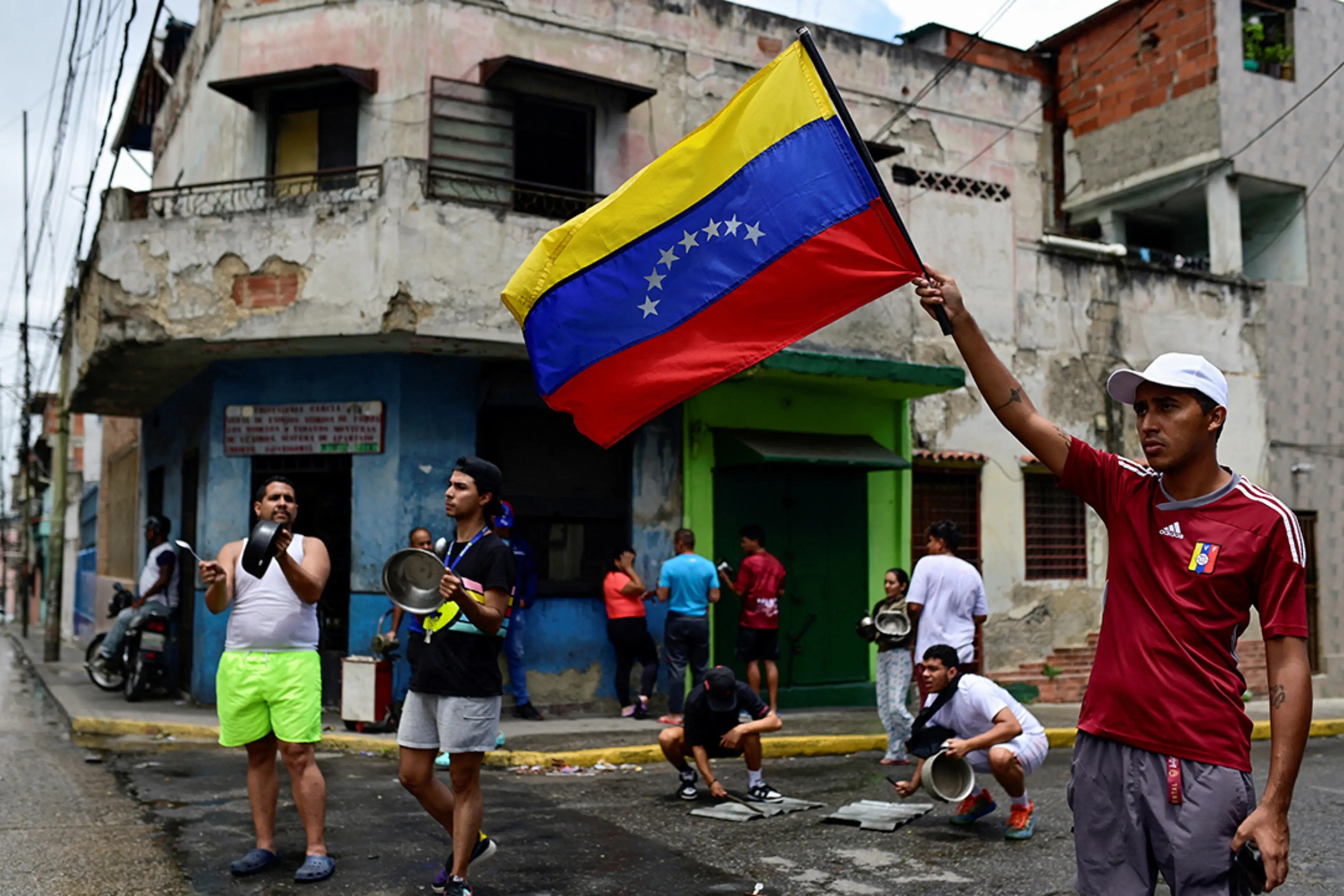
Venezuela’s crisis reflects a combination of economic collapse, mass emigration, and deep political unrest. The country, once a regional powerhouse, now struggles with poverty, social chaos, and political corruption, impacting not only its own citizens but also creating a ripple effect in countries receiving Venezuelan migrants. With millions fleeing harsh conditions, Venezuela’s turmoil has become one of the largest migration crises in the world.
In 1998, Hugo Chávez rose to power, promising to empower Venezuela’s impoverished. Supported by a booming oil market, he spent vast sums on social programs, believing the oil wealth could sustain any expenditure. However, this strategy led to heavy debts, with no diversified economy to support future growth. Known as the “resource curse,” Venezuela’s dependence on oil prevented the development of other industries and weakened the country’s economic foundations.
After Chávez’s death in 2013, Nicolás Maduro took office during a global drop in oil prices, a downturn that devastated Venezuela’s oil-dependent economy. Maduro’s authoritarian approach deepened the crisis as inflation skyrocketed, reaching an unimaginable 300,000%, making life unaffordable for many. By curtailing dissent and ignoring calls for reform, Maduro isolated the government from international allies, contributing to Venezuela’s current predicament.
In July 2023, Venezuela held elections that appeared to demonstrate Maduro’s grip on power. However, the opposition claimed victory for Edmundo González, sparking tension and violence. The opposition presented evidence, including voting machine tallies, indicating González had won by a significant margin. Maduro called in the military to quash the resistance, forcing González into exile and reinforcing Maduro’s rule amid allegations of electoral fraud.
Opposition figures like María Corina Machado have faced threats and intimidation, with many, including Machado, forced into hiding. As a prominent leader, Machado symbolizes hope for many Venezuelans, despite government accusations of terrorism. The crackdown on opposition voices highlights the oppressive atmosphere in Venezuela, where political expression is stifled by arrests and threats.
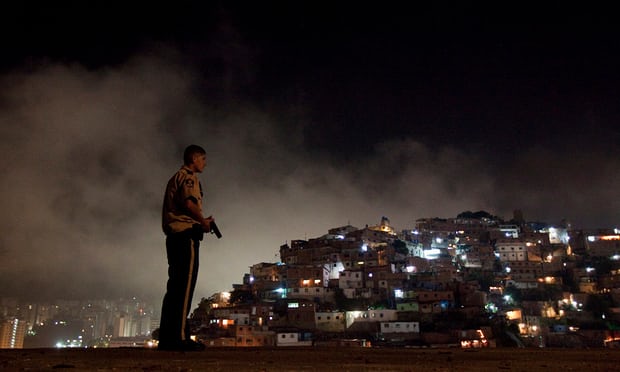
Life in Venezuela is marked by daily hardships. Power outages, food and medicine shortages, and rising crime rates create a challenging environment for ordinary citizens. A government-imposed early start to Christmas in October reflects efforts to boost morale, but many Venezuelans face economic and social obstacles too severe to ignore, with infrastructure continuing to degrade.
Venezuela’s reliance on oil revenue has shaped its economic path, with the Chávez and Maduro administrations both depending on oil funds to finance social programs and political agendas. However, poor management and lack of diversification left Venezuela vulnerable. When oil prices dropped, the effects rippled through the economy, dismantling the limited stability Venezuela once enjoyed and increasing poverty rates dramatically.
Hyperinflation in Venezuela has eroded the national currency and drastically diminished the purchasing power of Venezuelans. Essential items became unaffordable, pushing many into extreme poverty. Citizens now rely on foreign currency for stability, underscoring the impact of an unstable economy that has left millions in a state of financial despair.
Since 2014, over seven million Venezuelans have emigrated, marking one of the largest global migration crises. Many Venezuelans seek refuge in neighboring Colombia, Brazil, and Ecuador, while the United States has become a major destination. Countries hosting Venezuelan migrants face economic and social challenges, while humanitarian organizations strive to provide support.
The Venezuelan diaspora shares stories of resilience, with many escaping political persecution, violence, and extreme poverty. Organizations like Venezuelans and Immigrants Aid (VIA) in New York support recent arrivals, helping them navigate new lives. One woman who fled with her children describes violence from armed groups demanding money, a harrowing reminder of the dangers many face before reaching safety.
Human rights abuses, including torture, wrongful detainment, and extrajudicial actions, are rampant in Venezuela. Armed groups enforce state repression, often targeting families who cannot afford to meet their demands. International organizations have documented these abuses, pressuring for humanitarian interventions to address this escalating crisis.
The U.S. and other nations have imposed sanctions and condemned Venezuela’s government for human rights violations. Efforts include diplomatic pressure, humanitarian aid, and temporary protected status for Venezuelans fleeing to the U.S. However, these measures alone are insufficient to address the deep-seated issues fueling the crisis.s
Venezuela’s future remains uncertain, with prospects for reform and recovery dependent on political change and international cooperation. Though current conditions are grim, increased global attention could lay groundwork for future support. Efforts to rebuild Venezuela will require transparency, economic diversification, and substantial humanitarian assistance.
Countries with similar economic challenges have shown that rebuilding is possible, though difficult. Lessons from nations that recovered after economic collapse suggest that governance reform, coupled with diversified growth, can help stabilize Venezuela. Emphasizing transparency and establishing strong institutions are critical steps for Venezuela to regain stability.
Despite immense challenges, many Venezuelans envision a brighter future. Voices from the diaspora call for unity, resilience, and democratic reform to restore Venezuela’s once-promising status. Organizations continue to amplify these hopes, ensuring that Venezuelan voices remain heard as the world looks on, hoping for the day Venezuela finds its path to peace and stability.