The power of Forbidden Notebook's hidden diary entries

The 1952 novel Forbidden Notebook reveals one woman's interior life with radical honesty. On International Women's Day, Clare Thorp explores how the book – which has just been republished in English – still resonates today, finding new audiences in repressive societies across the globe.
There is always an illicit thrill in reading someone else's diary – even when it's fictionalised. But rarely has uncovering someone's innermost thoughts and desires felt as powerful as in Alba de Céspedes' 1952 novel, Forbidden Notebook. From its opening line – "I was wrong to buy this notebook, very wrong" – the reader knows that what the book's protagonist is sharing with us is somehow dangerous. In this case, a 43-year-old married mother of two living in post-war Italy is, for the first time, daring to express her honest thoughts, feelings and desires – if only to herself, on the pages of a notebook.
If reading her diary entries feels like uncovering a secret, that feeling is only heightened by the fact that the novel itself has been out of print for decades. It has recently been reissued, first in Italy, and now in a new English language translation by Ann Goldstein. Goldstein is best known for translating Elena Ferrante's works, and it was Ferrante who first alerted her to Alba de Céspedes, with the author referencing her in her non-fiction 2003 book Frantumaglia: A Writer's Journey. "She mentions her twice in Frantumaglia actually," says Goldstein. "She has this list of writers who are encouraging, and De Céspedes is one of them." Goldstein then tried to track De Cespedes' work down but struggled to find it. "I was interested in her, but I couldn't find any of her books. It was crazy."
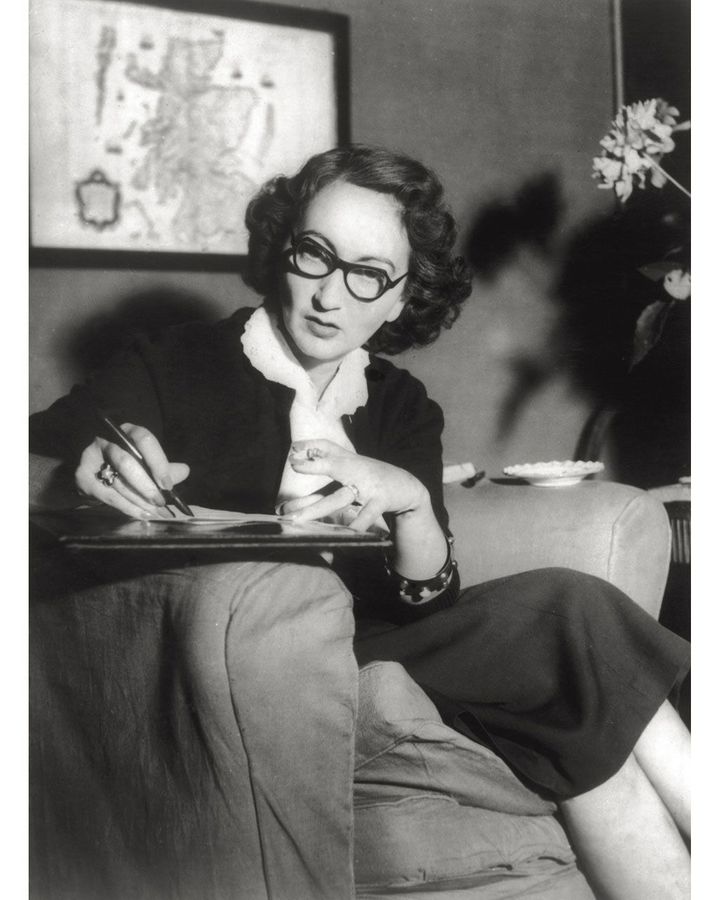
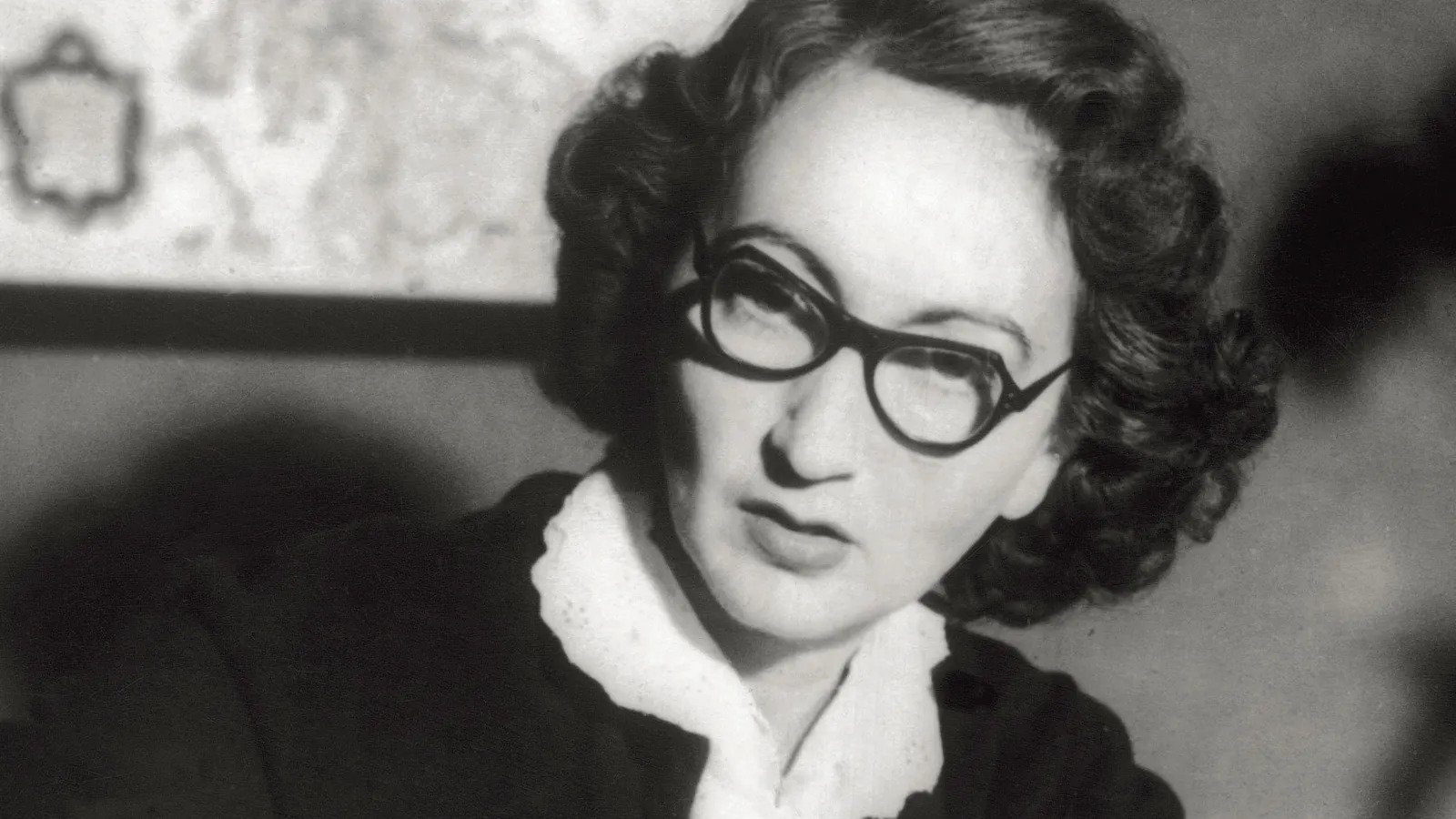
In her day, Alba de Céspedes was one of the most popular authors in Italy, widely read not just in her own country, but many others too. "She was very well known in her day and then just kind of faded to almost obscurity with many other women writers too," says Goldstein. Read More…