This Is How Hyaluronic Acid Interacts With All Your Favorite Skincare Ingredients
-
 Loading...
 - Endre Molnar
- 25 Jul 2022
- 106 Views
- 0 Like
- 0 Comment
Hyaluronic acid is one of the, if not the, buzziest words in skincare. This universally hydrating humectant is capable of binding over 1,000 times its weight in water and is now one of the most notable and sought-after moisturizing ingredients.1
Ever wonder how this popular ingredient mixes with others? We spoke with cosmetic chemist Shuting Hu, aesthetic practitioner Linne Linder, and board-certified dermatologist Shari Sperling, MD, to find out. Read on to learn just how hyaluronic acid works with your favorite skincare ingredients.
01
Retinol
What It Is
Retinol is a powerful ingredient derived from vitamin A that stimulates collagen production and encourages cell turnover.2 "In this family, we have retinol, retinaldehyde, and retinoic acids," explains Linder. "Retinol has to be converted to retinaldehyde then to retinoic acid in the tissue. Retinoic acid is the only retinoid that works to stimulate collagen so conversion is absolutely necessary for the product to work. You can get retinoic acid in a prescription form (Retin-A) and retinols are available over the counter or in medical offices."
Retinol products are widely prescribed by many skincare specialists, dermatologists, and aesthetic practitioners. "Retinol serums can work on the skin in a few different ways, like stimulating collagen production. It will help to prevent wrinkles from forming while filling out any existing fine lines or wrinkles," says Hu. "Retinol serums will also exfoliate dead skin cells to reveal a brighter, smoother skin underneath. They also help to fade dark spots, sun spots, and hyperpigmentation."
How It Works With Hyaluronic Acid
The experts say that retinol and hyaluronic acid work well together, as they balance one another out.
"Retinol and hyaluronic acid are a perfect pair," says Linder. "Hyaluronic acid acts as a buffering mechanism against some of the irritation that the skin can experience with retinoids. You can reap the benefits of retinol without any of the irritating side effects due to the moisturizing boost from hyaluronic acid."
02
Niacinamide
What It Is
Niacinamide is a vitamin B derivative that is water-soluble.3 "Also known as vitamin B3, niacinamide is naturally occurring and essential to healthy skin cell functions," says Hu. "Niacinamide... can effectively clear acne, minimize pores, fade discoloration, and even reduce fine lines and wrinkles. The ingredient is also highly compatible with almost any product in your current skincare routine so you can easily introduce it without the concern of facing a breakout or causing irritation.
How It Works With Hyaluronic Acid
The experts say niacinamide and hyaluronic acid pair well together, and you may just find both as ingredients in your favorite moisturizing products. "Niacinamide and hyaluronic acid are both water-based ingredients that work well together for overall hydrating results, leaving the skin rejuvenated and minimizing the sign of aging and fine lines," says Hu.
03
Vitamin C
:max_bytes(150000):strip_icc():format(webp)/Vitamin-C-Benefits-200-2x3-0745eef675f9469bade3c242e4c7c828.jpg)
What It Is
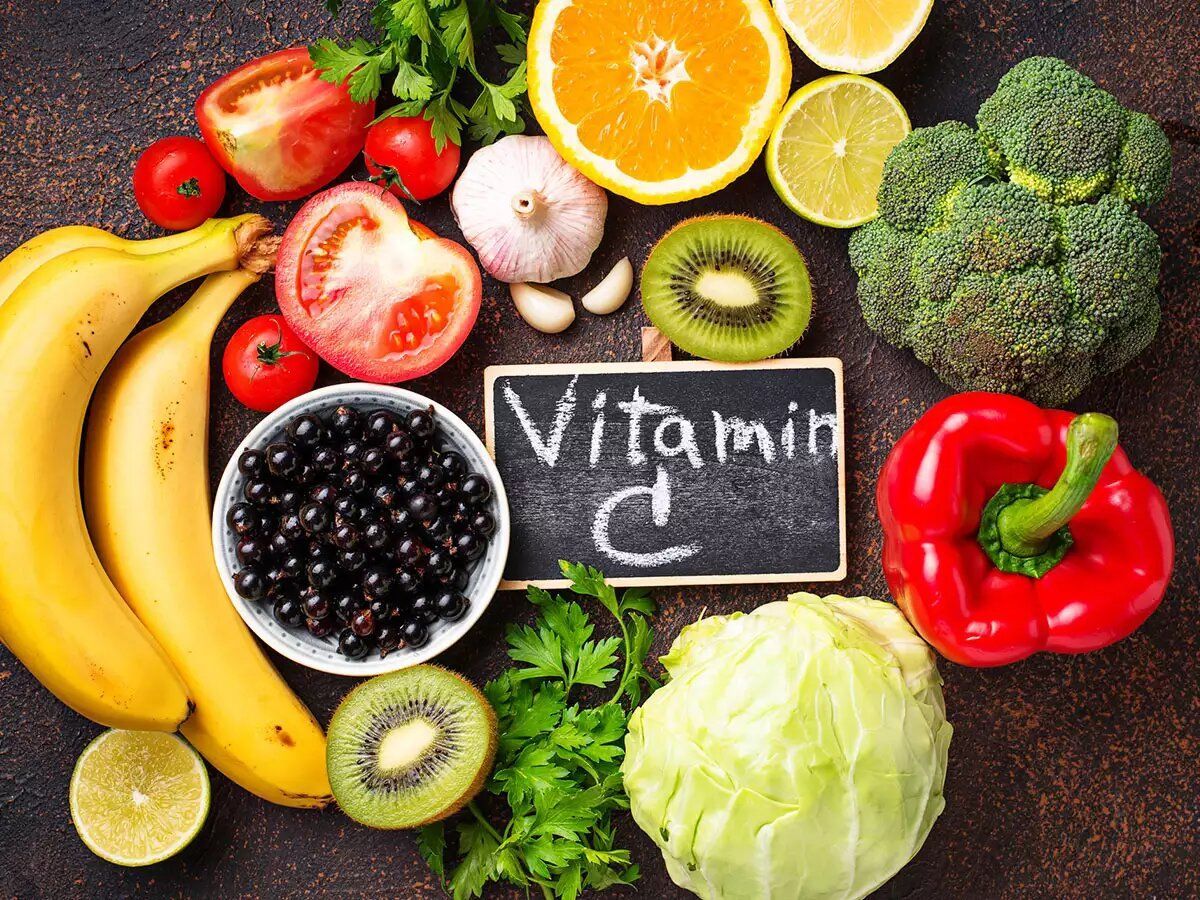
Vitamin C is a powerful antioxidant and essential nutrient that humans do not produce on their own. Vitamin C protects your skin cells from damaging free radicals and encourages skin cell turnover, meaning it generally keeps skin cells healthy and prevents damage from UV exposure.4 That being said, Sperling notes, "it is always important to match your vitamin c products with a good sunscreen."
"Vitamin C is most known for a variety of benefits such as anti-inflammatory effects, stimulating new collagen growth (neocollagenesis), providing powerful antioxidant protection, and inhibiting melanogenesis (darker pigmentation)," says Liner. "Clinical studies have shown vitamin C helps with fine lines and coarse wrinkles, skin texture and tone, and yellowing and discoloration, and improves hydration, elasticity, and skin firmness."
How It Works With Hyaluronic Acid
Vitamin C and hyaluronic acid as a combo can typically have results similar to low-dose retinol. "Vitamin C and hyaluronic acid work together by brightening and hydrating the skin," Hu says. "Together these two ingredients can visibly dissolve wrinkles and improve the skin's texture and appearance. "
04
Salicylic Acid
What It Is
Salicylic Acid is a beta-hydroxy acid that occurs as a natural compound in plants. BHAs are more oil-soluble, which means they can easily break through the skin cells' lipid layers and penetrate the skin at a deeper level than water-soluble products and are anti-inflammatory agents. Salicylic Acid acts as a topical antibacterial agent due to its ability to promote exfoliation.5
"Salicylic acid is most typically found in acne face washes and cleansers or spot treatments," says Hu. "It can deeply penetrate the skin and go beyond just the surface layer; it's a really powerful acne-fighting ingredient." Sperling Adds: "[Salicylic acid] helps removes excess oils from the skin. It also helps treat whiteheads and blackheads while decreasing pore size."
How It Works With Hyaluronic Acid
Hyaluronic acid generally compliments salicylic acid with its hydrating benefits. "Salicylic acid can sometimes make the skin feel dry after use," Hu says. "When paired with hyaluronic acid, the skin can have access to more moisture and seal that moisture in." Read More...