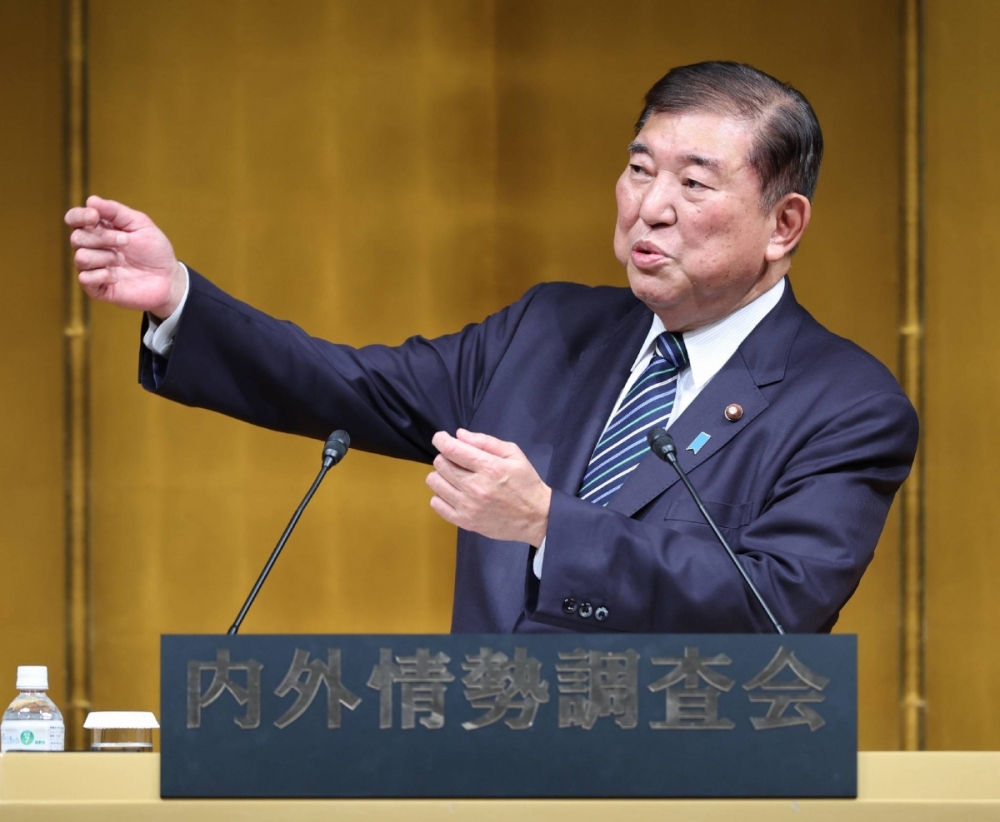
Three Tests Shigeru Ishiba Must Pass to Survive in 2025
-
 Loading...
 - Amina Bakar
- 03 Jan 2025
- 193 Views
- 0 Like
- 0 Comment
Prime Minister Shigeru Ishiba navigated a challenging 2024 after his Liberal Democratic Party (LDP) lost its majority in the October 27 Lower House election. This setback forced him to collaborate with opposition parties to pass a supplementary budget. As he looks ahead to 2025, Ishiba faces three critical tests that will require adept political and diplomatic negotiation skills to maintain his position as prime minister.
1. Securing Cooperation for the 2025 Fiscal Year Budget
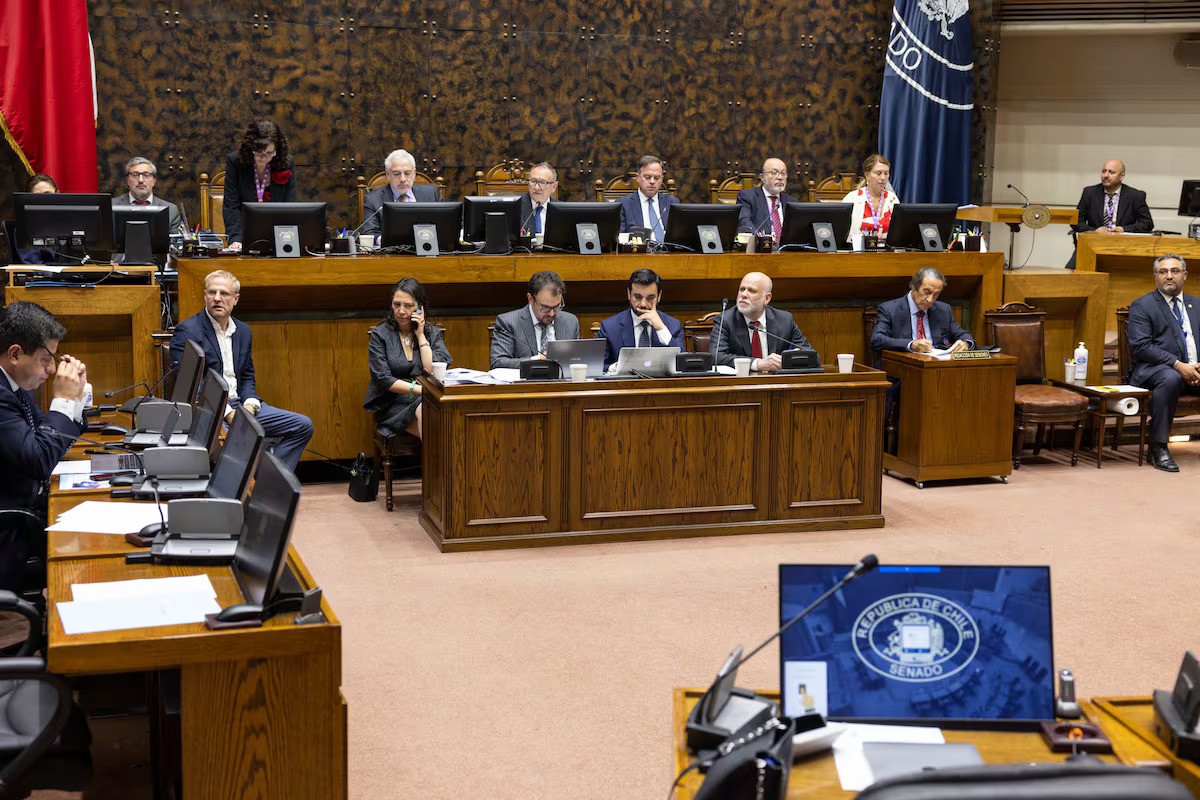
The first test for Ishiba begins with the next session of parliament, expected to open at the end of January. He must secure cooperation from at least one opposition party to ensure the passage of the 2025 fiscal year budget by the end of March. The LDP is currently at odds with the main opposition party, the Constitutional Democratic Party of Japan (CDP), over key issues such as corporate donations to political parties and raising the annual income tax threshold to ¥1.78 million ($11,310). The CDP has threatened to withhold support for the budget if its demands are not met.
To navigate this challenge, Ishiba has initiated discussions with another opposition party, Nippon Ishin no Kai, focusing on their policy of free education. He may offer additional funding for the troubled 2025 Osaka Kansai Expo to gain their support. A recent poll indicated low public interest in the expo, which could lead to voter backlash if it fails financially. By providing guarantees regarding the expo's finances, Ishiba might encourage Nippon Ishin to cooperate on the budget.
2. Managing Relations with the Incoming U.S. Administration
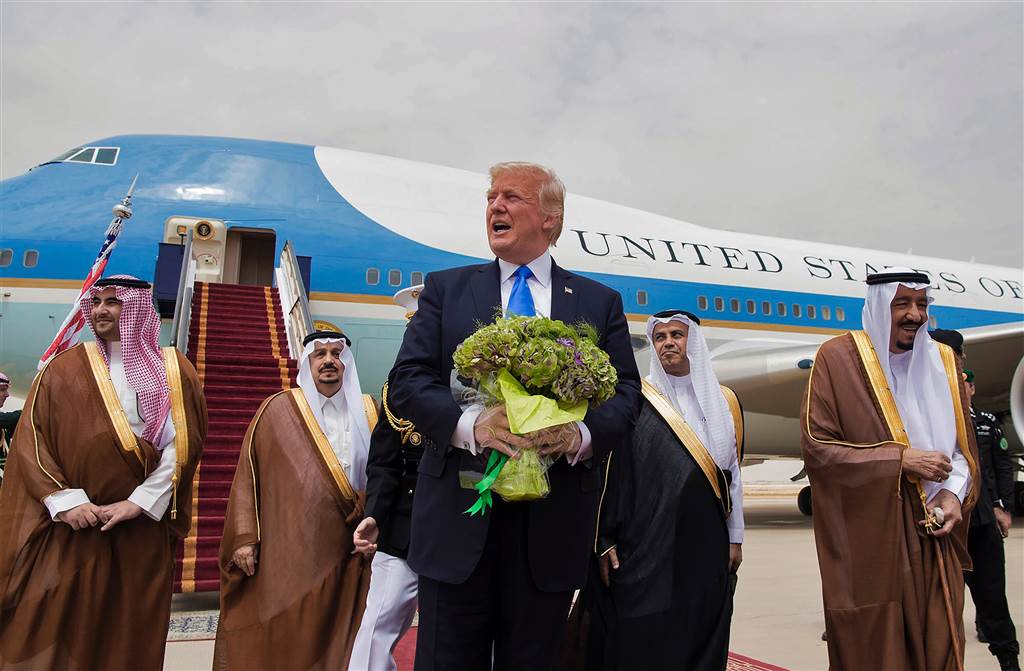
Ishiba's second test involves establishing a productive working relationship with the incoming administration of U.S. President-elect Donald Trump. Poor handling of U.S. demands, particularly regarding Japan's defense budget, could create friction with opposition parties that oppose such increases. Additionally, any missteps in Japan's relationship with Trump could lead to dissent within the LDP, especially among members aligned with the late former Prime Minister Shinzo Abe.
Political analysts suggest that Ishiba should focus on presenting Japan's defense position clearly and confidently, rather than engaging in informal diplomacy, such as playing golf with Trump. Given Trump's business background, Ishiba's ability to articulate Japan's defense needs could strengthen their relationship.
3. Performing Well in the July Upper House Election
The final and most challenging test for Ishiba is the upcoming Upper House election in July. Regardless of the outcome of the fiscal budget discussions, opposition parties will likely aim to unseat the LDP. Ishiba must rally his party and ensure a strong performance in the election to deter potential rivals.
Currently, Ishiba relies on the support of his predecessor, Fumio Kishida, to fend off challenges from within the party. Kishida's backing is crucial for Ishiba's stability, as losing the Upper House majority could leave him vulnerable to rivals like Chief Cabinet Secretary Yoshimasa Hayashi, former economic security minister Sanae Takaichi, or younger party members such as Shinjiro Koizumi and Takayuki Kobayashi.
If the LDP-Komeito coalition fails to secure a majority in the Upper House, it could complicate the party's future leadership dynamics. The LDP is increasingly divided, with factions supporting different leadership styles and policies. The outcome of the election will significantly impact Ishiba's ability to maintain his position and the party's direction.
As 2025 begins, Ishiba's future as prime minister hinges on his ability to navigate these three critical tests. Successfully securing cooperation for the fiscal budget, managing relations with the U.S., and performing well in the Upper House election will be pivotal in determining not only his political survival but also the future of the LDP. With challenges ahead, Ishiba must leverage his political acumen to strengthen his position and unify his party in a time of uncertainty.