PM Hits the Road to an Election with Multi-State Blitz
-
 Loading...
 - Michael Fischer
- 06 Jan 2025
- 160 Views
- 0 Like
- 0 Comment
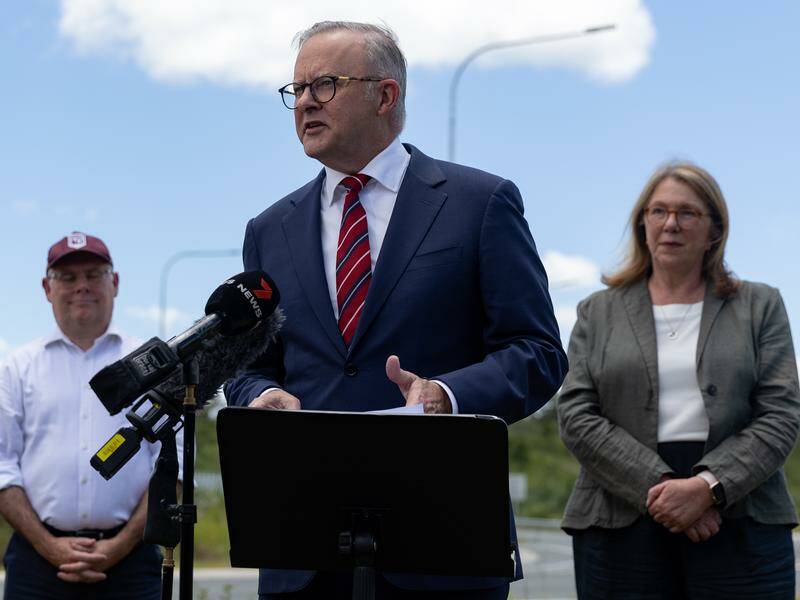
As Australia gears up for the upcoming federal election, Prime Minister Anthony Albanese has launched an election-style tour, giving Australians their first glimpse of the government’s campaign for 2025. Kicking off in the key state of Queensland, Albanese announced a significant investment of $7.2 billion aimed at upgrading the Bruce Highway, a critical infrastructure project that spans 1,600 kilometers and is used by nearly two-thirds of Queenslanders.
The Bruce Highway has gained notoriety for its dangerous conditions, recording over 40 fatalities in 2024 alone, with two additional deaths reported since Wednesday. “Today’s announcement … will save lives,” Albanese stated during his visit to Gympie on Monday. This funding marks the largest single investment by any government to improve the highway, reflecting Labor’s proactive messaging as the election approaches.
“The 2025 election will be a clear choice: Labor building Australia’s future, or a coalition determined to turn Australia backwards,” Albanese asserted, emphasizing the government’s commitment to infrastructure and safety.
The Prime Minister’s tour will take him through far-north Queensland, with plans to target key electorates in the Northern Territory and Western Australia later in the week. The announcement has garnered support from Queensland LNP Premier David Crisafulli, who described the Bruce Highway as a “national embarrassment” and a “death trap.” Crisafulli welcomed the federal government’s commitment to funding, stating, “This is a step towards resuming what should always be the case: that is the federal government carrying the lion’s share of the money.”
However, the funding pledge has faced criticism from federal counterparts, with Senator Susan McDonald labeling it a “farce.” She accused Labor of neglecting Queensland’s regional roads and suggested that the timing of the announcement was politically motivated, given the impending election.
Typically, politicians return to work closer to Australia Day, but with the election due by May 17, both Albanese and Opposition Leader Peter Dutton have remained visible in the lead-up to the campaign. Independent Senator Jacqui Lambie expressed skepticism about the timing of the campaign, stating, “You never see anybody running around campaigning during the Christmas period,” and questioned how this approach would resonate with Australians.
The government’s popularity has been affected by rising costs of living, with a recent Newspoll indicating a drop in two-party-preferred support to 50-50. Queensland is particularly crucial, as several marginal seats are in play. The LNP’s victory in the state election in October has bolstered support for the federal opposition, but recent polling shows both major parties have lost ground in Queensland.
In an effort to regain public support, Albanese is vowing to alleviate pressure on families through investments in health, childcare, and housing. However, the government will need assistance from the Reserve Bank to convince voters, as there are only two opportunities for the central bank to lower the cash rate before the election. Mortgage holders and the government are hopeful that a weaker consumer price index will support the case for an interest rate cut at the Reserve Bank’s first meeting of the year in February.
The consumer price index for November, set to be released on Wednesday, will provide critical insights, but the Reserve Bank typically places greater emphasis on the comprehensive quarterly release due later in January.
As the election campaign heats up, Prime Minister Anthony Albanese’s multi-state blitz highlights the government’s focus on infrastructure and safety, particularly in Queensland. With rising costs of living and shifting public sentiment, the upcoming months will be crucial for both major parties as they vie for voter support in the lead-up to the federal election. The decisions made in the coming weeks, particularly regarding economic policy and public safety, will play a significant role in shaping the political landscape of Australia.