Top 10 neglected books about the Spanish civil war
-
 Loading...
 - Abigail Garcia
- 28 Feb 2023
- 51 Views
- 0 Like
- 0 Comment
A few celebrated names dominate our understanding of this ‘last great cause’, but these novels and memoirs show there is much more to learn
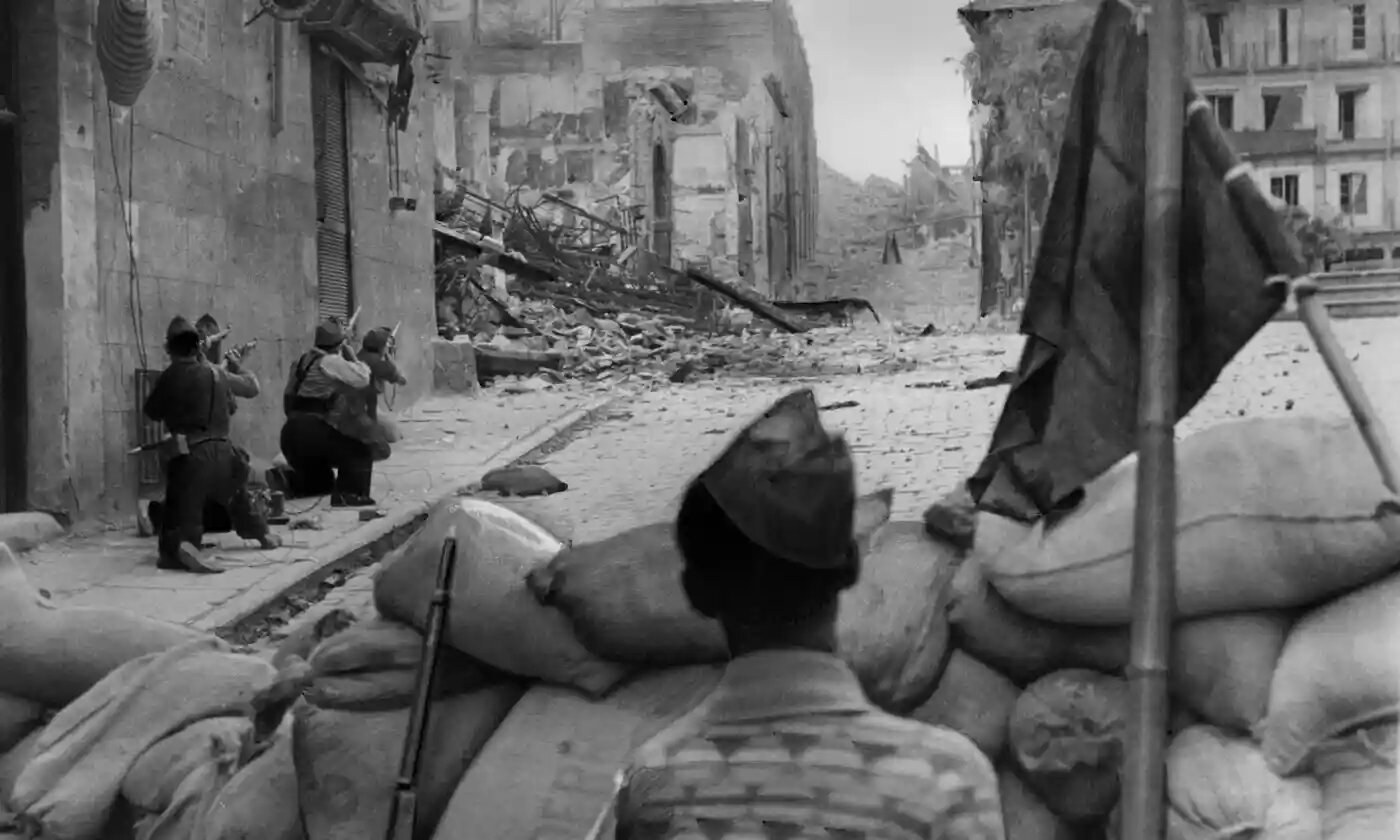
Sometimes a cause arises that seems so clearcut – so right-or-wrong – that we can seize our position with something like relief, because we have found something good and true to believe in, and to fight for. The Spanish civil war, or rather the democratic Republic that was ended by it, is sometimes described as “the last great cause”. Because Hitler and Mussolini supported the military rebels attacking Spain’s elected leftwing government, the war has often been seen as a missed opportunity to face down Europe’s fascist dictators. It became a rallying cry around the world, bringing politics alive for a young generation in the 1930s.
The war famously inspired writers, some of them very famous – George Orwell and Ernest Hemingway dominate the anglophone field. I wrote my book Tomorrow Perhaps the Future in pursuit of individuals who – though not always as male, or white, or famous – turned out to be just as politicised by their times. I wanted to think about the imperative they’d identified of taking sides – a position that felt more relevant than ever over the last few years – but I was also curious about how writers, who surely need seclusion to do their best work, negotiated the clamour of such polarised, crisis-riven times.
In following women who showed their solidarity by going to Spain during the war, I came to wonder, too, how outsiders can offer themselves as allies without drowning out the very people they want to support. No cause is ever as straightforward as we might like to think, and perhaps that is why the Spanish civil war has proved an apparently inexhaustible source of literary inspiration. Here I’ve picked out some fiction and memoir that comes at the war from an unexpected tangent, or explores its legacy, or provides a reminder of just what an incredible range of people had their lives affected by this last great cause.
1. Savage Coast and Mediterranean by Muriel Rukeyser
The 22-year-old American Rukeyser was in Spain for only a few days after the outbreak of war before being evacuated, yet Spain, she later wrote, was the place where “I began to say what I believed”. The results included the modernist novel Savage Coast and an epic poem, Mediterranean. Rukeyser was haunted by the memory of Otto Bloch, an exile from Nazi Germany who joined the Republic’s foreign volunteer force, the International Brigades, and was killed. In Mediterranean, Rukeyser tells of a man who “kept his life straight as a single issue”, which, for me, sums up the dedication (and reduced options) of such people.
2. Soldiers of Salamis by Javier Cercas
This magnificent “true tale” follows a stalled novelist who becomes obsessed in the 1990s with the story of the falangist writer Rafael Sánchez Mazas and his escape from a Republican firing squad, thanks to a Republican soldier who spared his life. It’s a quest through archival scraps and oral history, one that demonstrates how our histories and legends are an accumulation of stories. It may start with Mazas, but the narrator’s encounter with Miralles, a forgotten Republican militiaman who went on to fight fascism in the second world war, forms the heart of the novel – and reminds us that injustices live on in the way different individuals and accounts are memorialised.
3. A Death in Zamora by Ramón Sender Barayón
When the war broke out, the acclaimed writer Ramón Sender left his family to join the Republicans. His wife, Amparo Barayón, headed for her home town of Zamora, expecting to find a refuge there despite the fact that it was in rebel hands. Instead, she was imprisoned and executed. A Death in Zamora narrates Sender Barayón’s attempts to piece together the story of his mother’s fate. Incredibly moving, it deals sensitively with the difficulties of seeking out the truth in communities where victims and perpetrators have long lived side by side and is a powerful reminder that trauma can last for generations. Read More…