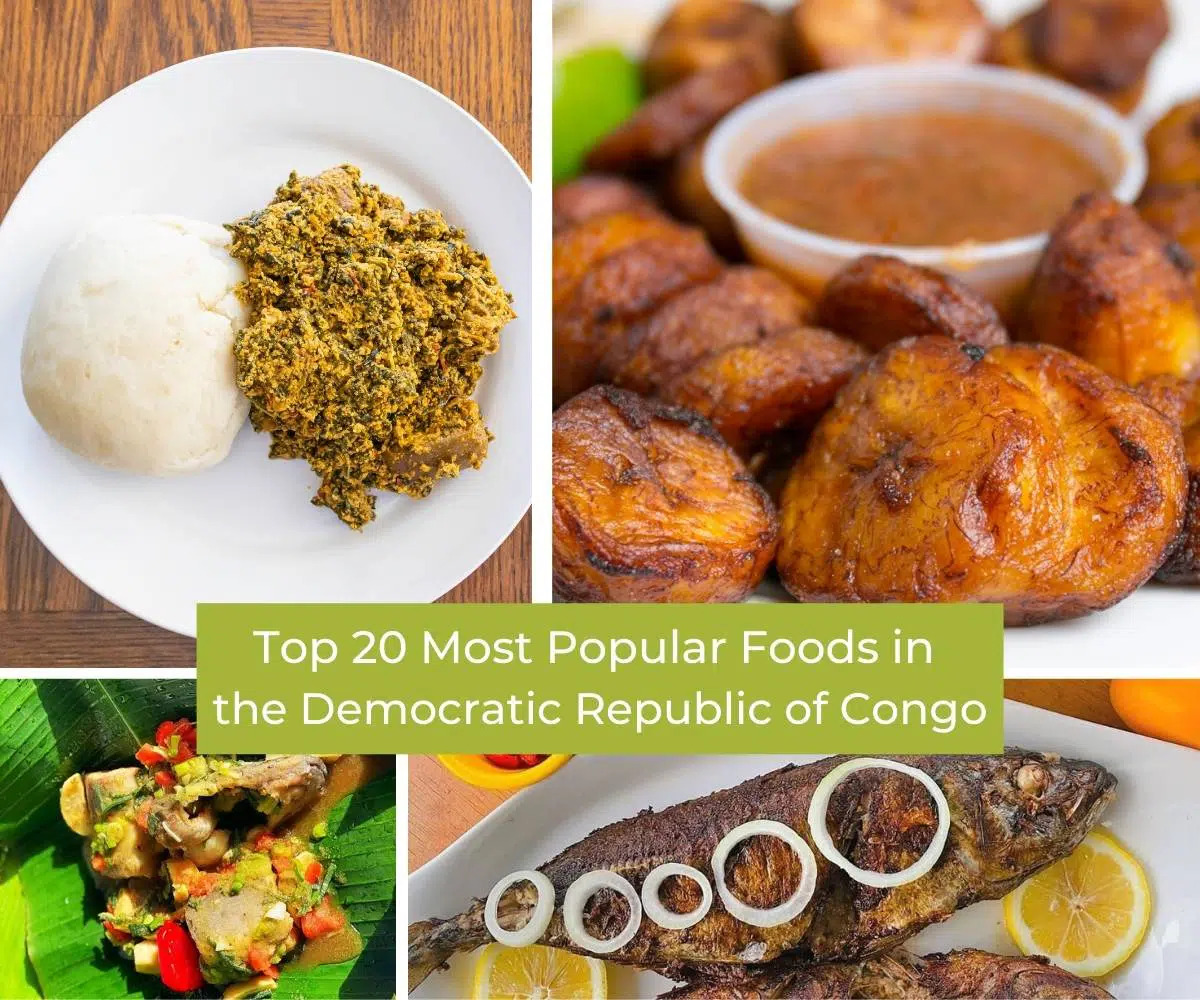
Top 20 Most Popular Foods in Congo
-
 Loading...
 - Roef Olinga
- 25 Aug 2022
- 361 Views
- 0 Like
- 0 Comment
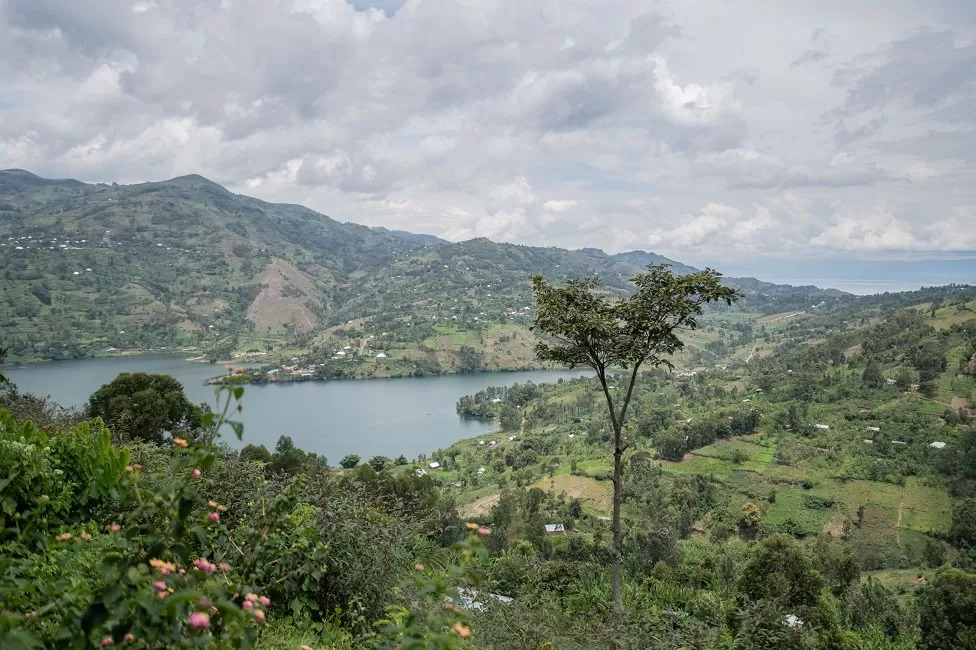
The Democratic Republic of Congo is the second largest country in Africa spanning over 2,345,000 square kilometers.
The national territory is mainly covered by dense equatorial forest; it stretches from the Atlantic coast in the west to the Great Lakes region in the east. There are savannahs in the northeast and south, but also gallery forests, high plateaus, and mountains in the east.
In the heart of the country, we find the central basin, which is very humid with a significant presence of watercourses and swamps.
The forests and savannahs of the country offer an immense variety of species of animals and birds, and the lakes and rivers teem with fish, while the vegetation offers a rich array of vegetables and fruits that is the culinary delight of the nearly 450 ethnic groups in this country of about 100 million inhabitants.
This cultural variety associated with the biodiversity of the country opens up an impressive field of gastronomical possibilities; each region has its native species of plants and animals that locals can cook using their own cultural and historical sensibilities.
Food habits are often linked to the region of origin; fish is a staple food for those living on the rivers, meat-heavy dishes for Congolese living in tropical savannah regions, while those living in wooden topical areas will primarily eat vegetarian food.
It would not be possible to describe all the gastronomical diversity of the DRC in the context of this article, but we will focus on 20 of the most popular dishes.
1. Liboke

It is a dish generally composed of boiled fish with tomato, salt, and chili and wrapped in banana leaves or other wild plants, which will imbue the fish with their aromas. Everything is then put on a grill. Adding other spices, such as garlic and celery, enhances the flavor.
The fish can also be replaced with various other ingredients, like chicken, pork, squash, and many more. It’s all a matter of preference.
2. Pondu
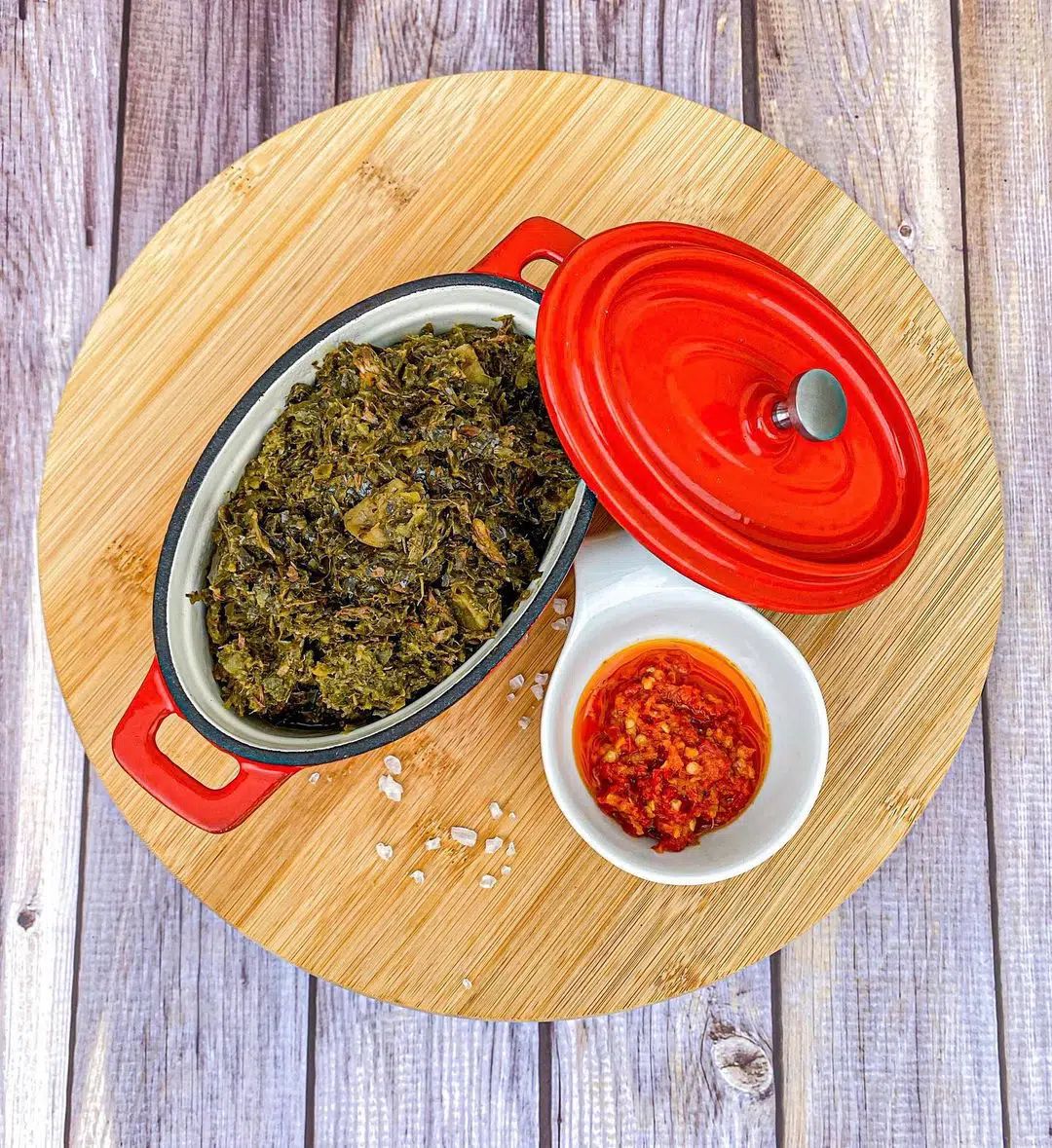
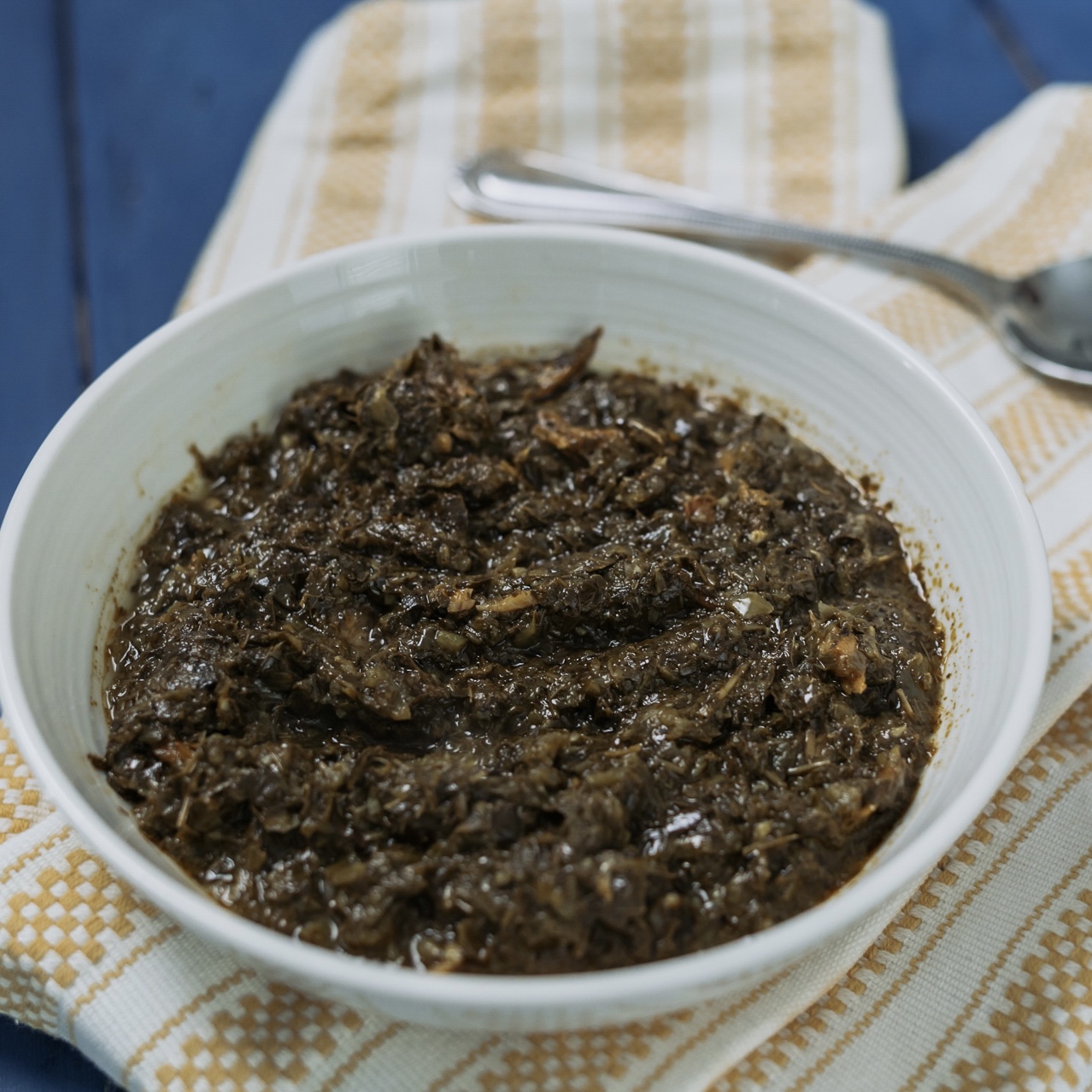
Pondu is one of the most popular dishes throughout the country.
The dish is made using prepared cassava leaves that are cooked in a pot, with or without spices. In the center of the country, for example, pondu is simply cooked with water and a pinch of salt. In other parts of the country, oil—particularly palm oil—and spices are added, as well as onions, eggplants, scallions, etc.
It can be enjoyed with rice as well as fufu or plantains, but this list is not exhaustive. You can also add beef, fish, or beans to the dish.
3. Fufu
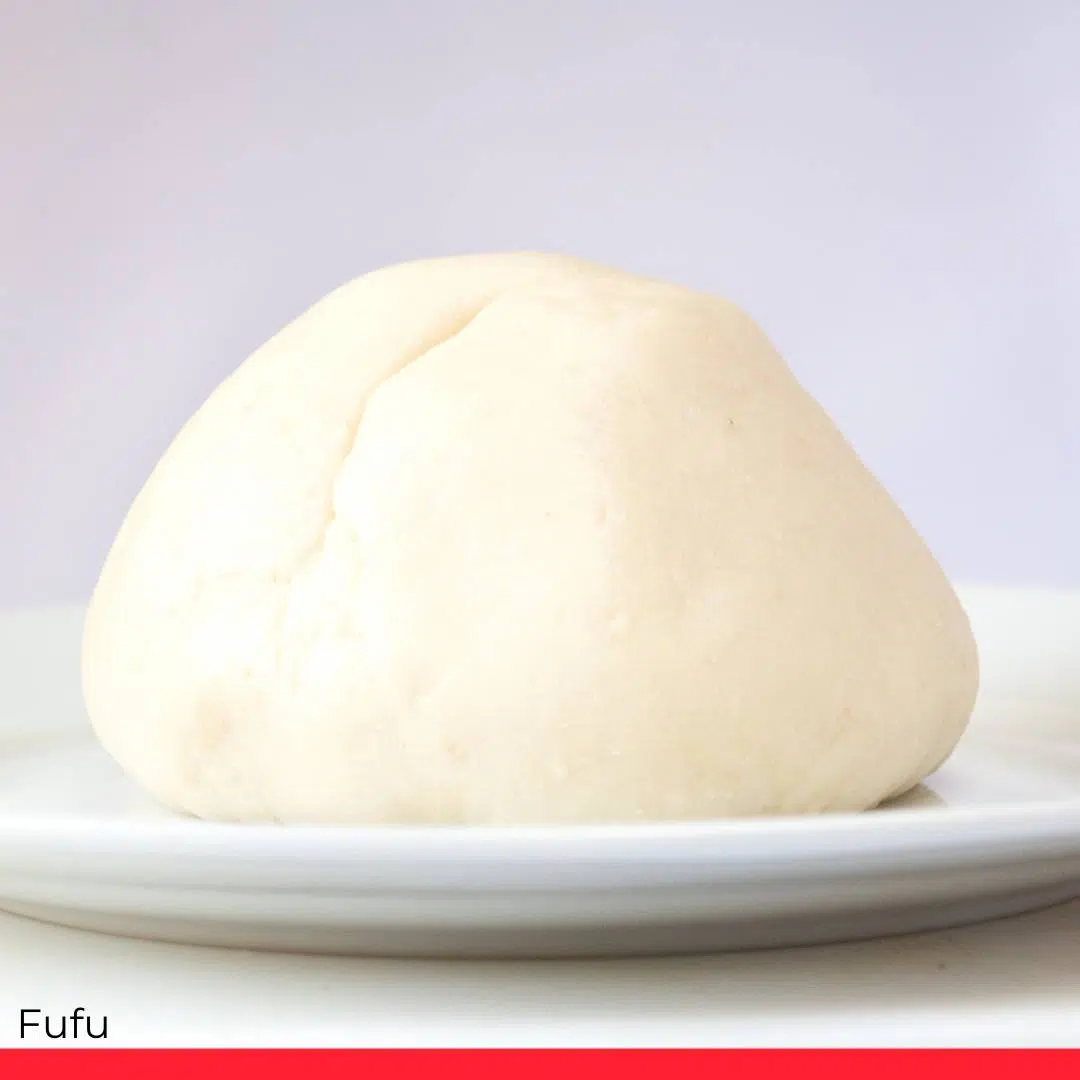
Next to pondu, fufu is one of—if not the—staple food par excellence of the Congo. From north to south, from east to west, fufu is present on all Congolese tables.
There are two main types: corn fufu and cassava fufu.
Corn fufu is made from corn flour mixed with water, which is brought to a boil until cooked through and then simmered over low heat until the dough has solidified; it is served as balls.
Cassava fufu is made by first drying the cassava and then grinding it. Once the flour is obtained, the preparation is almost the same as for corn fufu. Note also that the two flours can be used together.
4. Chikwange (Kwanga)
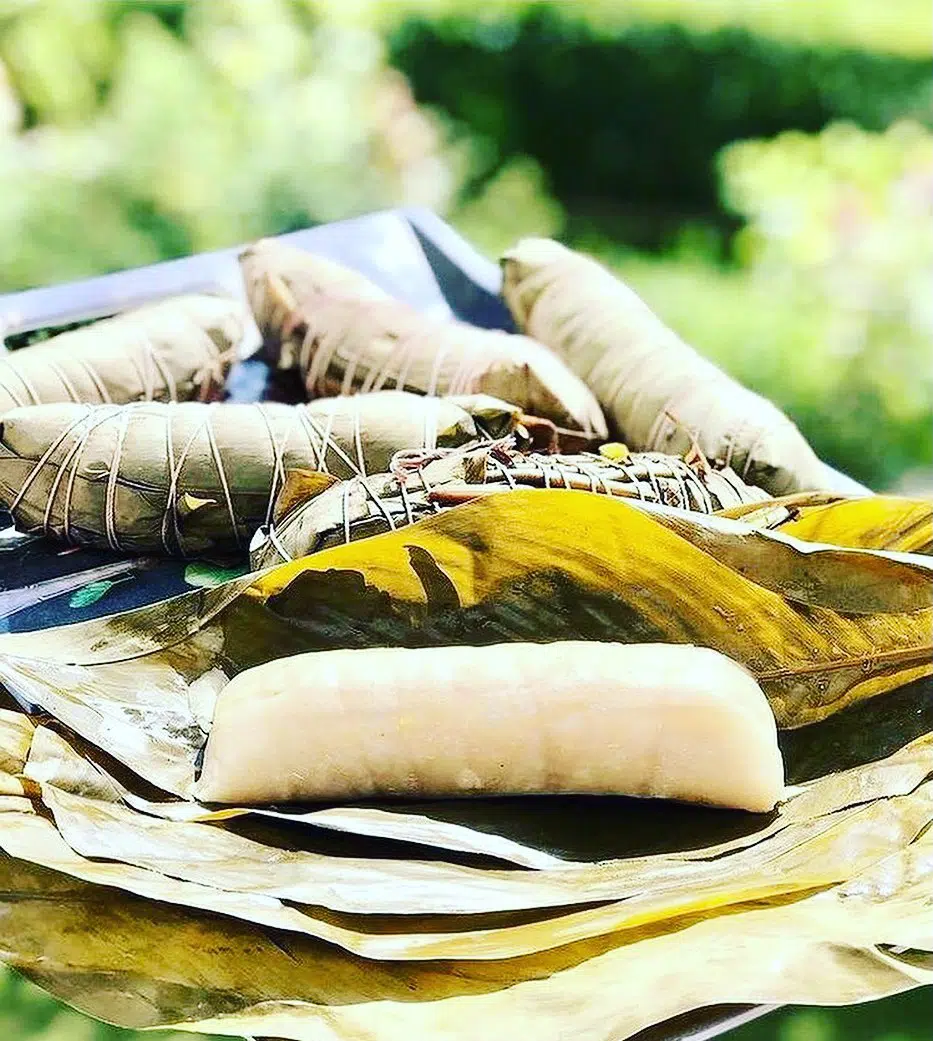
Next to fufu, we find chikwange, which is also made from cassava, but whose preparation is more complex.
Chikwange is usually not prepared at home. Its preparation time is quite long; it may take one to two weeks. You have to soak the cassava in water for several days before preparing it and letting it drain for another two or three days before wrapping it in banana leaves and boiling it for a good hour.
Chikwange goes well with all kinds of vegetables or fish but is also enjoyed outdoors with barbecue and a good beer in the big cities of the Congo.
5. Lituma
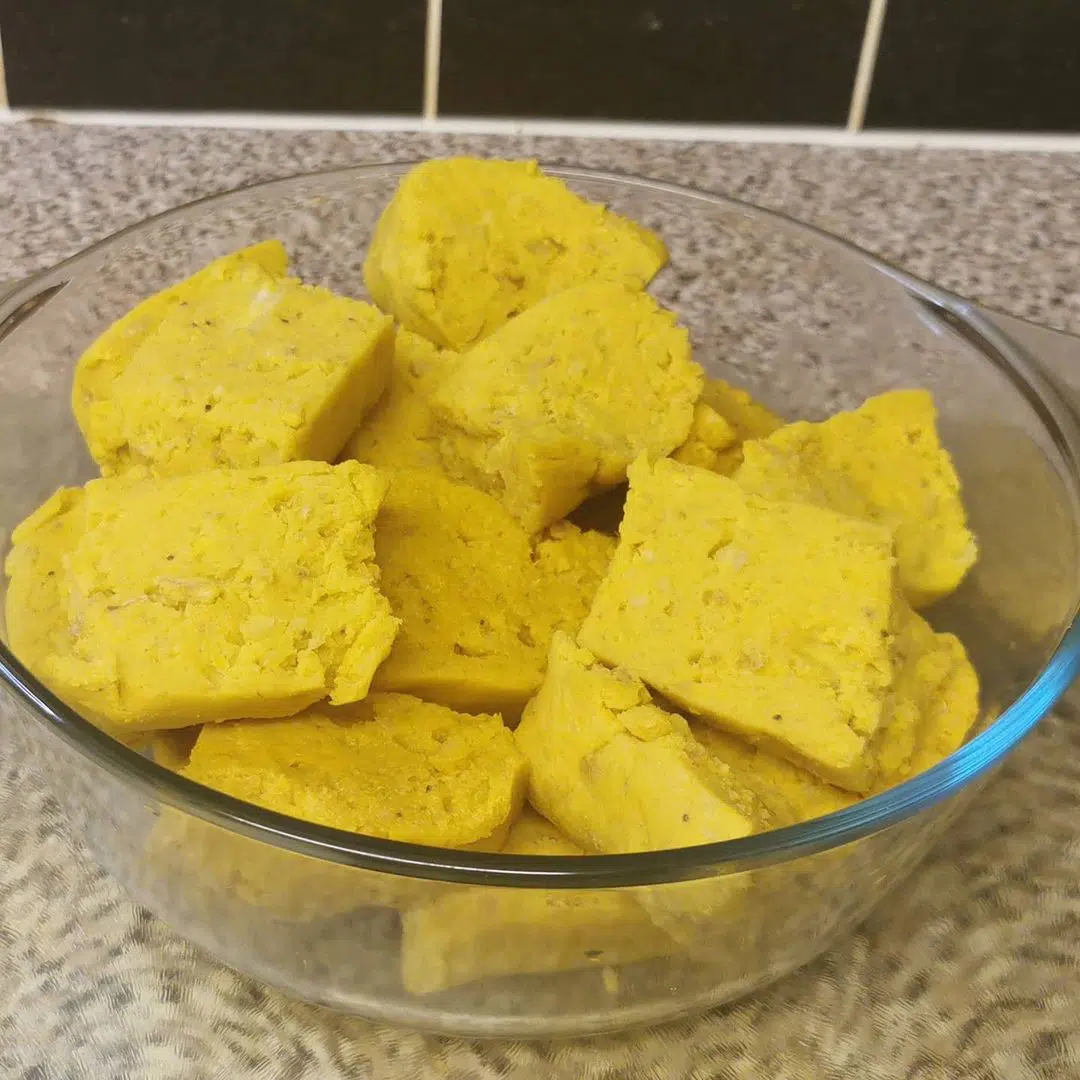
Another popular accompaniment is lituma. It looks like fufu but consists of plantains that are boiled and then peeled and pounded. At this stage, spices can be added to the paste for added flavor. Read More...