U.S. Government launches Caribbean program to protect marine biodiversity
-
 Loading...
 - Murray Barnes
- 04 Oct 2024
- 53 Views
- 0 Like
- 0 Comment
The United States, through the United States Agency for International Development (USAID), has launched the Caribbean Sustainable Ecosystems Program to address the pressing issue of marine biodiversity threats in the Caribbean region. The five-year initiative, launched in recognition of World Tourism Day, aims to build resilience to climate change and support local communities across 13 Caribbean countries.
The program will focus on three key areas: improving marine protected area management, enhancing solid waste management, and promoting sustainable fisheries. By addressing these critical issues, the program seeks to safeguard the region's marine resources, which are vital to its $39,000 million tourism industry and local livelihoods.
USAID Acting Director Robert Clink emphasized the importance of involving the private sector, particularly tourism stakeholders, in the program. The program will leverage the commercial interests and corporate social responsibility of companies like Royal Caribbean Group, Sandals, and Viva Resorts by Wyndham to reduce environmental impacts and ensure the long-term health of marine ecosystems.
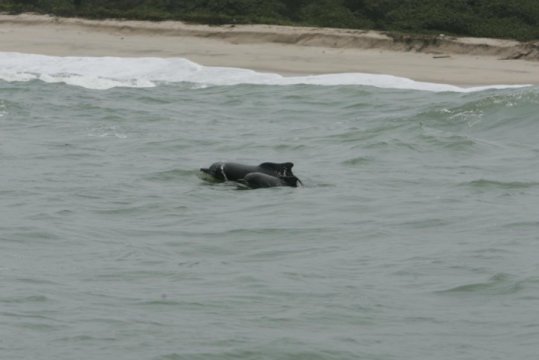
The program will be implemented by the Pan American Development Foundation (PADF) in collaboration with regional organizations. Some of the key activities under the program include designating protected areas for marine mammals and sea turtles, improving waste management systems, and supporting local fishermen to align with tourism procurement standards.
By taking a comprehensive approach to addressing marine biodiversity threats, the Caribbean Sustainable Ecosystems Program aims to promote sustainable ecosystem management and strengthen marine conservation in the region. This initiative is a significant step towards protecting the Caribbean's rich marine resources and supporting the livelihoods of local communities that depend on them.