Uganda turns to bamboo farming to combat deforestation
-
 Loading...
 - Ruby Omary
- 05 May 2023
- 72 Views
- 0 Like
- 0 Comment
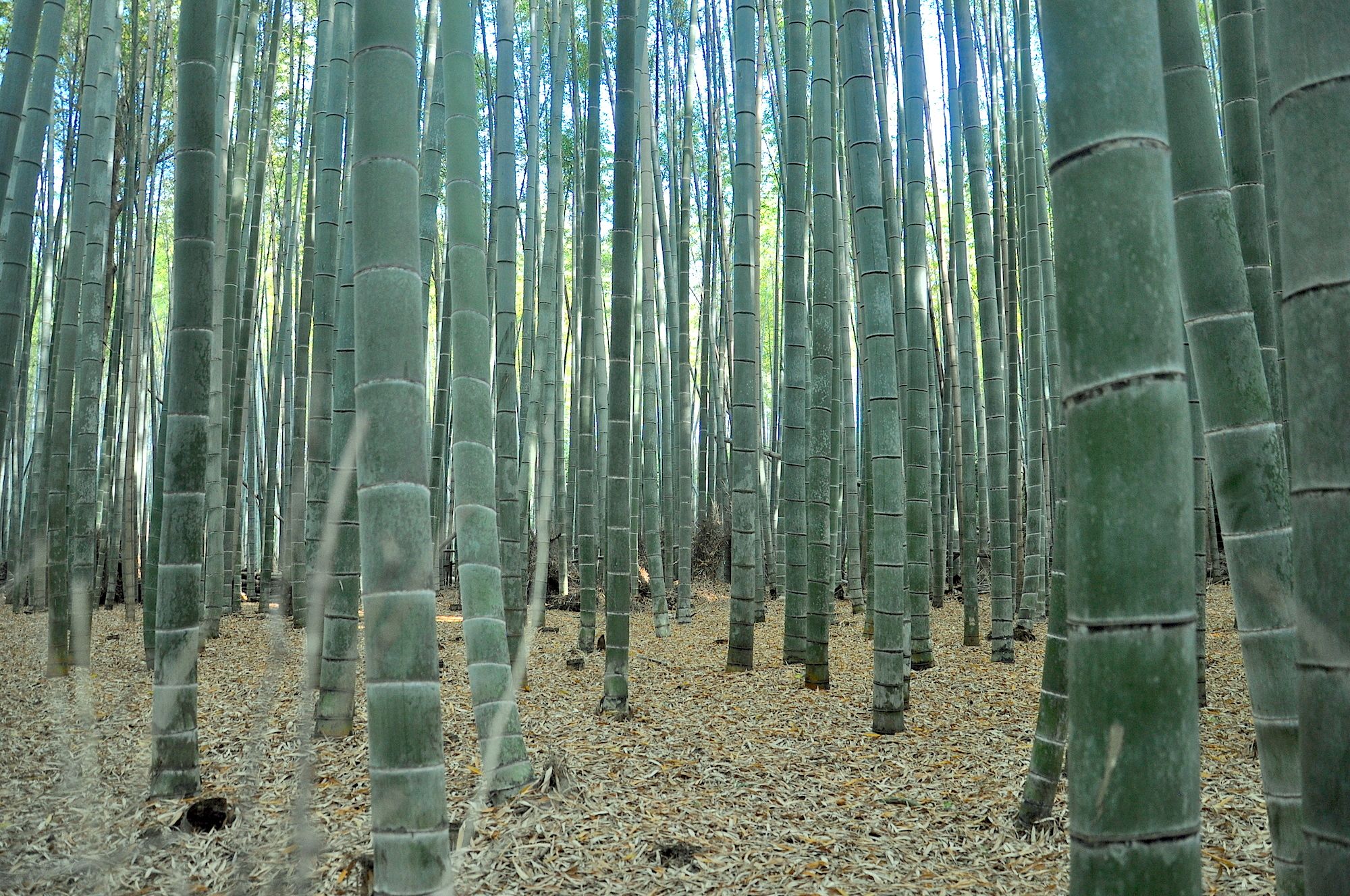
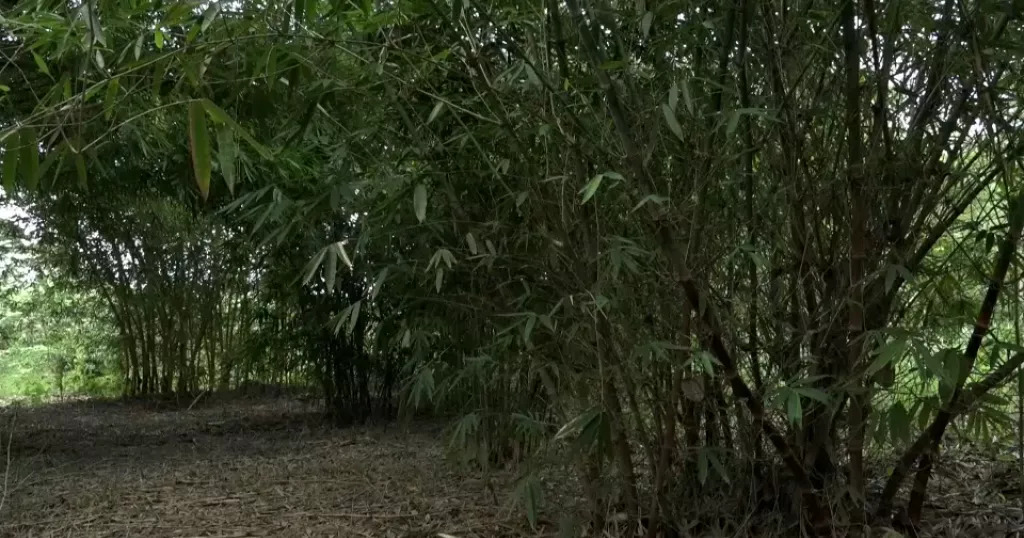
Some 65 kilometers north of the Ugandan capital Kampala, a lush green bamboo forest, it's the brainchild of former journalist-turned farmer, Andrew Ndawula Kalema.
Kalema switched from journalism to bamboo farming in order to contribute to the reversal of environmental damage being seen in the East African country.
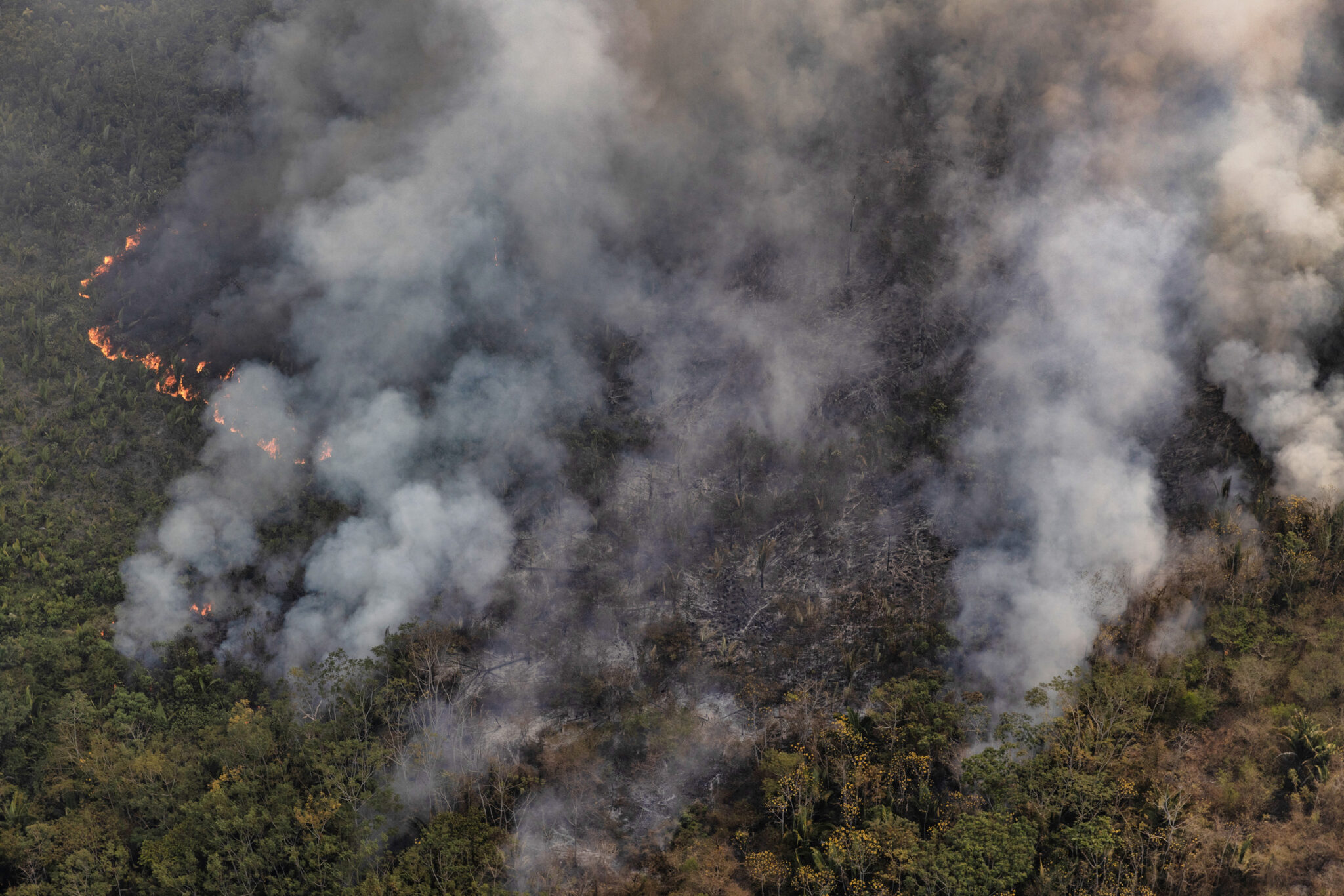
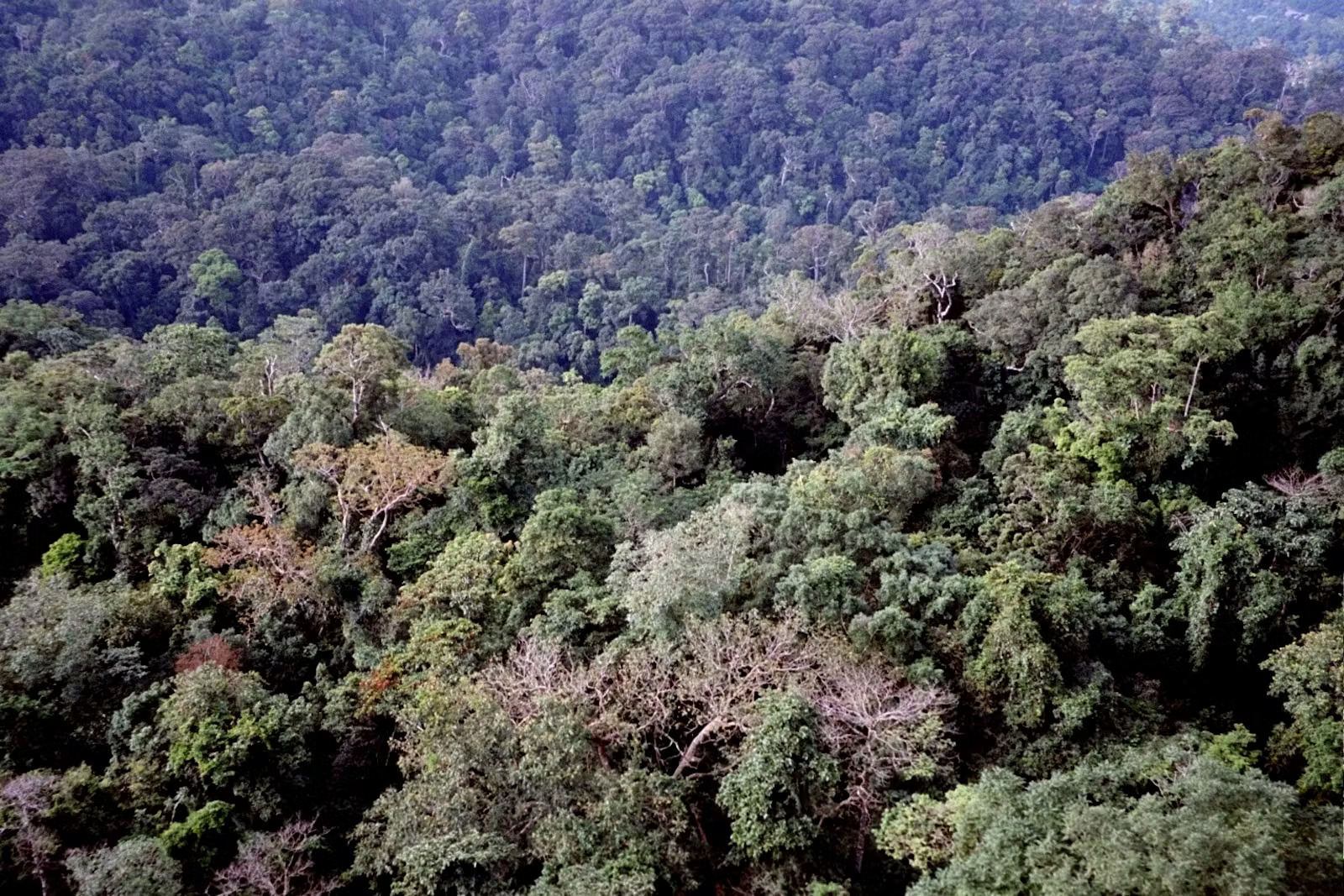
In 2010, Uganda had 6.93 million hectares of tree cover, extending over 29% of its land area.
In 2021, it lost 49,000 hectares of tree cover, equivalent to 23.5 million tonnes of carbon dioxide emissions.
According to the International Monetary Fund (IMF), the East African country has lost over a million hectares of tree cover, nearly a third of the country’s total.
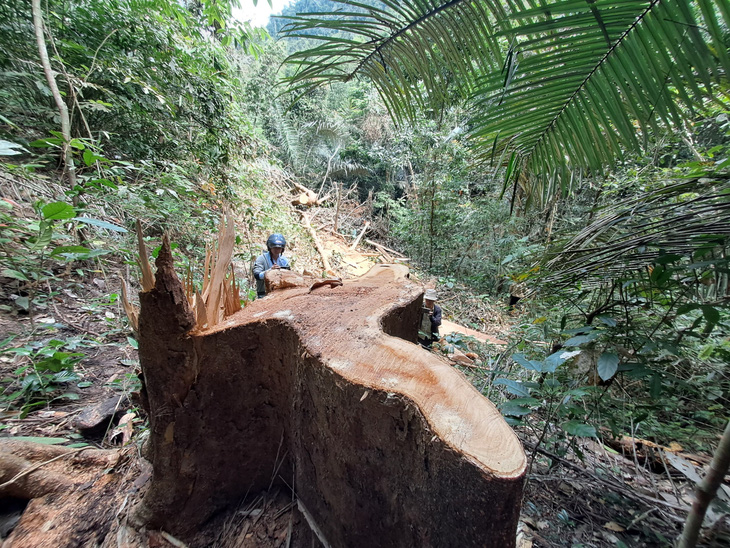
With Uganda losing hundreds of hectares of forest cover due to population pressure and illegal logging, both public and individual efforts have become key to restoring degraded land.
Ndawula Kalema says bamboo, which is fast-growing and can adapt to different weather conditions, is key to mitigating the effects of climate change in Uganda.
“It can do the job of restoring our environment much faster. It can absorb 30% more carbon dioxide and generate 30% more oxygen and it can create the green effect very fast and it will take pressure off our precious trees," he says.
"Bamboo, you cut it down, it takes one season, it is back, it grows back, so it is a magic bullet of sorts that we need to use in our fight to save our environment.”
In recent years, Ndawula Kalema has been upgrading his bamboo farm, which he started in 2009 as a hobby.
Growing bamboo on farmers’ fields was something unheard of a few years ago, as the plant was mainly seen growing in the wild.
That's no longer the case, as increasing numbers of farmers adopt bamboo planting, due to its income-generating benefits. Read More…