Uganda uses bamboo forest to fight deforestation
-
 Loading...
 - Aailyah Ally
- 18 Sep 2024
- 45 Views
- 0 Like
- 0 Comment
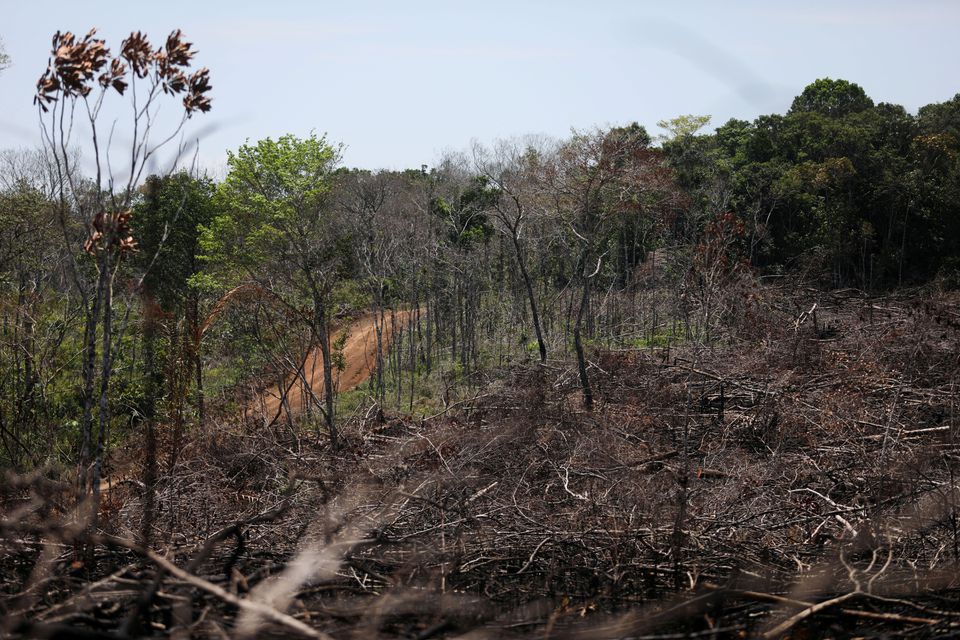
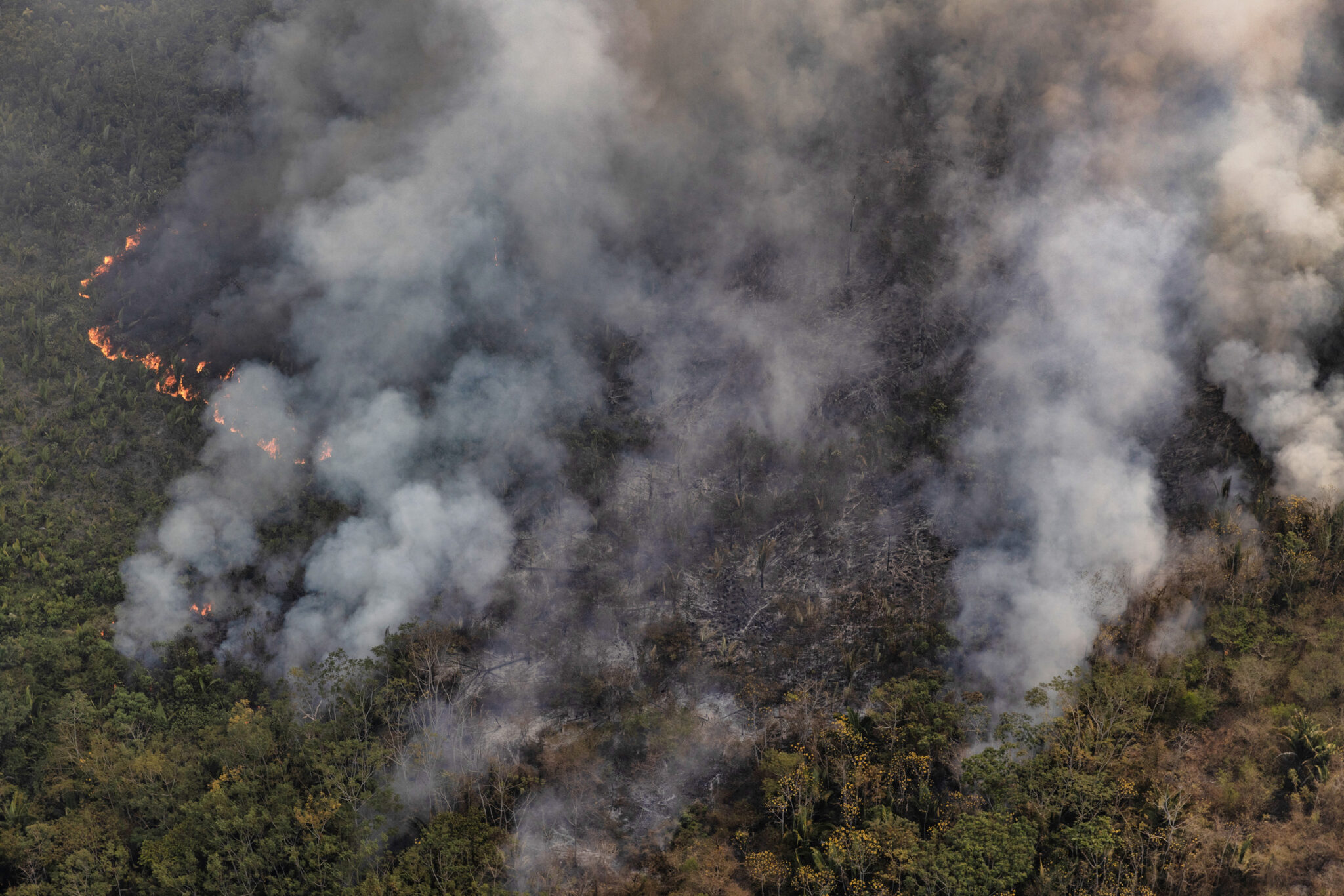
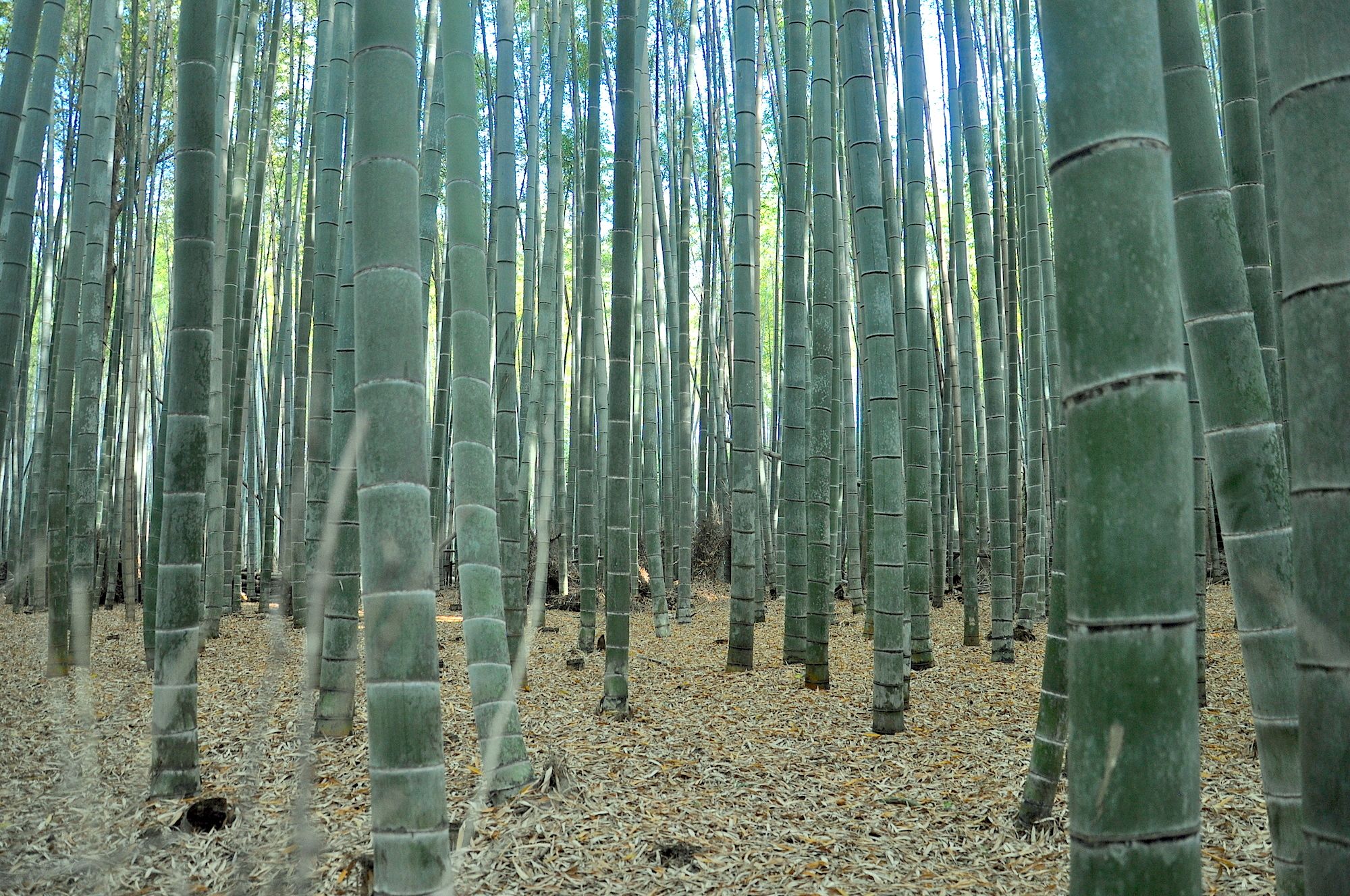
Uganda is increasingly turning to bamboo farming to combat deforestation, with farmers like Andrew Ndawula Kalema leading the charge. Located 65 kilometers north of Kampala, Kalema’s bamboo forest is a response to the severe environmental damage caused by deforestation. Uganda lost 49,000 hectares of tree cover in 2021, equivalent to 23.5 million tonnes of carbon dioxide emissions, and nearly a third of the country’s total forest cover has disappeared in recent decades.
Kalema believes bamboo, a fast-growing and adaptable plant, is key to restoring the environment. It absorbs 30% more carbon dioxide and generates 30% more oxygen than other plants. Additionally, bamboo regenerates quickly, making it an ideal alternative to traditional trees.
Bamboo farming, which was once uncommon in Uganda, has gained traction due to its environmental and income-generating benefits. However, the high cost of bamboo seedlings—ranging from $1 to $10 each—poses a challenge for many farmers to adopt bamboo farming. Kalema has opened his farm to students to spread awareness and knowledge, hoping to encourage more people to plant bamboo.
Students like Julius Ssebigajju and Elizabeth Kiwummulo have learned about bamboo's benefits, including soil conservation and its versatility for products like herbal soap. Bamboo's strength also makes it suitable for high-value products, such as bicycle frames, which can sell for $500 each. While Uganda's bamboo industry is still developing, Kalema believes expanding bamboo cultivation is crucial for environmental restoration and economic growth.