Ugandan artist uses paintings to highlight stigma on people with vitiligo
-
 Loading...
 - Chris Birungi
- 08 Oct 2024
- 48 Views
- 0 Like
- 0 Comment
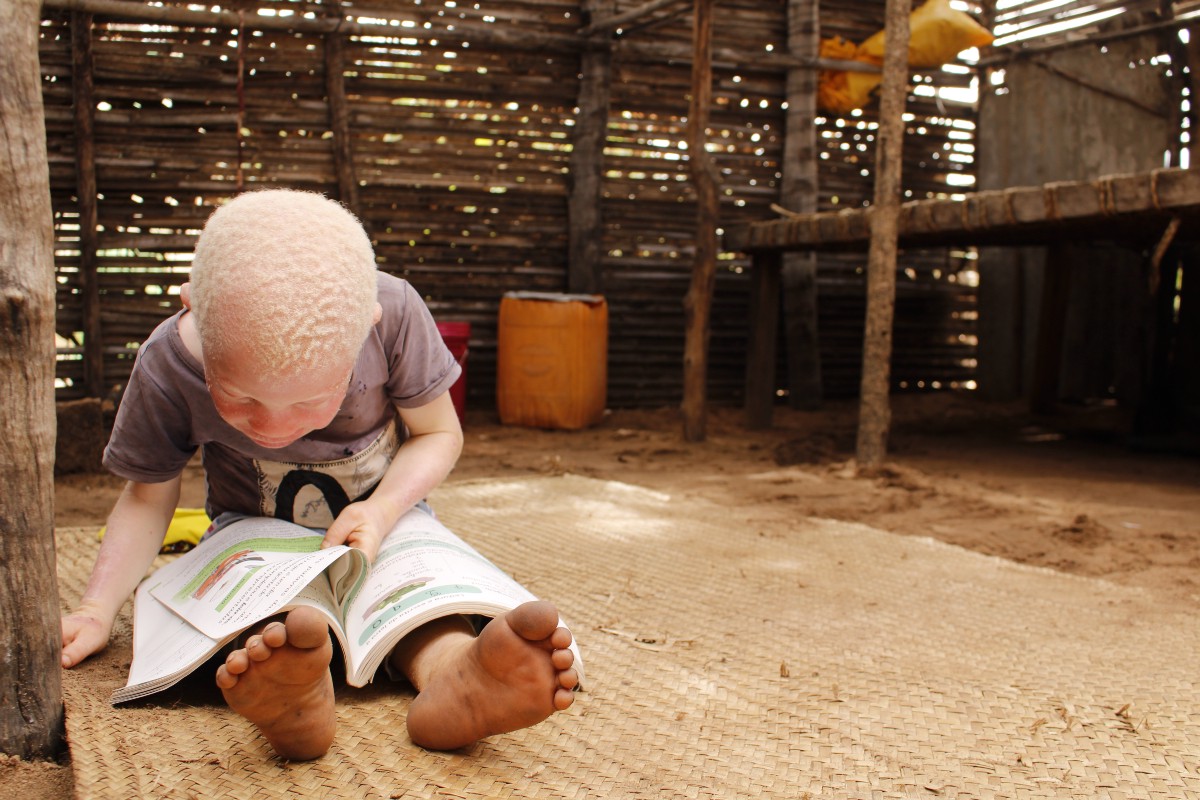
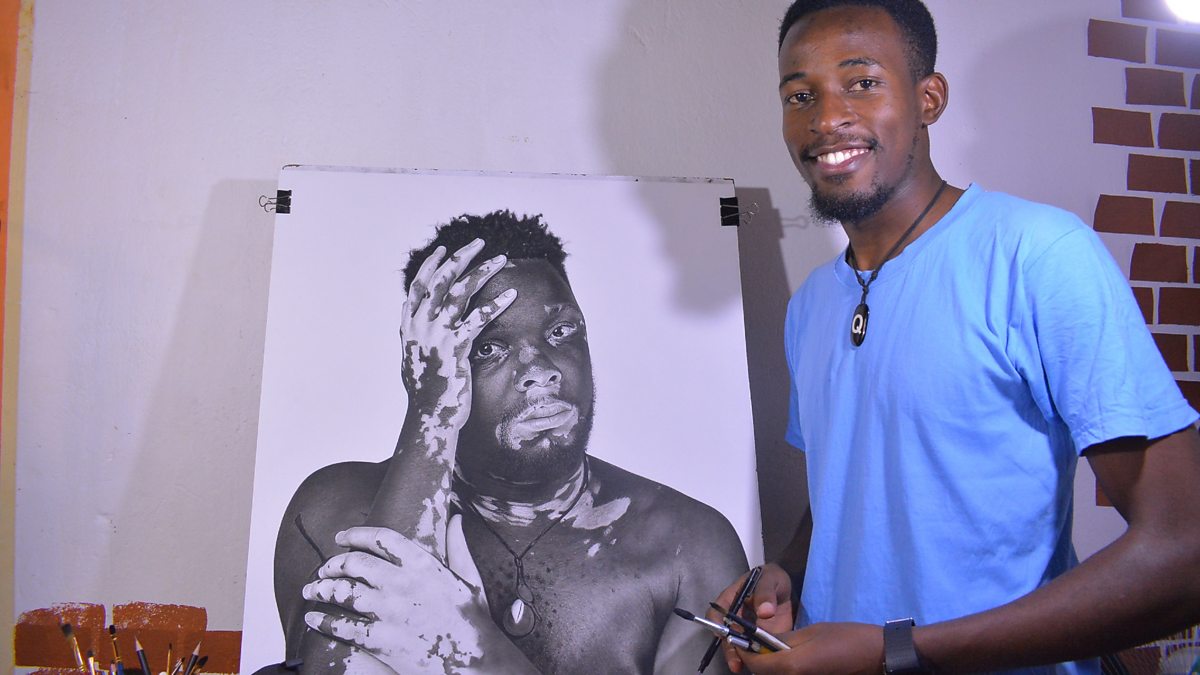
Ugandan artist Martin Senkubuge is using his artistic talents to raise awareness about vitiligo, a skin condition that causes the development of white patches due to the lack of melanin. Working from his small art studio on the outskirts of Kampala, Senkubuge creates striking charcoal-based portraits, many of which depict individuals living with the condition. His goal is to shine a light on the stigma that surrounds vitiligo in Uganda, where people with the disorder often face social isolation and superstitious discrimination.
Vitiligo is an autoimmune disorder that affects the skin, resulting in noticeable white patches, particularly on the face and limbs, which can be deeply disfiguring for some. Senkubuge learned about the condition while studying for his art degree, and since then, he has been using his work to help educate others and combat the harmful stigmas associated with it.
One of the central themes in Senkubuge's work is the emotional toll vitiligo can take on individuals. Many people with the condition avoid social situations, remain isolated, and sometimes even fall into depression due to societal rejection. Senkubuge recalls a heartbreaking story of a man who hadn’t looked at himself in a mirror for 23 years because of the things he had been told about his condition. "He is a father, with a beautiful young daughter, but he couldn't bear to look at himself," Senkubuge said, highlighting the emotional impact of the stigma.
Senkubuge’s first portrait in this series, titled Vitiligo King, holds special significance to him. The piece represents strength and courage, showcasing how someone with vitiligo can share their story without hiding their body. Initially, his focus was to create these portraits for people living with vitiligo, but after hearing their powerful stories, he now wants to educate the wider public and change perceptions of the condition.
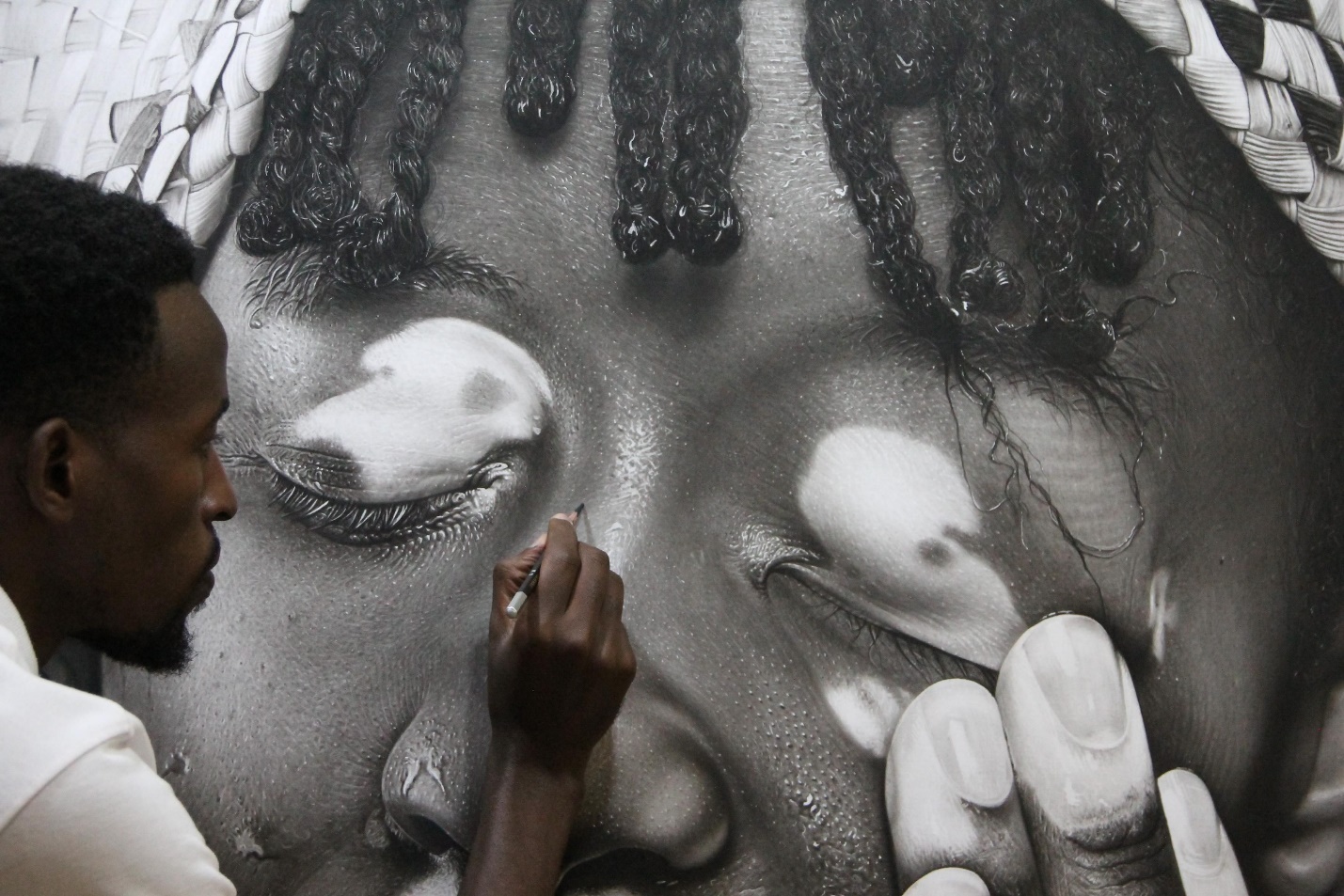
Eva Atukunda, a model for Senkubuge's collection, shares her own experience of being stigmatized due to vitiligo, which she developed after suffering from malaria at just ten years old. Atukunda and others, through the Vitiligo Association of Uganda, are working to change public perceptions and promote a deeper understanding of the condition. For them, raising awareness is key to shifting the societal response to vitiligo and ensuring that those affected can live without shame or isolation.