Unanimous Supreme Court gives transgender woman from Guatemala new chance to fight deportation
-
 Loading...
 - Lotta Koskinen
- 12 May 2023
- 70 Views
- 0 Like
- 0 Comment
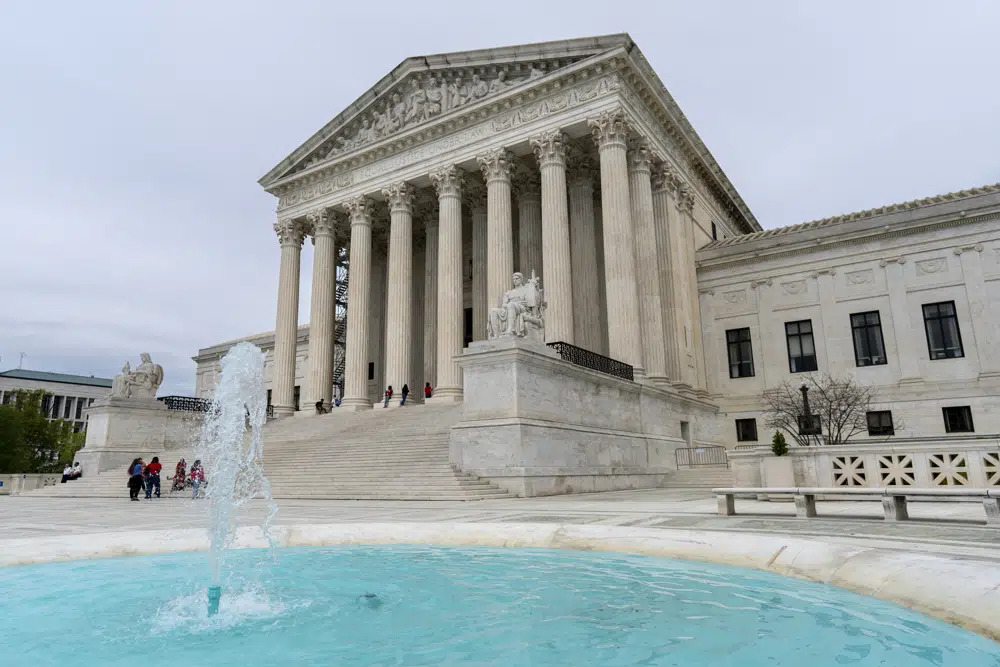
The United States Supreme Court has rendered a unanimous decision in favor of Estrella Santos-Zacaria, a transgender woman from Guatemala who is contesting her deportation on the grounds that she would face persecution if she were to be returned to her home country. Ms. Santos-Zacaria's attorneys argued that she had been raped as a young teenager and had been threatened with death because of her gender identity in a country that has a history of targeting members of the LGBTQ community. However, an immigration judge in the United States determined that Ms. Santos-Zacaria had not made a strong enough case for why she should be allowed to remain in the country.
The Supreme Court's ruling focused on the technical question of whether federal immigration law was flexible enough to allow Ms. Santos-Zacaria another day in court. The 5th U.S. Circuit Court of Appeals had previously ruled against her on that point, but other appellate courts had ruled in favor of immigrants in similar cases. Justice Ketanji Brown Jackson, who authored the Supreme Court's opinion, stated that the 5th Circuit was incorrect.
Ms. Santos-Zacaria first fled to the United States as a teenager, but she was quickly deported in 2008. She returned to the U.S. ten years later after spending much of the intervening time in Mexico. She had testified that she was raped by a neighbor in her hometown and that she faced threats of violence from her community because of her gender identity and her attraction to men. Ms. Santos-Zacaria decided to return to the U.S. after being raped and assaulted by a Mexican gang.
According to the State Department, Guatemala has taken little action to protect members of the LGBTQ community, and transgender women are often threatened with violence. The Supreme Court's decision gives Ms. Santos-Zacaria another opportunity to argue that immigration officials were incorrect to deny her request to remain in the United States.