Home Upload Photo Upload Videos Write a Blog Analytics Messaging Streaming Create Adverts Creators Program
Bebuzee Afghanistan Bebuzee Albania Bebuzee Algeria Bebuzee Andorra Bebuzee Angola Bebuzee Antigua and Barbuda Bebuzee Argentina Bebuzee Armenia Bebuzee Australia Bebuzee Austria Bebuzee Azerbaijan Bebuzee Bahamas Bebuzee Bahrain Bebuzee Bangladesh Bebuzee Barbados Bebuzee Belarus Bebuzee Belgium Bebuzee Belize Bebuzee Benin Bebuzee Bhutan Bebuzee Bolivia Bebuzee Bosnia and Herzegovina Bebuzee Botswana Bebuzee Brazil Bebuzee Brunei Bebuzee Bulgaria Bebuzee Burkina Faso Bebuzee Burundi Bebuzee Cabo Verde Bebuzee Cambodia Bebuzee Cameroon Bebuzee Canada Bebuzee Central African Republic Bebuzee Chad Bebuzee Chile Bebuzee China Bebuzee Colombia Bebuzee Comoros Bebuzee Costa Rica Bebuzee Côte d'Ivoire Bebuzee Croatia Bebuzee Cuba Bebuzee Cyprus Bebuzee Czech Republic Bebuzee Democratic Republic of the Congo Bebuzee Denmark Bebuzee Djibouti Bebuzee Dominica Bebuzee Dominican Republic Bebuzee Ecuador Bebuzee Egypt Bebuzee El Salvador Bebuzee Equatorial Guinea Bebuzee Eritrea Bebuzee Estonia Bebuzee Eswatini Bebuzee Ethiopia Bebuzee Fiji Bebuzee Finland Bebuzee France Bebuzee Gabon Bebuzee Gambia Bebuzee Georgia Bebuzee Germany Bebuzee Ghana Bebuzee Greece Bebuzee Grenada Bebuzee Guatemala Bebuzee Guinea Bebuzee Guinea-Bissau Bebuzee Guyana Bebuzee Haiti Bebuzee Honduras Bebuzee Hong Kong Bebuzee Hungary Bebuzee Iceland Bebuzee India Bebuzee Indonesia Bebuzee Iran Bebuzee Iraq Bebuzee Ireland Bebuzee Israel Bebuzee Italy Bebuzee Jamaica Bebuzee Japan Bebuzee Jordan Bebuzee Kazakhstan Bebuzee Kenya Bebuzee Kiribati Bebuzee Kuwait Bebuzee Kyrgyzstan Bebuzee Laos Bebuzee Latvia Bebuzee Lebanon Bebuzee Lesotho Bebuzee Liberia Bebuzee Libya Bebuzee Liechtenstein Bebuzee Lithuania Bebuzee Luxembourg Bebuzee Madagascar Bebuzee Malawi Bebuzee Malaysia Bebuzee Maldives Bebuzee Mali Bebuzee Malta Bebuzee Marshall Islands Bebuzee Mauritania Bebuzee Mauritius Bebuzee Mexico Bebuzee Micronesia Bebuzee Moldova Bebuzee Monaco Bebuzee Mongolia Bebuzee Montenegro Bebuzee Morocco Bebuzee Mozambique Bebuzee Myanmar Bebuzee Namibia Bebuzee Nauru Bebuzee Nepal Bebuzee Netherlands Bebuzee New Zealand Bebuzee Nicaragua Bebuzee Niger Bebuzee Nigeria Bebuzee North Korea Bebuzee North Macedonia Bebuzee Norway Bebuzee Oman Bebuzee Pakistan Bebuzee Palau Bebuzee Panama Bebuzee Papua New Guinea Bebuzee Paraguay Bebuzee Peru Bebuzee Philippines Bebuzee Poland Bebuzee Portugal Bebuzee Qatar Bebuzee Republic of the Congo Bebuzee Romania Bebuzee Russia Bebuzee Rwanda Bebuzee Saint Kitts and Nevis Bebuzee Saint Lucia Bebuzee Saint Vincent and the Grenadines Bebuzee Samoa Bebuzee San Marino Bebuzee São Tomé and Príncipe Bebuzee Saudi Arabia Bebuzee Senegal Bebuzee Serbia Bebuzee Seychelles Bebuzee Sierra Leone Bebuzee Singapore Bebuzee Slovakia Bebuzee Slovenia Bebuzee Solomon Islands Bebuzee Somalia Bebuzee South Africa Bebuzee South Korea Bebuzee South Sudan Bebuzee Spain Bebuzee Sri Lanka Bebuzee Sudan Bebuzee Suriname Bebuzee Sweden Bebuzee Switzerland Bebuzee Syria Bebuzee Taiwan Bebuzee Tajikistan Bebuzee Tanzania Bebuzee Thailand Bebuzee Timor-Leste Bebuzee Togo Bebuzee Tonga Bebuzee Trinidad and Tobago Bebuzee Tunisia Bebuzee Turkey Bebuzee Turkmenistan Bebuzee Tuvalu Bebuzee Uganda Bebuzee Ukraine Bebuzee United Arab Emirates Bebuzee United Kingdom Bebuzee Uruguay Bebuzee Uzbekistan Bebuzee Vanuatu Bebuzee Venezuela Bebuzee Vietnam Bebuzee World Wide Bebuzee Yemen Bebuzee Zambia Bebuzee Zimbabwe
Blog Image

Unravelling the reasons why mass extinctions occur

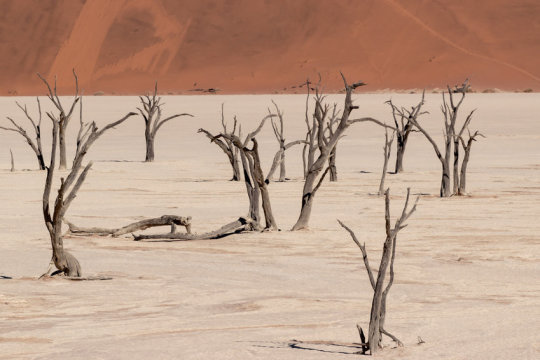
Dead forest in Deadvlei, Namibia. Credit: © Claude / Fotolia

Scientists from the University of Leicester have shed new light on why mass extinctions have occurred through history -- and how this knowledge could help in predicting upcoming ecological catastrophes.

The international team has investigated sudden ecological transitions throughout history, from mass mortality events in the far past to more recent extinctions which have occurred over the last few decades.

In a paper published in the journal Science, co-authored by Professor Sergei Petrovskii and Dr Andrew Morozov from the University of Leicester's Department of Mathematics, and a group of leading scientists from the USA and Canada, the team has explored the long-standing mystery of why these ecological transitions occur.

Ecological systems sometimes experience sudden changes in their properties or function which often results in species extinction and significant loss of biodiversity.

Understanding why these significant changes occur remains a challenge, in particular because transitions often happen under apparently steady, constant conditions and therefore cannot be directly linked to a specific environmental change.

By bringing together empirical data, insights from ecological theory and mathematical models, the team has revealed that abrupt transitions in an ecosystem can occur as a result of long-term transient dynamics, including 'ghost attractors' and 'crawl-bys'.

An attractor is an 'end-state' of a given ecosystem, that is where it expected to be found over an infinitely long period of time and/or where it returns after small perturbations.

A 'ghost attractor' is a special configuration of a dynamical system that exhibits the same behaviour as an attractor but only for a finite time within an ecosystem. After that time, the system would normally experience a fast evolution or transition to another state which can have very different properties. Such transition would therefore correspond to a catastrophe or major ecological shift.

'Crawl-bys', on the other hand, exist when changes to the dynamic of an ecosystem happen slowly over a long period of time.

Professor Petrovskii explained: "An ecological catastrophe emerging from a 'ghost attractor' or a 'crawl-by' may be a debt that we have to pay for the actions or mistakes -- for example unsustainable use of natural resources -- made many generations ago.

"Our research shows that a healthy ecosystem will not necessarily remain healthy, even in the absence of any significant environmental change. Therefore, better monitoring of the state of an ecosystem is required to mitigate potential disasters.

"We also can predict an approaching catastrophe in the sense that our study advises where to look for its signs and what is the relevant time scale: the environmental change (whether it is natural or human-made) that will finally lead to big changes might have happened a very long time ago.

"These findings create a new paradigm as well as a powerful theoretical framework for understanding -- and potentially predicting -- ecological catastrophes and for their efficient management."

Previous Post

Endocrine disruptors found in bottlenose dolphins

Next Post

Ancient farmers spared us from glaciers but profoundly changed Earth's climate

Comments