Want to sleep better? Lift some weights
-
 Loading...
 - Charlotte Brown
- 25 May 2022
- 326 Views
- 0 Like
- 0 Comment
Struggling to sleep?
Put some muscle into your efforts by adding resistance training, otherwise known as weight training, to your weekly exercise routine.
In fact, resistance training may even beat aerobic exercise in the race for best sleep aid, according to a new preliminary study presented on Thursday at the American Heart Association’s Epidemiology, Prevention, Lifestyle & Cardiometabolic Health Conference.
“It’s well established in the science and evidence base that aerobic exercise is good for sleep,” said study author Angelique Brellenthin, an assistant professor of kinesiology at Iowa State University in Ames, Iowa.
Kinesiology is the study of human movement.
“In our study, we found that resistance exercise appeared to go above and beyond aerobics or even a combined aerobic and resistance routine on several different sleep outcomes,” she said.
The study, which is not yet peer reviewed and published, found people doing only resistance training for a year increased their sleep duration at night, adding an average of 40 additional minutes of blissful zzz’s.
People who did only aerobic exercise for 12 months also benefited, but not as much.
They added about 23 minutes of slumber each night, while people who did both types of exercise gained an average of 17 minutes a night.
“These are interesting but preliminary data showing that resistance exercise may be better (for sleep). This will need to be replicated,” said Dr Bhanuprakash Kolla, a sleep psychiatrist and neurologist in the Centre for Sleep Medicine and the Division of Addiction Medicine at the Mayo Clinic in Rochester, Minnesota. He was not involved in the study.
Exercise and sleep
Exercise is one of the most important things you can do to improve your heart, brain and overall health, including getting a good night’s rest. But research has mostly focused on the role of aerobic exercise in sleep.
Aerobic means “with oxygen”, and it’s the sort of exercise that gets the heart revved for a sustained period of time - typically 15 to 30 minutes.
Running, swimming, bike riding, rowing, jumping rope and brisk walking are typical types of aerobic exercise, along with team sports such as basketball.
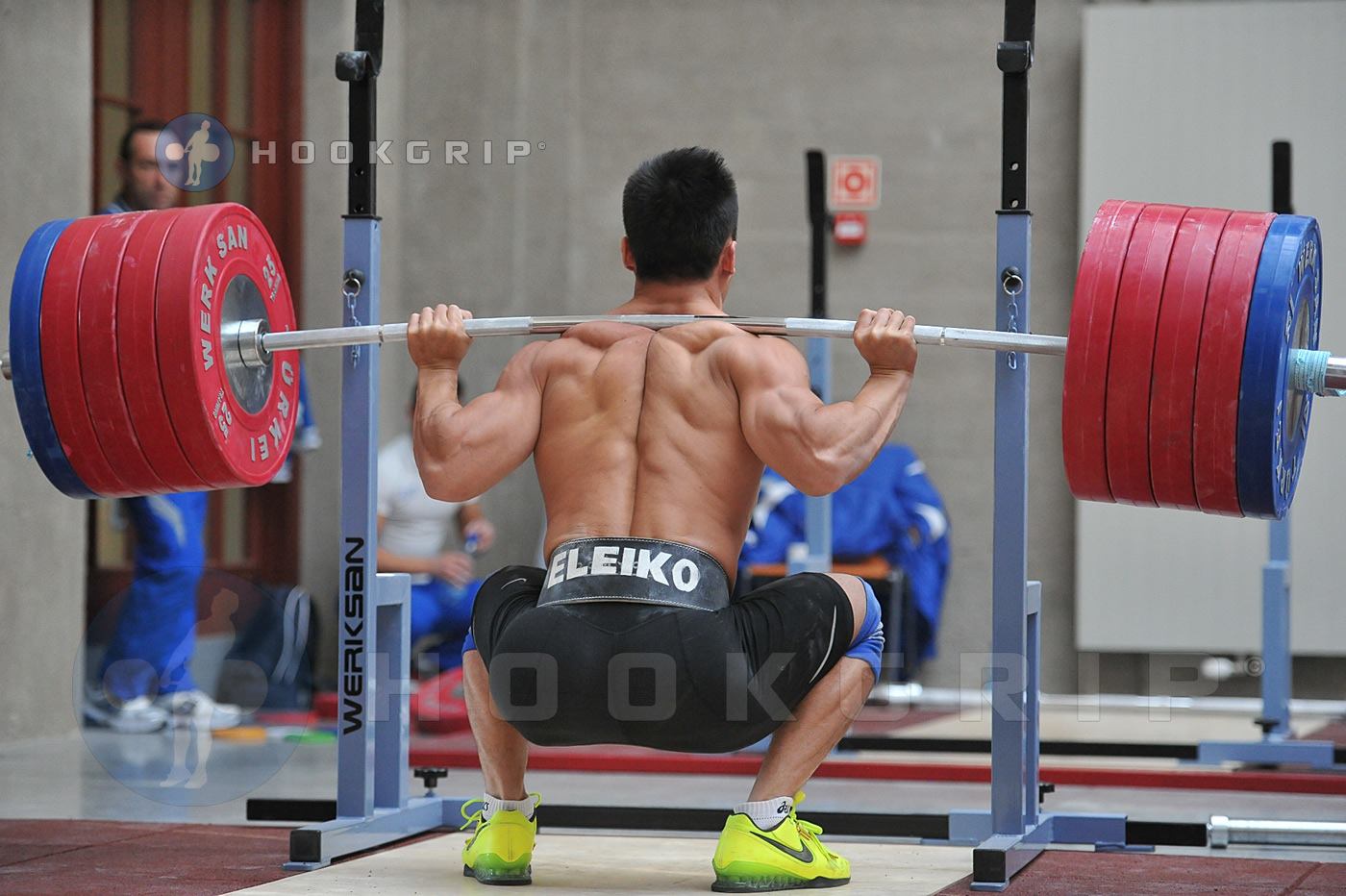
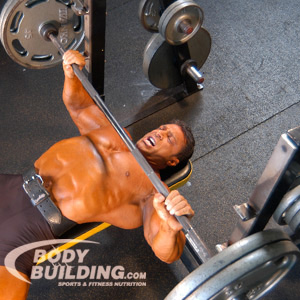
Resistance exercise can include lifting free weights, using machine weights, elastic resistance bands or even the weight of your own body by doing lunges, squats, push-ups and chin-ups.
Weight training adds strength by stressing the muscle fibre, forcing the body to build it back up.
“Our study is one of the largest and longest exercise trials in a general adult population, and to my knowledge the first study to directly compare the two types of exercise, aerobic and resistance,” Ms Brellenthin said.
‘My heart is broken again’: Lisa Curry reveals another devastating loss
Warning over potentially deadly mosquito-borne disease as first cases emerge
In the study, one group of 386 inactive, overweight people with higher than normal blood pressure used weight machines in a gym, completing three sets of eight to 16 repetitions on a circuit of 12 machines: a leg and chest press, lat pull-down, leg curl and extension, biceps curl, triceps pushdown, shoulder press, abdominal crunch, lower-back extension, torso rotation and hip abduction.
Another group used treadmills, ellipticals, and upright or recumbent bikes for their aerobic exercise, with observers monitoring their heart rate to keep it at a moderate to vigorous intensity level.
Both the resistance and aerobic groups exercised under observation for 60 minutes, three times a week.
A third group did 30 minutes of both types of exercise three times a week, while a fourth group did not exercise at all.
The study found that in addition to the additional 40 minutes of sleep, resistance exercise cut the number of times people woke during the night, improving their sleep efficiency by an additional 15 minutes, Ms Brellenthin said.
People who did both types of exercise also improved their sleep efficiency, but not as much.
The aerobic exercise and the control group, which did not work out, saw no benefit at all. People who already slept well also did not see an improvement in sleep.
Why would resistance exercise beat out aerobic when it comes to quality sleep? No one yet knows, Ms Brellenthin said, but she has some theories.
One is that weight training stimulates a growth in muscle cells, which boosts levels of testosterone and growth hormone in the body, “and both of these hormones have been linked more broadly with better, deeper sleep,” she said.
“Another theory might be that when you do weight training, those microscopic tears in tissue that forces the muscle to adapt are sending a stronger signal to the brain to put the person in a deeper state of restoration at night,” she said. Read More...