Warning from experts in Spain that ticks are an increasing health threat
-
 Loading...
 - Amanda Miller
- 02 Jun 2022
- 287 Views
- 0 Like
- 0 Comment
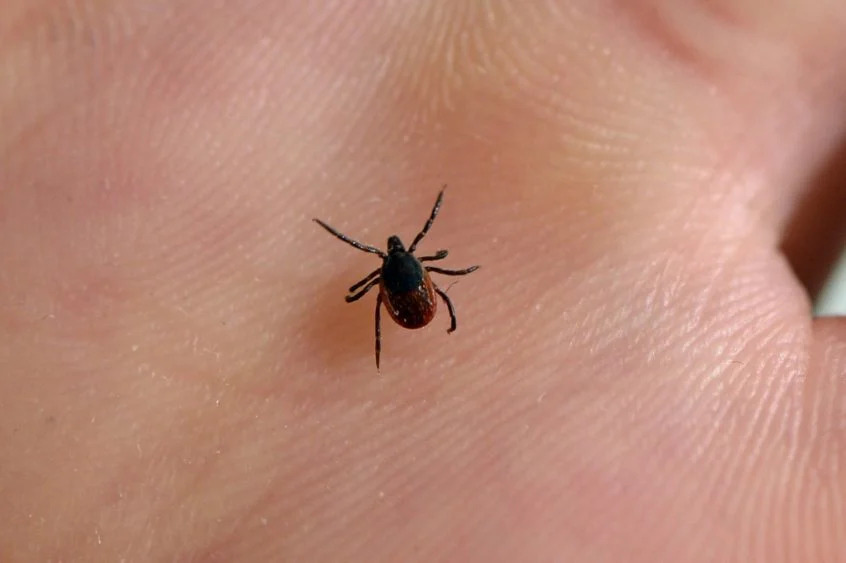
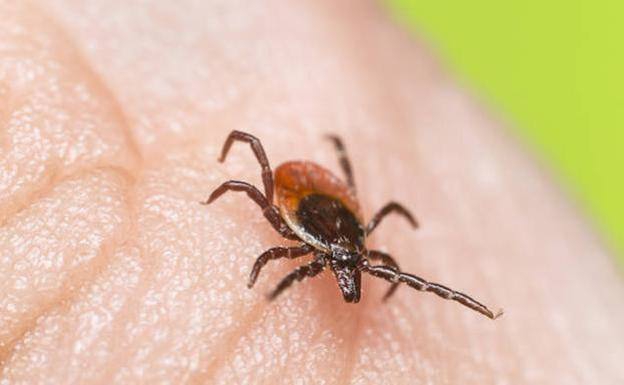
In the last 15 years, the number of people admitted to hospital in Spain with Lyme disease has tripled. This is an infectious illness which is caught through a bacteria passed by ticks to humans and animals. The information was given in a newsletter specifically about the illness produced by the Lyme monitoring group at the National Epidemiology Centre at the Carlos III Health Institute. The study showed that the increase has been similar everywhere in Spain except the region of Extremadura, where it went down.
One of the main causes is climate change, because autumns and winters are warmer these days. “Vets and doctors all over Spain have been warning for some time about an increase in patients with tick bites,” says the monitoring group.
In Spain, around 20 different types of tick have been identified, and some can transmit other serious illnesses such as viral encephalitis or Crimean-Congo haemorrhagic fever, which has a mortality rate of 30% without treatment. Jorge Galván, the CEO of the National Association of Environmental Health Companies (Anecpla) says the danger is not just that people may need hospital treatment: Lyme disease can become chronic if not properly treated, and seriously affect quality of life as it can lead to neurological, cardiac and joint problems.
In the country, parks, gardens and even on the beach
Ticks are often found in the countryside, amid abundant vegetation and where animals are present. Most patients who end up in hospital work in rural areas, but walkers are also vulnerable and there can also be ticks in parks, gardens, swimming pools or even on the beach, says Sergio Monge, the president of Anecpla.
“It is important for people to be aware of the risks posed by ticks and that they can be picked up in holiday environments and not just in the countryside,” he says. Read More…