What a Global Water Shortage Would Mean for Living Things on Earth
-
 Loading...
 - Brittani Mbele
- 24 Aug 2022
- 68 Views
- 0 Like
- 0 Comment
Water is a fundamental resource that is critical for the survival of all living things. Since pre-industrial times, climate change and other human activities have dramatically transformed the way that water is distributed globally. What patterns are beginning to emerge within nature as living things attempt to respond to these escalating changes and how would they most likely be affected if there were a shortage of water on Earth?
In recent decades, climate change has often been linked to extreme weather events. Scientists have been using this term to describe the increased occurrence of temperature or precipitation conditions that are much higher or lower than average.
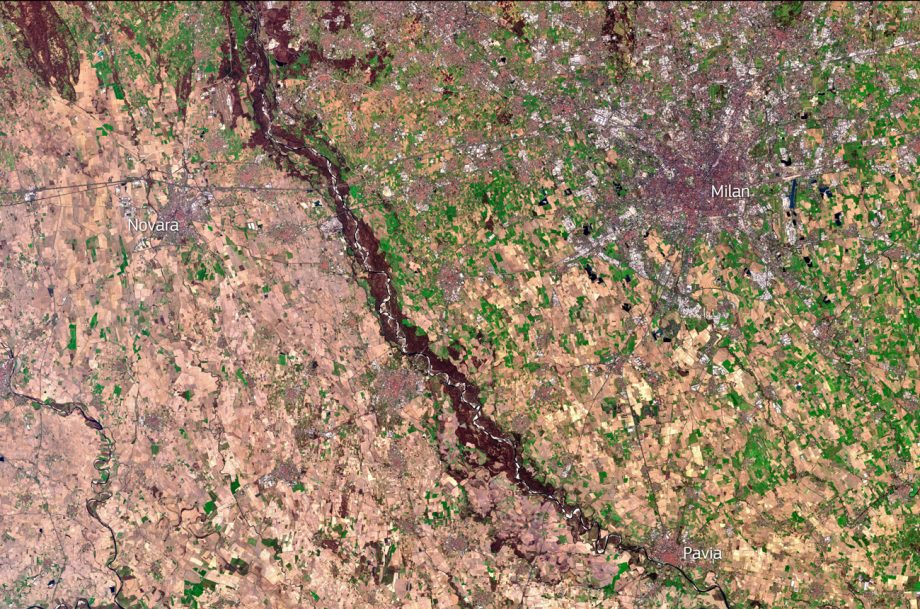
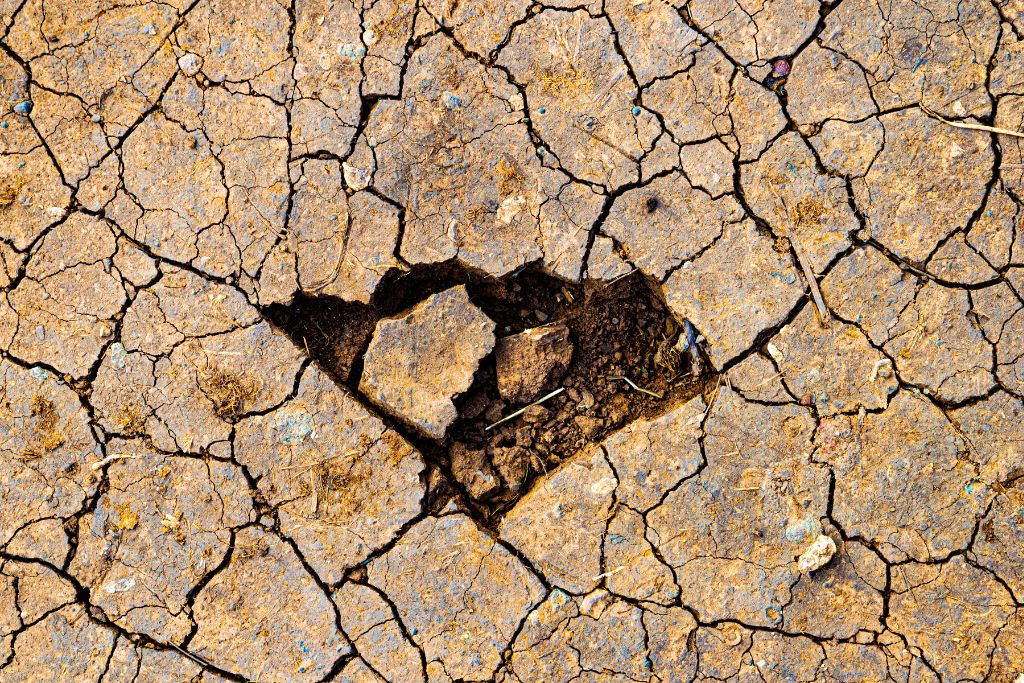
Contrasting changes in precipitation patterns are occurring in different global regions depending on complex meteorological factors. However, on average, the intensity of precipitation events and the variability of when they occur are both increasing. This means that many regions are less likely to receive a stable supply of rainfall and the intense precipitation that does occur is less likely to soak into the already saturated ground surface. Warmer temperatures contribute to faster evaporation of surface water, resulting in drought conditions that affect biodiversity, compromise soil fertility, and represent huge risks to human health.
Since the 1960s, global water use by humans has more than doubled through its use for a wide range of sectors with agriculture being by far the largest user of freshwater. Domestic water withdrawals have shown over a 600% increase since the 1960s to supply the life of the growing global population and the wide range of modern household technologies people use nowadays in their day-to-day life. Read More...