What is Austria's ‘tick vaccine' and should you take it?
-
 Loading...
 - Sabine Auer
- 22 Apr 2022
- 342 Views
- 0 Like
- 0 Comment
Austrian states are announcing vaccination campaigns ahead of what is known as “the tick season” in the country. One of the main actions is for the so-called FSME vaccine, also known as the tick-borne encephalitis (TBE) vaccine, or “tick vaccination” (Zecken-Schutzimpfung).
But what is this disease, and do you really need to get the vaccination?
Tick-borne encephalitis (TBE)
In German, the disease is known as Frühsommermeningoencephalitis, something like “early summer meningoencephalitis”.
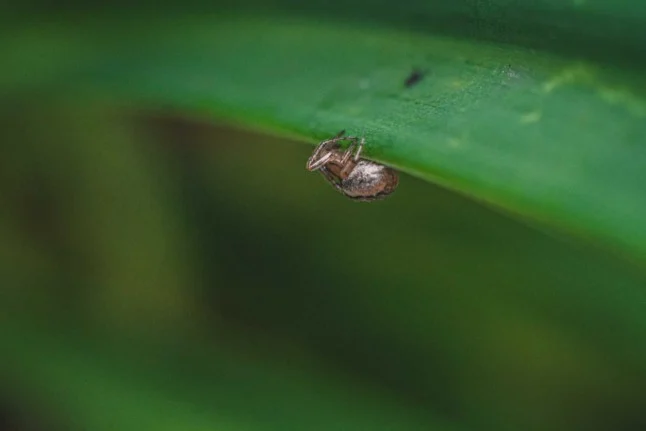
TBE is a viral infection transmitted by the bite of infected ticks. It causes inflammation of the brain and meninges. Symptoms can develop in up to 28 days and include high fever, headache, nausea, and vomiting. The disease can progress to more severe cases.
The virus is present in Austria and other Central and Eastern Europe countries. There is also some presence in China and Japan.
There is no treatment or cure for the disease, but the symptoms can be alleviated.
How common is the virus in Austria?
Ticks carrying the TBE virus can be found in almost all continental Europe, particularly Austria. Therefore, a TBE vaccination is recommended by UK health officials for those who are moving to Austria.
The authorities also recommend the vaccination for those who are only visiting but will visit or work in forested areas – including tourists planning camping or hiking. The main affected areas, they add, are Tyrol and Upper Austria.
However, all areas with vegetation can have infected ticks, including gardens, parks, and meadows. In addition, the animals are usually more active from early spring to late autumn – which is why vaccination campaigns typically start in April.
Before the start of the major vaccination campaigns, TBE was the most common viral infectious disease with encephalitis in Austria, according to the country’s Health Ministry.
At that time, 300 to 700 cases of illness (an incidence rate of about four to nine cases per 100,000 people) occurred per year. Despite high vaccination rates of over 80 per cent, a total of 1,188 laboratory-confirmed illnesses and 20 deaths by TBE were reported in Austria from 2010 to 2020.
In 2020, the number of reported TBE cases that had become infected in Austria and were hospitalized was 216, and three people died. In 2020, 13 of the people affected were children.
The government assumes that more cases took place as more people preferred outdoor activities due to the coronavirus pandemic.
Additionally, as climate changes and winter becomes less cold, with spring temperatures arriving earlier in the year, Austria’s “tick season” is getting longer.
How can I avoid getting bitten?
There are several tips to avoid getting bitten and reduce the risk of contracting TBE (and other tick-borne diseases).
Cover your skin when walking outdoors and tuck your pants into your socks to avoid exposing skin. An insect repellent on clothes and skin (with DEET products) is also very helpful. Another recommendation is to wear light-coloured clothing, which makes it easier to spot and remove ticks.
Even if you get bitten, spotting and removing the ticks quickly and safely can help prevent contamination if the animal carries any pathogens.
What about the vaccine?
Austria applies a three-dose vaccination scheme for children and adults. The first dose should be given after the first birthday (or at any time in the case of adults). Then, depending on the vaccination, the second dose should be taken four weeks after the first one and the third one from five to nine months.
Boosters should be taken every five years, according to the Vienna vaccination service.
The protective effect of the vaccines begins approximately two weeks after the second dose, and vaccination protection is almost 100%.
How can I get the vaccine?
Several states have vaccination campaigns ongoing, but the vaccine is not free. Each dose can cost up to € 26.35, and in some cases, there is a vaccination fee of € 10.65. Read More...