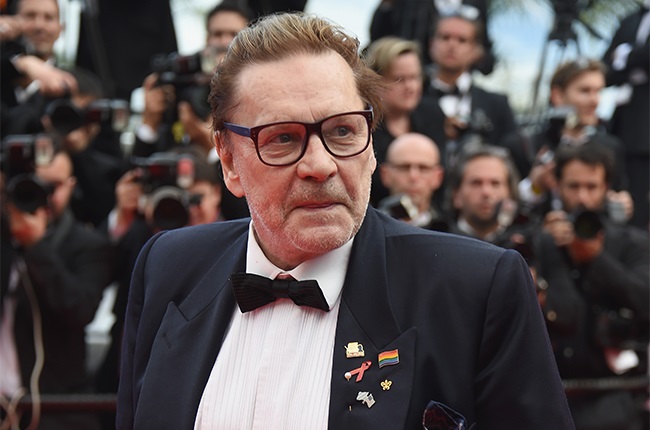
Who was Helmut Berger, Austrian actor who died at 78
-
 Loading...
 - Valentina Bianco
- 29 May 2023
- 87 Views
- 0 Like
- 0 Comment
Friday brought the sad news of the passing of Helmut Berger, an acclaimed Austrian actor renowned for his prominence in European cinema during the 1960s and 1970s. The announcement of his death was made by his agency, Helmut Werner Management, revealing that the veteran actor peacefully departed in his hometown of Salzburg at the age of 78. Let us remember him with respect and honor.
Helmut Berger, recognized as one of the greatest and most gifted actors in the history of European cinema, left an indelible mark on the industry. His extraordinary talent was immediately acknowledged by his mentor, the renowned Italian director Luchino Visconti, who played a significant role in shaping Berger's career. Collaborating on films like "The Damned," "Violence and Passion," and "Ludwig II," they together created an everlasting monument to the artistry of Helmut Berger.
In a statement from Helmut Werner Management, it was revealed that his passing was unexpected, although it occurred peacefully. The depth of his talent and his enduring contributions to the world of film will forever be remembered.
Throughout his career spanning from 1964 to 2019, Helmut Berger actively participated in the realm of showbiz. His noteworthy performances were the fruit of collaborations with esteemed directors such as Luchino Visconti, Vittorio De Sica, and Massimo Dallamano. It was in 1964 when Berger first encountered Visconti, who offered him a debut role in the anthology film "Le streghe." From there, his prominence continued to soar with his remarkable portrayal in "The Damned," another masterpiece directed by Visconti.
Helmut Berger's wide range of roles garnered him further recognition and acclaim. Notable films in his repertoire include "The Blue Angel," "Dorian Gray," "The Garden of the Finzi-Continis," "Ludwig," and "Conversation Piece." His portrayal of the eponymous character in "Ludwig," depicting the life of King Ludwig II of Bavaria from his youth to his final days, received overwhelming critical acclaim. This exceptional performance led to Berger being honored with the prestigious David di Donatello Award.
In addition to his artistic achievements, Berger was known for his openness about his bisexuality, which was a rarity during his time. Considered the "it boy of the European jet set" and hailed as a sex symbol, he fearlessly embraced his sexual orientation. German director Alexander Tuschinski aptly described Berger as a consummate artist, someone serious about his craft and intellectually profound, with no tolerance for pretense or insincerity.