Wildlife that humans use for food, energy, and medicine… 5 million species
-
 Loading...
 - Donghai Huang
- 22 Jul 2022
- 95 Views
- 0 Like
- 0 Comment
Combining the results of various studies, there are about 50,000 species of wildlife used by humans. This number excludes crops and livestock, and includes land animals harvested through hunting, fishing and gathering, sea and freshwater fish, herbs and mushrooms.
Billions of people, or 1 in 5 people in the world, depend on these wildlife to survive.
Such information is contained in the 'Report on Valuation of Various Values ​​and Natural Values' recently approved by the International Organization for Biological Diversity Sciences (IPBES), an independent international organization.
This report was prepared based on more than 13,000 reference materials, and the 'Summary for Policy Makers' released by IPBES contains detailed information on the current situation of global biodiversity.
The use of wild species is directly related to food security
The 50,000 species of wildlife used by humans include 7,500 mammals, birds, amphibians and reptiles, 1700 terrestrial invertebrates, and 7,500 fish and aquatic invertebrates. 31,100 species of wild plants including 7,400 species of trees and 1,500 species of mushrooms and fungi are included.
About 70% of the world's poor depend on businesses that are directly or indirectly linked to wildlife. 2.4 billion people around the world, mainly in developing countries, use firewood as fuel for cooking, and 880 million people are logging or producing charcoal to obtain firewood.
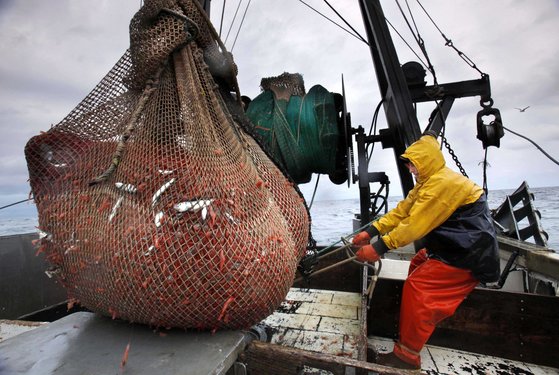
There are also over 100 million people in India engaged in small-scale fishing for fish and shellfish.
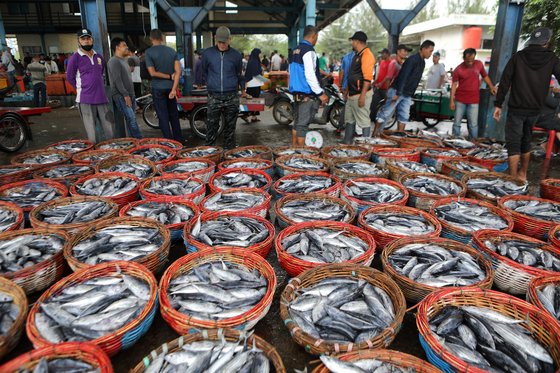
The largest use of wildlife is food. It plays an important role in food security, as more than 20% of the wildlife species used by humans are edible.
In the case of the fishing industry, 90 million tons of catch are produced annually, about 60 million tons are directly consumed by humans, and the rest is used as feed in aquaculture or livestock industries. The capture of terrestrial animals, including hunting, also contributes to food security for people in developing countries.
Acts as a burden on natural ecosystems
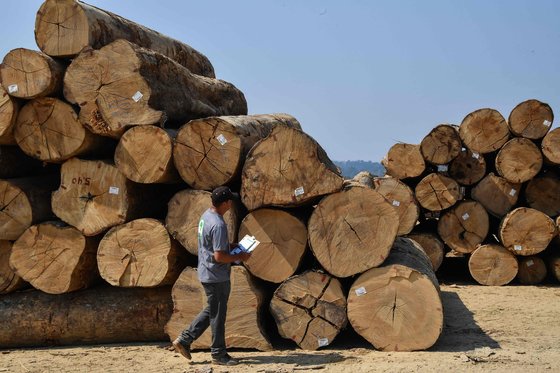
The use of wildlife has a significant impact on natural ecosystems. Industrial logging, including for timber use, occurs in more than a quarter of the world's forests. 12% of wild trees are threatened by male bees. Some cacti, orchids, herbs, and mushrooms are also in danger due to over-collecting.
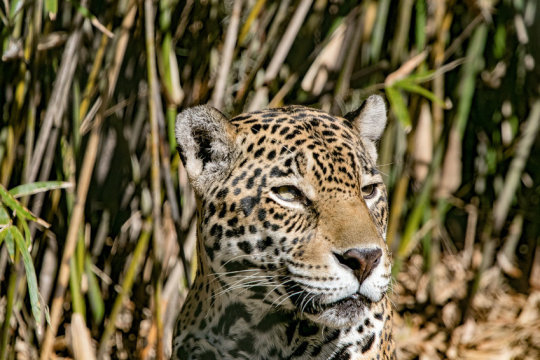
1341 species of wild mammals and a variety of birds are threatened by hunting.
Overfishing has increased the risk of extinction of sharks and rays over the past 50 years. As a result of a recent survey of 1199 out of 1250 shark and stingray species, 449 (37.5%) were assessed as endangered. Read More…