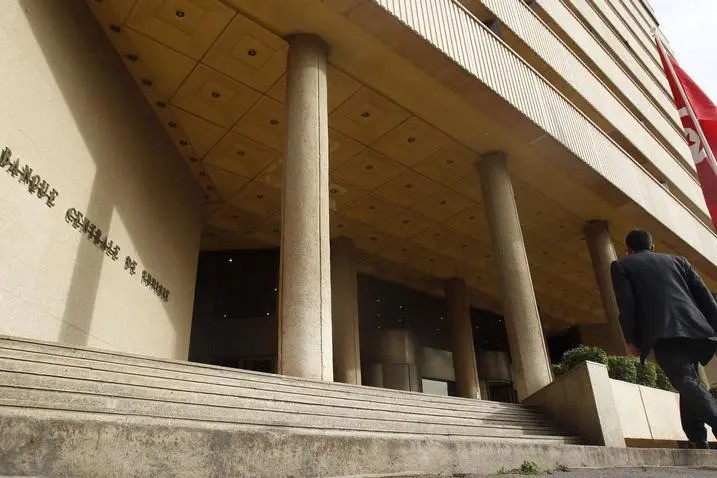
BCT Executive Board Decides to Keep Bank's Key Interest Rate Unchanged at 8%
-
 Loading...
 - Aidan Moran
- 13 Dec 2024
- 61 Views
- 0 Like
- 0 Comment
The Executive Board of the Central Bank of Tunisia (BCT) convened on Thursday and decided to maintain the key interest rate at 8%, continuing its prudent monetary policy in light of ongoing inflation risks. This decision reflects the board's careful consideration of recent economic and financial developments both domestically and internationally.
In its press release, the BCT noted that economic growth at constant 2015 prices has shown a gradual upward trend, reaching 1.8% year-on-year in the third quarter of 2024. This marks an improvement from 1% in the previous quarter and a contraction of -0.4% a year earlier. The board emphasized the importance of all stakeholders working collaboratively to accelerate the implementation of necessary reforms to enhance supply capacities and achieve sustainable growth rates that maintain overall economic balance.
The current account deficit has continued to narrow, standing at TND 3,131 million, or 1.9% of GDP, at the end of October 2024. This is an improvement from TND 3,836 million, or 2.5% of GDP, a year earlier. The reduction in the deficit is attributed to the strong performance of the tourism sector and increased labor income, despite a persistent trade deficit exacerbated by high energy costs.
As of November 26, foreign exchange reserves were reported at TND 24,805 million, equivalent to 112 days of imports, which is comparable to the level recorded at the same time last year.
Inflation in Tunisia has stabilized at 6.7% in October 2024, remaining unchanged for the third consecutive month. This stability is primarily due to rising fresh food inflation, which reached 13% in the same month. Conversely, core inflation—excluding fresh food and administered price products—has continued to decline, falling to 6.4% in October 2024 from 6.7% in the previous month and 8.9% a year earlier.
On the international front, inflation has been easing gradually across many economies. However, the process of returning inflation to central banks' targets sustainably remains challenged by persistent core inflation and the unwinding of favorable base effects linked to previous declines in energy prices. The resilience of global demand and the gradual rise in international commodity prices are expected to influence inflation trends in the near future.
Monetary policy easing in major economies is anticipated to be gradual and contingent upon inflation converging towards targets sustainably.
The BCT's decision to keep the key interest rate unchanged at 8% reflects a cautious approach to managing inflation and supporting economic growth. As Tunisia navigates its economic landscape, the focus remains on implementing reforms and addressing challenges to ensure a stable and prosperous future. The ongoing monitoring of inflation trends and economic indicators will be crucial as the country works towards achieving its economic objectives.