China Central Bank ‘to Allow a Weaker Yuan’ as Trade Risk Rises
-
 Loading...
 - Aiguo Wang
- 13 Dec 2024
- 64 Views
- 0 Like
- 0 Comment
As China prepares for the potential economic impacts of Donald Trump's upcoming presidency, top financial policymakers are considering allowing the yuan to weaken in response to anticipated higher trade tariffs. This shift in strategy comes amid concerns that Trump's proposed tariffs could significantly affect China's economy.
Trump has indicated plans to impose a 10% universal import tariff and a staggering 60% tariff on Chinese imports. In light of these developments, Chinese policymakers recognize the need for greater economic stimulus to mitigate the potential trade blow. Allowing the yuan to depreciate could make Chinese exports more competitive, thereby softening the impact of the tariffs and facilitating looser monetary conditions within mainland China.
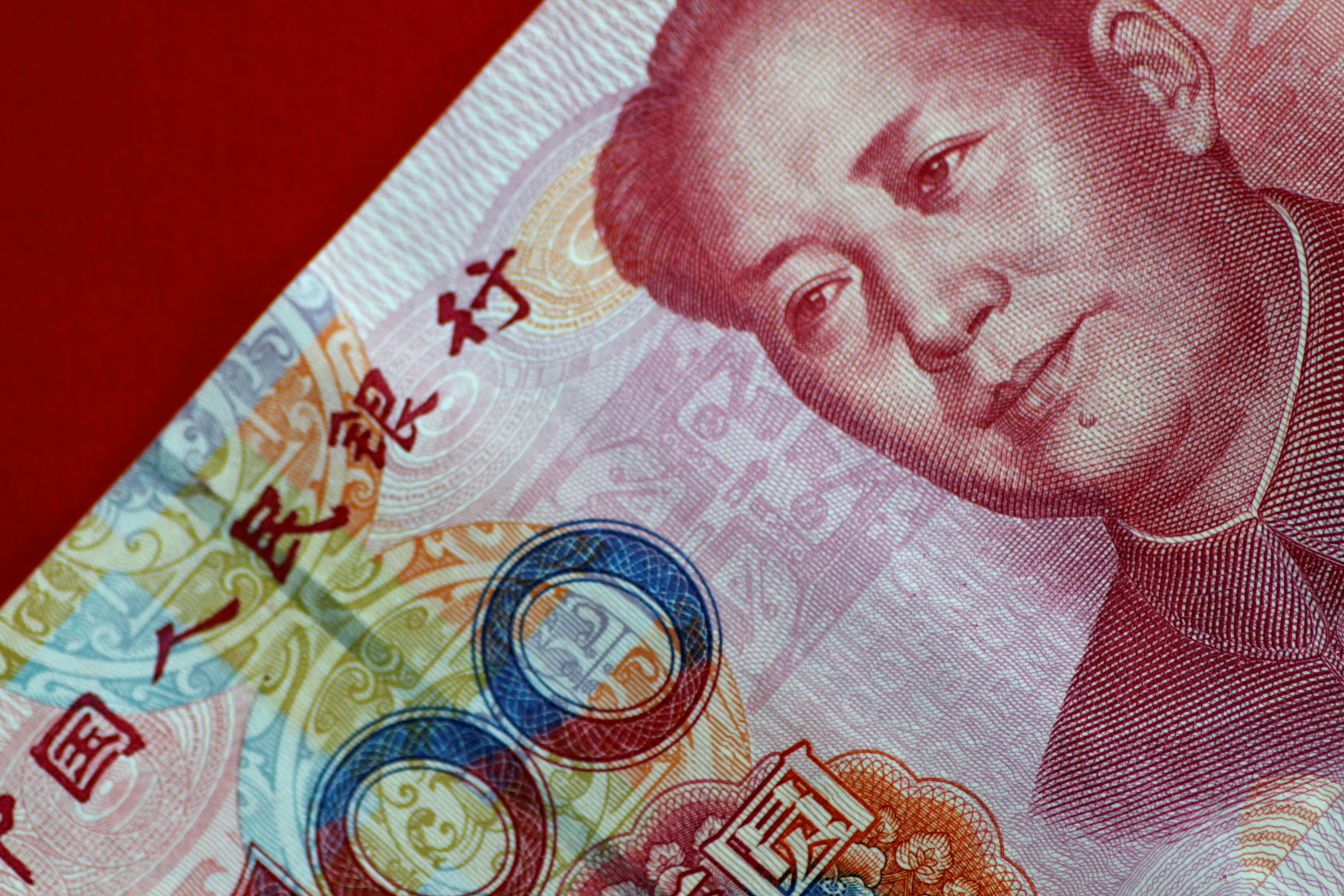
Sources familiar with the discussions have revealed that the People's Bank of China (PBOC) is contemplating a more flexible yuan policy, which would mark a departure from its traditional approach of maintaining a stable foreign exchange rate. Currently, the yuan is managed to fluctuate within a 2% range on either side of a daily midpoint set by the central bank. While the PBOC is unlikely to abandon its commitment to currency stability entirely, it may emphasize allowing market forces to play a larger role in determining the yuan's value.
At a recent Politburo meeting, Chinese officials pledged to adopt an “appropriately loose” monetary policy for the coming year, signaling a shift in policy stance not seen in 14 years. Notably, the recent comments did not reiterate the previous commitment to maintaining a "basically stable yuan," which had been mentioned in earlier statements.
Analysts from the China Finance 40 Forum Research Institute have suggested that China might benefit from temporarily shifting its currency anchor from the US dollar to a basket of non-dollar currencies, particularly the euro. This change could provide greater flexibility in the exchange rate amid ongoing trade tensions.
One source indicated that the PBOC is considering the possibility of the yuan dropping to 7.5 per dollar, representing a roughly 3.5% depreciation from its current level of around 7.25. During Trump's first term, the yuan weakened by more than 12% against the dollar amid escalating tariff disputes.
A weaker yuan could provide significant support to China's economy as it aims to achieve a challenging 5% growth target. By boosting export earnings and making imported goods more expensive, a depreciated yuan could help alleviate deflationary pressures. Analysts predict that the yuan may fall to an average of 7.37 per dollar by the end of next year, reflecting a nearly 4% decline since late September as investors brace for a Trump presidency.
Historically, the central bank has intervened to manage volatility in the yuan through the buying and selling of the currency by state banks. As the situation evolves, the PBOC's approach to currency management will be closely monitored by financial analysts and market participants alike.
The potential for a weaker yuan reflects China's proactive stance in addressing the economic challenges posed by rising trade tensions under a Trump administration. By considering a more flexible currency policy, Chinese policymakers aim to bolster the nation's export competitiveness and navigate the complexities of an evolving global trade landscape. As discussions continue, the implications for both the Chinese economy and international trade dynamics will be significant.