Endoscopic Spine Surgery
-
 Loading...
 - jeremy payne
- 28 Feb 2025
- 76 Views
- 0 Like
- 0 Comment
Endoscopic Spine Surgery: A Minimally Invasive Approach to Back Pain Relief
Back pain is a widespread ailment affecting millions globally, significantly impacting quality of life and daily activities. For those suffering from chronic or debilitating back pain, finding effective and lasting relief is paramount. While traditional open spine surgery has long been the standard treatment for various spinal conditions, advancements in medical technology have led to the development of less invasive alternatives, offering patients a more comfortable and efficient path to recovery. Among these innovative techniques, endoscopic spine surgery stands out as a promising solution for a range of spinal problems.
Understanding Endoscopic Spine Surgery
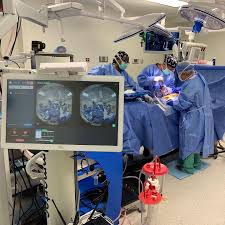
Endoscopic spine surgery represents a significant evolution in the field of spinal care. Unlike traditional open surgery, which involves large incisions, extensive muscle retraction, and a more disruptive approach to the spinal anatomy, endoscopic techniques utilize a minimally invasive methodology. The procedure is characterized by the use of an endoscope, a thin, flexible tube equipped with a camera and light source. This specialized instrument is inserted through a small incision, typically less than an inch in length, allowing surgeons to visualize the surgical site with remarkable clarity on a monitor.
This advanced visualization, combined with specialized surgical instruments passed through the endoscope or separate small incisions, enables the surgeon to perform precise procedures with minimal disruption to surrounding tissues. The core principle of endoscopic spine surgery is to address the underlying spinal pathology while minimizing trauma to muscles, ligaments, and other vital structures.
Benefits of Choosing Endoscopic Spine Surgery
The advantages of endoscopic spine surgery over traditional open surgery are numerous and compelling, making it an increasingly attractive option for both patients and surgeons. Key benefits include:
- Minimally Invasive Nature: The defining advantage of this technique is its minimally invasive nature. Smaller incisions translate to less tissue damage, reduced blood loss, and a decreased risk of infection compared to open surgery.
- Reduced Postoperative Pain: Due to the minimal muscle disruption, patients undergoing endoscopic spine surgery typically experience significantly less postoperative pain. This often leads to a reduced reliance on pain medication and a more comfortable recovery.
- Faster Recovery Times: With less tissue trauma, the body recovers more quickly. Patients often experience shorter hospital stays and can return to their normal activities sooner than those undergoing open procedures. This expedited recovery is a significant advantage for individuals eager to resume work and daily life.
- Smaller Scars: The small incisions used in endoscopic spine surgery result in significantly smaller and less noticeable scars, appealing to patients concerned about cosmetic outcomes.
- Preservation of Spinal Structures: The precision of endoscopic techniques allows surgeons to target the specific problem area while minimizing disruption to surrounding healthy tissues, muscles, and ligaments. This preservation of spinal structures can contribute to better long-term stability and function.
- Reduced Risk of Complications: Studies have indicated that minimally invasive procedures, including endoscopic spine surgery, may be associated with a lower risk of certain complications compared to open surgery, such as surgical site infections and nerve damage.
Conditions Treated with Endoscopic Spine Surgery
Endoscopic spine surgery is not a universal solution for all spinal conditions, but it is highly effective in treating a range of common problems that cause back and leg pain. Some of the conditions frequently addressed with this technique include:
- Herniated Discs: This is perhaps the most common application. Endoscopic techniques, such as microdiscectomy, can efficiently remove the portion of a herniated disc pressing on a nerve root, alleviating sciatica and back pain.
- Spinal Stenosis: Narrowing of the spinal canal, known as spinal stenosis, can compress the spinal cord and nerves. Endoscopic laminectomy or foraminotomy procedures can create more space and relieve pressure, reducing pain and neurological symptoms.
- Sciatica: Pain radiating down the leg, often caused by nerve compression in the lower back, can be effectively treated with endoscopic procedures addressing the underlying cause of nerve impingement, such as herniated discs or spinal stenosis.
- Bone Spurs and Facet Joint Disease: Endoscopic techniques can be used to remove bone spurs and address facet joint issues that contribute to back pain and nerve compression.
The Endoscopic Spine Surgery Procedure
The specific procedure for endoscopic spine surgery will vary depending on the condition being treated and the surgical approach. However, the general principles remain consistent. After anesthesia is administered, a small incision is made, and a dilator is used to create a pathway to the surgical site. The endoscope, equipped with a camera and light, is then inserted through this pathway. The surgeon uses the real-time images projected onto a monitor to guide specialized surgical instruments to the target area.
Depending on the procedure, instruments may be inserted through the endoscope itself or through separate, similarly small incisions. The surgeon meticulously removes herniated disc material, bone spurs, or other pathology causing the patient's symptoms. Once the procedure is complete, the instruments are removed, and the small incision is closed with sutures or surgical tape.
Recovery and Rehabilitation
Recovery after endoscopic spine surgery is typically faster and less painful compared to traditional open surgery. Patients are often able to walk soon after the procedure and may be discharged from the hospital within a day or two. While individual recovery timelines vary, most patients experience a significant reduction in pain in the initial days and weeks following surgery.
Rehabilitation plays a crucial role in optimizing recovery and long-term outcomes. Physical therapy programs are often prescribed to help patients regain strength, flexibility, and proper posture. These programs are tailored to individual needs and may include exercises to strengthen core muscles, improve range of motion, and promote overall spinal health. Adhering to the rehabilitation plan is essential for achieving the best possible results and preventing future back problems.
Conclusion
Endoscopic spine surgery represents a significant advancement in the treatment of back pain and spinal disorders. Its minimally invasive nature, combined with its effectiveness in addressing a range of conditions, makes it an increasingly popular and valuable option for patients seeking relief. By offering reduced pain, faster recovery, and smaller scars, endoscopic spine surgery empowers individuals to return to a more active and fulfilling life, free from the debilitating effects of chronic back pain. Consulting with a qualified spine specialist is essential to determine if endoscopic spine surgery is the appropriate treatment option for your specific condition.


