How to Lose Weight by Walking: Benefits and How to Start
-
 Loading...
 - Shannon Bell
- 27 Feb 2025
- 45 Views
- 0 Like
- 0 Comment
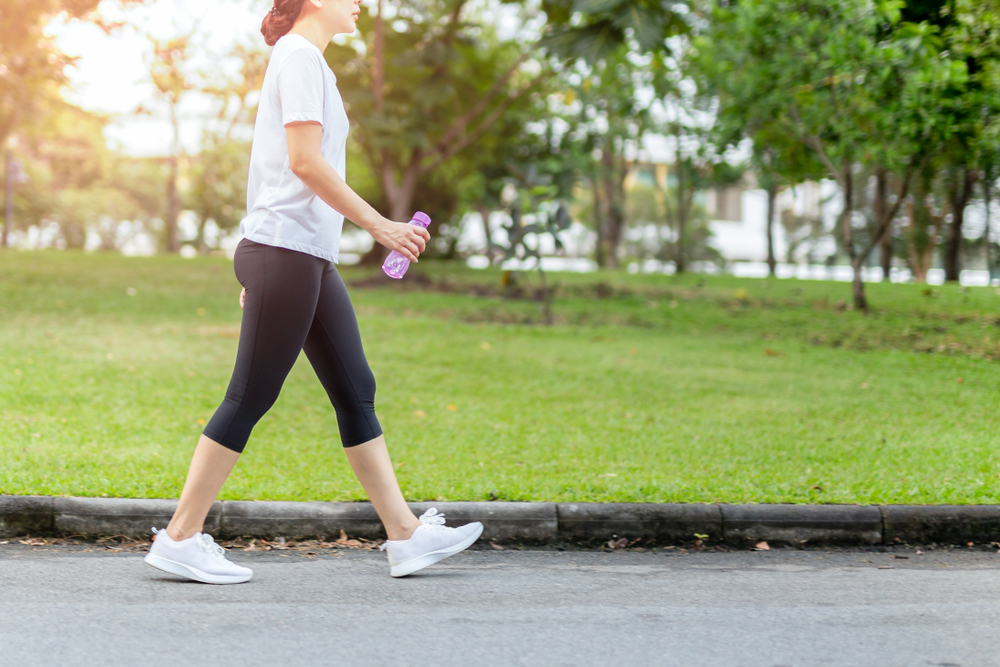
Walking is one of the simplest and most accessible forms of exercise, making it an excellent choice for those looking to lose weight and improve their overall health. Not only is it easy to incorporate into your daily routine, but it also offers numerous benefits beyond weight loss. Here’s how walking can help you shed pounds, the benefits it provides, and tips on how to get started.
Benefits of Walking for Weight Loss
- Burns Calories: Walking helps you burn calories, which is essential for weight loss. The number of calories burned depends on your weight, walking speed, and duration. On average, a person weighing 155 pounds can burn approximately 140 calories by walking for 30 minutes at a moderate pace.
- Improves Metabolism: Regular walking can boost your metabolism, helping your body burn calories more efficiently. This can lead to weight loss over time, especially when combined with a healthy diet.
- Enhances Mood: Walking releases endorphins, which can improve your mood and reduce stress. A positive mindset can help you stay motivated and committed to your weight loss goals.
- Increases Energy Levels: Regular walking can increase your energy levels, making it easier to stay active throughout the day. This can lead to more opportunities for physical activity and additional calorie burning.
- Supports Heart Health: Walking is a cardiovascular exercise that strengthens your heart and improves circulation. A healthy heart is essential for overall well-being and can support your weight loss efforts.
- Low Impact: Walking is a low-impact exercise, making it suitable for people of all fitness levels. It’s easier on the joints compared to high-impact activities, reducing the risk of injury.
How to Start Walking for Weight Loss
- Set Realistic Goals: Start with achievable goals, such as walking for 15-30 minutes a day, three to five times a week. Gradually increase the duration and frequency as you build endurance.
- Choose the Right Footwear: Invest in a good pair of walking shoes that provide support and cushioning. Proper footwear can prevent discomfort and injuries.
- Find a Suitable Route: Choose a walking route that you enjoy, whether it’s a park, a nature trail, or your neighborhood. A pleasant environment can make your walks more enjoyable.
- Incorporate Interval Walking: To increase calorie burn, try interval walking. Alternate between periods of brisk walking and slower-paced walking. For example, walk briskly for one minute, then slow down for two minutes, and repeat.
- Track Your Progress: Use a pedometer, fitness tracker, or smartphone app to monitor your steps and progress. Aim for a daily goal, such as 10,000 steps, and celebrate your achievements.
- Stay Consistent: Consistency is key to weight loss. Make walking a regular part of your routine, and try to find a time that works best for you, whether it’s in the morning, during lunch breaks, or in the evening.
- Combine with a Healthy Diet: While walking can help you lose weight, it’s essential to pair it with a balanced diet. Focus on whole foods, such as fruits, vegetables, lean proteins, and whole grains, while reducing processed foods and sugary snacks.
- Stay Hydrated: Drink plenty of water before, during, and after your walks to stay hydrated. Proper hydration supports overall health and can enhance your performance.
Walking is a simple yet effective way to lose weight and improve your overall health. With its numerous benefits, including calorie burning, improved mood, and enhanced cardiovascular health, it’s an excellent addition to any weight loss plan. By setting realistic goals, staying consistent, and combining walking with a healthy diet, you can achieve your weight loss objectives while enjoying the journey.