
The Science of Cryopreservation: How Specimen Preservation Revolutionizes Research
-
 Loading...
 - Ritu Sharma
- 27 Feb 2025
- 52 Views
- 0 Like
- 0 Comment
In this comprehensive guide, we will explore the science behind cryopreservation, its applications in specimen preservation, the challenges faced during the process, and how it is transforming research. Additionally, we will examine some of the best practices and innovations in cryopreservation that are helping to propel scientific discovery forward.
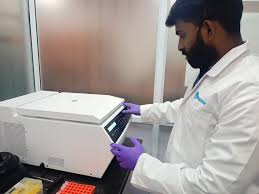
In the world of modern science and biotechnology, the preservation of biological specimens plays a pivotal role in ensuring the success and accuracy of research. Cryopreservation is one of the most groundbreaking methods used for the long-term preservation of specimens, especially cells, tissues, and other biological materials, at sub-zero temperatures. This process allows researchers to store samples for extended periods without compromising their viability or integrity. The development and refinement of cryopreservation techniques have revolutionized numerous fields, from medical research to agriculture and conservation.
In this comprehensive guide, we will explore the science behind cryopreservation, its applications in specimen preservation, the challenges faced during the process, and how it is transforming research. Additionally, we will examine some of the best practices and innovations in cryopreservation that are helping to propel scientific discovery forward.
What is Cryopreservation?
Cryopreservation refers to the process of cooling and storing biological samples, such as cells, tissues, or embryos, at ultra-low temperatures, typically between -80°C and -196°C, in order to halt all cellular activity, including metabolic processes and microbial growth. The aim is to preserve the structure and function of the specimen so that it can be revived or used for research in the future.
Unlike traditional preservation methods that rely on dehydration or chemical fixatives, cryopreservation enables the preservation of living cells with minimal loss of biological activity. This is particularly important for research involving stem cells, sperm, eggs, and other biological materials that require long-term storage.
The Science Behind Cryopreservation
The process of cryopreservation relies on a delicate balance of temperature control, chemical agents, and time. The key factors that influence the success of cryopreservation include:
Freezing Rate: One of the most critical factors in cryopreservation is the rate at which the biological specimen is frozen. If frozen too quickly, ice crystals can form within the cells, causing damage to cellular structures. Conversely, freezing too slowly may lead to dehydration, which can also damage the specimen. A controlled freezing rate is essential for maintaining cellular integrity.
Cryoprotectants: Cryoprotectants are substances that are added to biological specimens before freezing to prevent the formation of ice crystals. These chemicals work by penetrating the cells and reducing the freezing point of water, preventing intracellular ice formation. Common cryoprotectants include dimethyl sulfoxide (DMSO), glycerol, and ethylene glycol.
Cooling and Warming: Once the specimen is frozen, it must be stored at temperatures that prevent any biological activity. After storage, thawing is also a critical step. If thawed too quickly or at an incorrect temperature, the specimen may undergo thermal shock, resulting in cell death. Proper thawing techniques are necessary to ensure that the specimen maintains its viability.
Applications of Cryopreservation in Specimen Preservation
The use of cryopreservation has revolutionized several fields of research and has far-reaching applications, from medicine to agriculture. Below are some of the most prominent uses:
1. Medical Research and Therapeutics
Cryopreservation has had a transformative impact on medical research and therapeutic practices. Some of the key applications include:
Stem Cell Storage: Stem cells are highly valuable for regenerative medicine, disease modeling, and treatments. Cryopreservation ensures that stem cells can be stored for long periods, making them available for future use in clinical therapies.
Blood and Plasma Banking: The preservation of blood and plasma is vital for transfusion medicine. Cryopreservation allows these blood components to be stored for years without degradation, ensuring a ready supply for hospitals and clinics.
Sperm and Egg Cryopreservation: Fertility preservation through sperm and egg banking has become increasingly important for individuals undergoing cancer treatment or other medical procedures that may affect fertility. Cryopreservation enables long-term storage of reproductive cells for future use.
2. Agricultural Research
In agriculture, cryopreservation plays a crucial role in the preservation of genetic material, particularly in plants and animals. By storing seeds, embryos, and other biological materials, researchers can safeguard valuable genetic traits, ensuring that these traits can be preserved and used for breeding programs or research purposes. For example:
Seed Banks: The preservation of plant species is vital for biodiversity conservation and sustainable agriculture. Cryopreservation of seeds in facilities like the Svalbard Global Seed Vault helps protect plant species from extinction due to climate change, natural disasters, or other threats.
Livestock Preservation: Cryopreservation allows for the storage of semen and embryos from valuable livestock, enabling genetic material to be preserved for future breeding programs. This is particularly useful for rare or endangered species, as well as for improving livestock breeds with desirable traits.
3. Conservation of Endangered Species
One of the most promising applications of cryopreservation is in the conservation of endangered species. By preserving sperm, eggs, embryos, or DNA samples, researchers can create genetic repositories that may be used for breeding programs or the restoration of extinct species in the future.
The cryopreservation of animal genetic material has been employed to preserve the genetics of endangered species, such as tigers, elephants, and rhinos. This technology provides a powerful tool for species conservation, as it allows scientists to maintain genetic diversity even when species populations are dwindling.
4. Human Clinical Applications
In human medicine, cryopreservation is a cornerstone of various assisted reproductive technologies (ART), such as in vitro fertilization (IVF). The preservation of embryos, sperm, and oocytes has enabled many individuals and couples to pursue parenthood despite fertility challenges.
Cryopreservation is also used in cancer treatments, where fertility preservation is often necessary for patients undergoing chemotherapy or radiation therapy, both of which can damage reproductive cells. Storing eggs or sperm before treatment ensures that individuals have the option of having biological children later in life.

Challenges and Limitations of Cryopreservation
Despite its many benefits, cryopreservation is not without challenges. Some of the common limitations include:
Cellular Damage: Although cryoprotectants help prevent ice formation, they are not foolproof. Some cells may still experience damage due to ice crystal formation or other factors.
Cost: The use of cryopreservation can be costly, particularly in clinical or agricultural settings. The need for specialized equipment, chemicals, and controlled storage conditions may present a financial barrier to widespread adoption.
Thawing Damage: The process of thawing cryopreserved specimens can sometimes cause cellular damage or reduce viability, especially when it is not done carefully.
The Future of Cryopreservation and Specimen Preservation
As science and technology continue to advance, so does the field of cryopreservation. Researchers are continuously exploring ways to improve freezing and thawing techniques, develop better cryoprotectants, and enhance the overall effectiveness of the process. Innovations in cryopreservation technology hold the potential to revolutionize not only medical and agricultural research but also conservation and wildlife preservation.
For instance, scientists are exploring the use of alternative cryoprotectants that are less toxic to cells and tissues. Additionally, advanced techniques like vitrification, which involves the formation of a glass-like solid instead of ice during freezing, are being researched to improve the success rates of cryopreservation.
Conclusion
Cryopreservation is an extraordinary technology that has revolutionized the way we preserve biological specimens, making it possible to store and revive living cells, tissues, and genetic material for future use. With applications spanning medical research, agriculture, conservation, and human reproductive technologies, cryopreservation has the potential to solve many challenges faced by researchers and scientists.
As the field continues to evolve, innovations in specimen preservation will undoubtedly lead to even greater advancements in medicine, conservation, and agriculture. For those looking to incorporate cutting-edge techniques and expertise in cryopreservation, partnering with industry leaders is essential. Migene is at the forefront of offering advanced solutions and expert consultation for cryopreservation and specimen preservation, providing the tools and technologies that are shaping the future of research and biological preservation.


