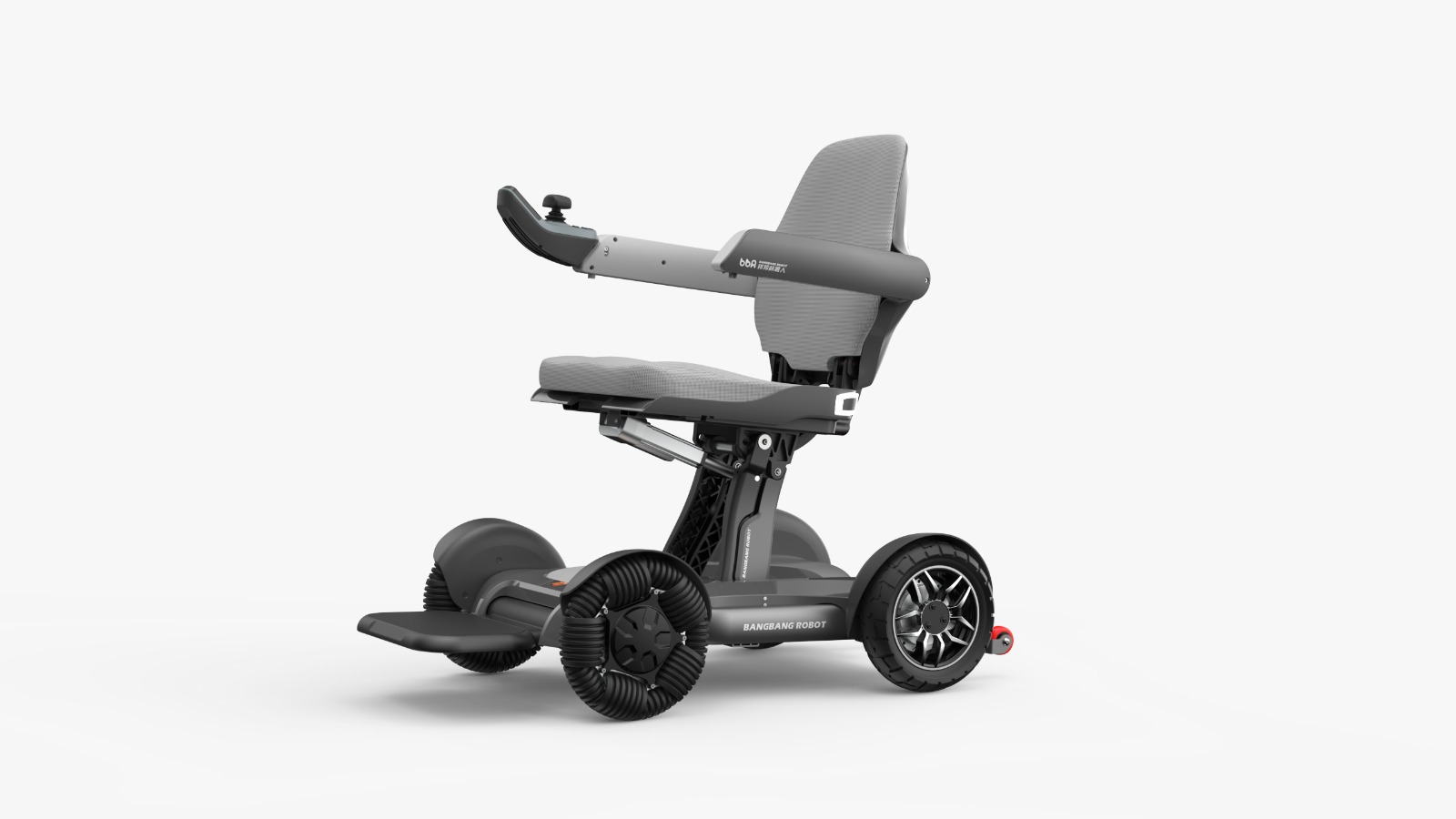
The Future of Wheelchairs with Innovative Robotic Technology

As someone who has always been passionate about improving the lives of individuals with disabilities, I am thrilled to witness the incredible advancements in innovative robotic technology that are revolutionizing mobility for wheelchair users.
As someone who has always been passionate about improving the lives of individuals with disabilities, I am thrilled to witness the incredible advancements in innovative robotic technology that are revolutionizing mobility for wheelchair users. These cutting-edge innovations have the potential to transform the lives of millions of people around the world, providing them with newfound freedom, independence, and accessibility. In this article, I will explore the advantages of innovative robotic wheelchairs, delve into how robotic technology is revolutionizing mobility, and discuss the exciting features and functionalities that these wheelchairs offer.

Advantages of innovative robotic wheelchairs
Innovative robotic wheelchairs offer numerous advantages over traditional manual or electric wheelchairs. Firstly, they provide enhanced maneuverability and control. With the integration of advanced sensors and intelligent algorithms, these wheelchairs can navigate through various terrains and obstacles with ease. This means that wheelchair users can confidently venture into different environments, such as parks, shopping centers, or even rugged outdoor terrains, without the fear of getting stuck or facing difficulties.
Secondly, robotic wheelchairs promote better posture and reduce the risk of developing secondary health issues. These wheelchairs are designed to provide optimal support and comfort, ensuring that the user's body is properly aligned. This not only prevents discomfort and pain but also reduces the risk of developing pressure sores or musculoskeletal disorders that are commonly associated with prolonged wheelchair use.
Another significant advantage of innovative robotic wheelchairs is their ability to adapt to the individual needs and preferences of the user. These wheelchairs come with customizable settings that allow users to adjust the seat position, backrest angle, and other parameters to their liking. This level of personalization ensures that each user can find the most comfortable and ergonomic seating position, promoting overall well-being and user satisfaction.
How robotic technology is revolutionizing mobility for wheelchair users
Robotic technology has the power to revolutionize mobility for wheelchair users in several ways. One of the most significant advancements is the integration of artificial intelligence (AI) and machine learning algorithms into these wheelchairs. This enables the wheelchair to learn and adapt to the user's behavior and preferences over time. The wheelchair can anticipate the user's movements, such as turning or stopping, and respond accordingly, providing a seamless and intuitive experience.
Additionally, robotic wheelchairs can be equipped with obstacle detection and avoidance systems. With the help of sensors and cameras, these wheelchairs can detect objects or obstacles in their path and automatically navigate around them. This feature greatly enhances the safety of wheelchair users, as it reduces the risk of collisions and accidents. It also empowers users to explore their surroundings independently without relying on assistance from others.
Furthermore, innovative robotic wheelchairs offer connectivity and integration with other smart devices and technologies. This means that users can control their wheelchair using voice commands, smartphone apps, or even brain-computer interfaces. This level of connectivity and integration opens up a world of possibilities for wheelchair users, allowing them to interact with their environment in ways that were previously unimaginable.

Features and functionalities of innovative robotic wheelchairs
Innovative robotic wheelchairs come equipped with a wide range of features and functionalities that enhance the overall user experience. Some of these features include:
- Auto-adjustable seat positioning: These wheelchairs can automatically adjust the seat position based on the user's movements and preferences, ensuring optimal comfort and support.
- Intelligent navigation: With advanced sensors and algorithms, these wheelchairs can navigate through complex environments, avoiding obstacles and adapting to different terrains.
- Smart connectivity: Robotic wheelchairs can connect with other smart devices, allowing users to control their wheelchair using voice commands, smartphone apps, or even brain-computer interfaces.
- Intuitive control interfaces: These wheelchairs are designed with user-friendly control interfaces, making it easy for users to operate and customize their wheelchair settings.
- Long battery life: Innovative robotic wheelchairs are equipped with long-lasting batteries that provide extended usage time, ensuring that users can go about their day without worrying about running out of power.
Conclusion:
Innovative robotic technology has the potential to transform the future of wheelchair mobility. These advancements are not only improving the lives of individuals with disabilities but also promoting inclusivity and accessibility in our society. With enhanced maneuverability, personalized comfort, and intelligent navigation capabilities, wheelchair users can experience newfound freedom and independence like never before. As the field of robotics continues to evolve, we can expect even more groundbreaking innovations that will further revolutionize wheelchair mobility and empower individuals with disabilities to live life to the fullest.


