10 Books to Better Understand Wartime Ukraine
-
 Loading...
 - Kevin Sinclair
- 12 Jul 2024
- 55 Views
- 0 Like
- 0 Comment
Ukraine’s authors should have been able to dedicate their lives to honing their craft. Instead, many have stepped up to contribute to the war effort and fight back against Russian aggression. Ukrainian literature provides a unique and valuable perspective on the conflict, shedding light on the human stories behind the geopolitical narratives. Here are ten essential books to better understand wartime Ukraine.
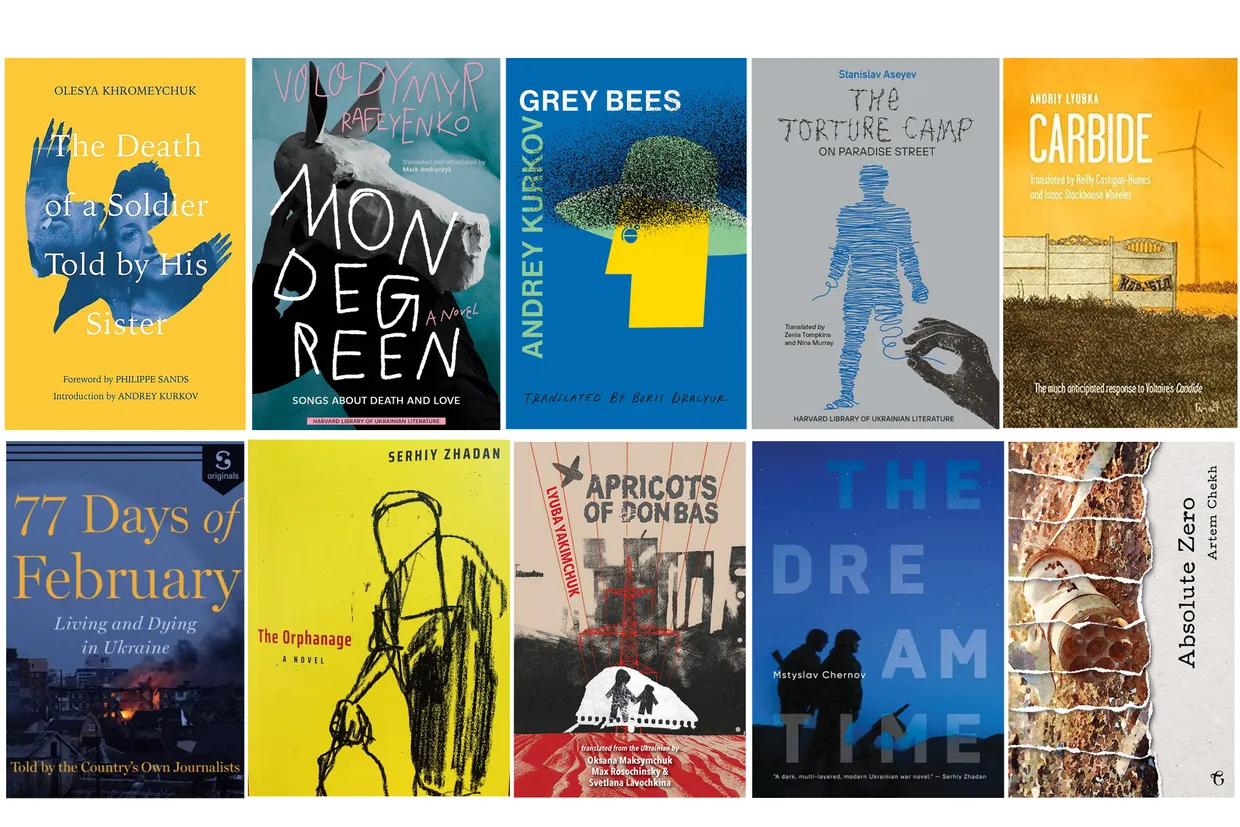
1. The Torture Camp on Paradise Street by Stanislav Aseyev
Journalist's Account
Stanislav Aseyev, a journalist and writer, stayed behind in Donetsk after Russian forces took control in 2014 to report on life under occupation. He was kidnapped in 2017, accused of espionage, and spent over two years in the notorious Izolyatsia prison.
Life Under Russian Occupation
Aseyev’s harrowing account of psychological and physical torture at the hands of Russian forces provides a stark glimpse into the reality faced by countless Ukrainians. This book is essential for understanding the ongoing risks and the human cost of Russian occupation.
2. Mondegreen by Volodymyr Rafeyenko
Internally Displaced Experience
Volodymyr Rafeyenko, once a Russophone Ukrainian writer, fled Donetsk in 2014 and vowed to write in Ukrainian. "Mondegreen" follows Haba Habinsky, a displaced professor from Donetsk, as he struggles to find his place in Kyiv.
Cultural and Linguistic Shifts
This novel highlights the challenges faced by internally displaced persons and explores themes of detachment, disorientation, and cultural identity.
3. Apricots of Donbas by Lyuba Yakimchuk
Poetry from the War Zone
Lyuba Yakimchuk’s collection of poems is a heartfelt tribute to her native Donbas, ravaged by war. Her verses evoke the loss and destruction experienced by those who call the region home.
Linguistic Destruction and Displacement
Yakimchuk’s work is poignant, exploring the impact of war on language and identity, and reflecting on how displacement and conflict have reshaped the lives of those in Donbas. Her poetry is a powerful reminder of the personal and cultural losses inflicted by the war.
4. Carbide by Andriy Lyubka
Satirical Take on European Integration
"Carbide" is a satirical novel that tells the story of a history teacher with grandiose plans to smuggle all Ukrainians into the EU through a tunnel under Transcarpathia. His sincere intentions clash with the criminal elements he partners with.
Post-EuroMaidan Reflections
Published after the EuroMaidan Revolution, this book humorously yet poignantly addresses the challenges and aspirations of Ukraine’s journey toward European integration, exposing the enduring hardships inflicted by Russian influence.
5. The Orphanage by Serhiy Zhadan
Family in Wartime
Serhiy Zhadan’s novel centers on Pasha, a teacher in Donetsk, who must rescue his nephew from an orphanage in Russian-occupied territory. The story unfolds amid the backdrop of war and societal collapse.
Identity and Choice
Pasha’s journey is a powerful exploration of identity, loyalty, and the difficult choices faced by those living in a war-torn country. Zhadan’s prose is concise and evocative, capturing the complexities of life during conflict.
6. The Dreamtime by Mstyslav Chernov
Psychological Novel
Mstyslav Chernov, a Pulitzer Prize-winning journalist, uses his experiences on the front lines to create a psychological novel that delves into the brutal realities of war.
Reporter’s Perspective
"The Dreamtime" weaves together stories from the start of the war in Donbas, highlighting the psychological toll on those who witness and endure violence. Chernov’s novel underscores the inescapable nightmare of war.
7. Grey Bees by Andrey Kurkov
Life in the Grey Zone
In "Grey Bees," Sergey Sergeyich and his bees are among the few inhabitants left in their village in the Grey Zone, a no-man’s land between Ukrainian and Russian-controlled areas in Donbas.
Devotion and Survival
Sergey’s journey to Crimea in search of safety for his bees reveals the harsh realities of life under Russian occupation. Kurkov’s novel is a touching exploration of survival, kindness, and the absurdity of war.
8. Absolute Zero by Artem Chekh
Military Vignettes
Artem Chekh’s "Absolute Zero" is a collection of vignettes recounting his experiences as a soldier in the Ukrainian Armed Forces. The book provides an unidealized portrayal of military life during the early years of the conflict.
Realities of War
Chekh’s writing captures the stark realities and occasional humor of life on the front lines. His perspective as both a writer and soldier offers a unique and candid look at the human side of war.
9. The Death of a Soldier Told by His Sister by Olesya Khromeychuk
Personal Memoir
Olesya Khromeychuk’s memoir reflects on the loss of her brother, Volodymyr, who was killed while serving on the front lines. Her book goes beyond personal grief to explore broader themes of memory, mourning, and the motivations of those who fight.
Broader Reflections on War
Khromeychuk’s narrative raises important questions about public memory, the impact of war on historians, and the reasons behind Ukrainians’ willingness to defend their country.
10. 77 Days of February: Living and Dying in Ukraine
Narrative Journalism
This collection of narrative journalism from The Ukrainians media documents the first few weeks of Russia’s full-scale invasion in February 2022. The stories provide a ground-level view of the war’s impact on everyday Ukrainians.
Civilian Perspectives
Through compelling accounts of resilience and humanity, "77 Days of February" highlights the experiences of civilians who have persevered in the face of unimaginable adversity.
Conclusion
Exploring these ten books offers a deeper understanding of the human stories behind the war in Ukraine. From personal memoirs and psychological novels to narrative journalism and poetry, these works provide invaluable insights into the resilience, identity, and struggles of the Ukrainian people. Delving into these stories fosters empathy and a greater appreciation for the cultural and personal impacts of the conflict.