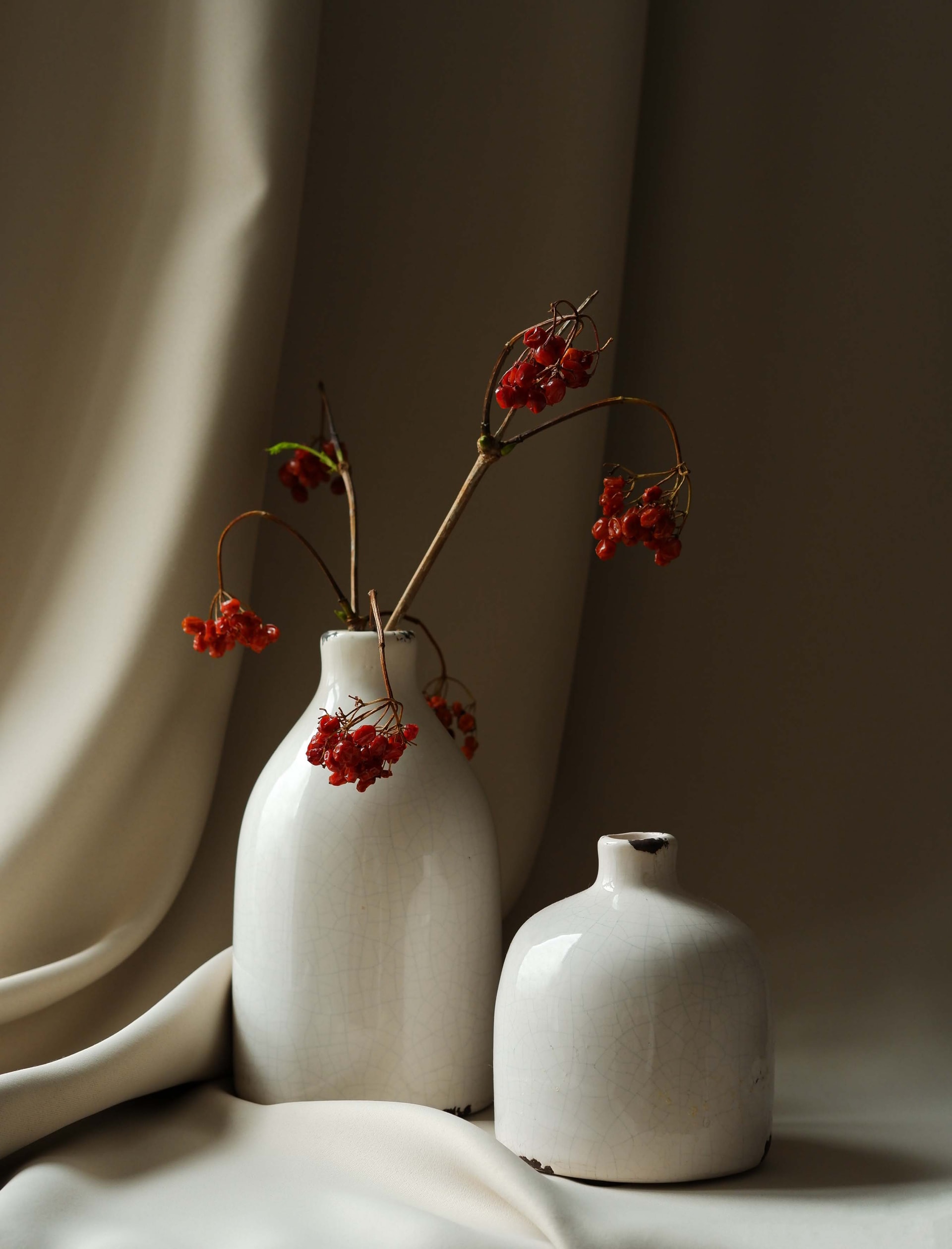
5 Best Still Life Photography Tips to Elevate Your Skills
-
 Loading...
 - Kelvin Mugambi
- 11 Oct 2024
- 43 Views
- 0 Like
- 0 Comment
Still life photography is an art form that requires patience, creativity, and attention to detail. Whether you're a seasoned photographer or just starting out, mastering the techniques of still life photography can help you take your skills to the next level. Here are five best still life photography tips to help you elevate your skills:

Tip 1: Keep it Simple
One of the most important tips for still life photography is to keep it simple. Avoid cluttering the frame with too many objects or distracting backgrounds. Instead, focus on a few select items that tell a story or evoke a mood. Remember, less is often more in still life photography.
Tip 2: Draw Inspiration from the Greats
Study the work of famous still life photographers, such as Edward Weston, Irving Penn, and Tina Modotti. Analyze their composition, lighting, and use of props. Draw inspiration from their work and incorporate their techniques into your own photography.
Tip 3: Experiment with Lighting
Lighting is one of the most critical elements of still life photography. Experiment with different lighting setups, such as natural light, artificial light, and shadows. Use lighting to create mood, texture, and depth in your images.
Tip 4: Pay Attention to Composition
Composition is key to creating visually appealing still life photographs. Experiment with different composition techniques, such as the rule of thirds, symmetry, and negative space. Pay attention to the placement of objects, the use of leading lines, and the creation of visual interest.
Tip 5: Don't Forget the Details
Finally, don't forget to pay attention to the details. Check your camera settings, focus on the subject, and adjust the lighting as needed. Make sure the props are clean and well-placed, and the background is not distracting. Attention to detail can make all the difference in creating a stunning still life photograph.
By following these five still life photography tips, you can elevate your skills and create stunning images that tell a story and evoke a mood. Remember to keep it simple, draw inspiration from the greats, experiment with lighting, pay attention to composition, and don't forget the details. Happy shooting!