5 Easy Bits of First Aid to Learn Before Heading into the Hills
-
 Loading...
 - Adela Chvatal
- 16 Jun 2022
- 249 Views
- 0 Like
- 0 Comment
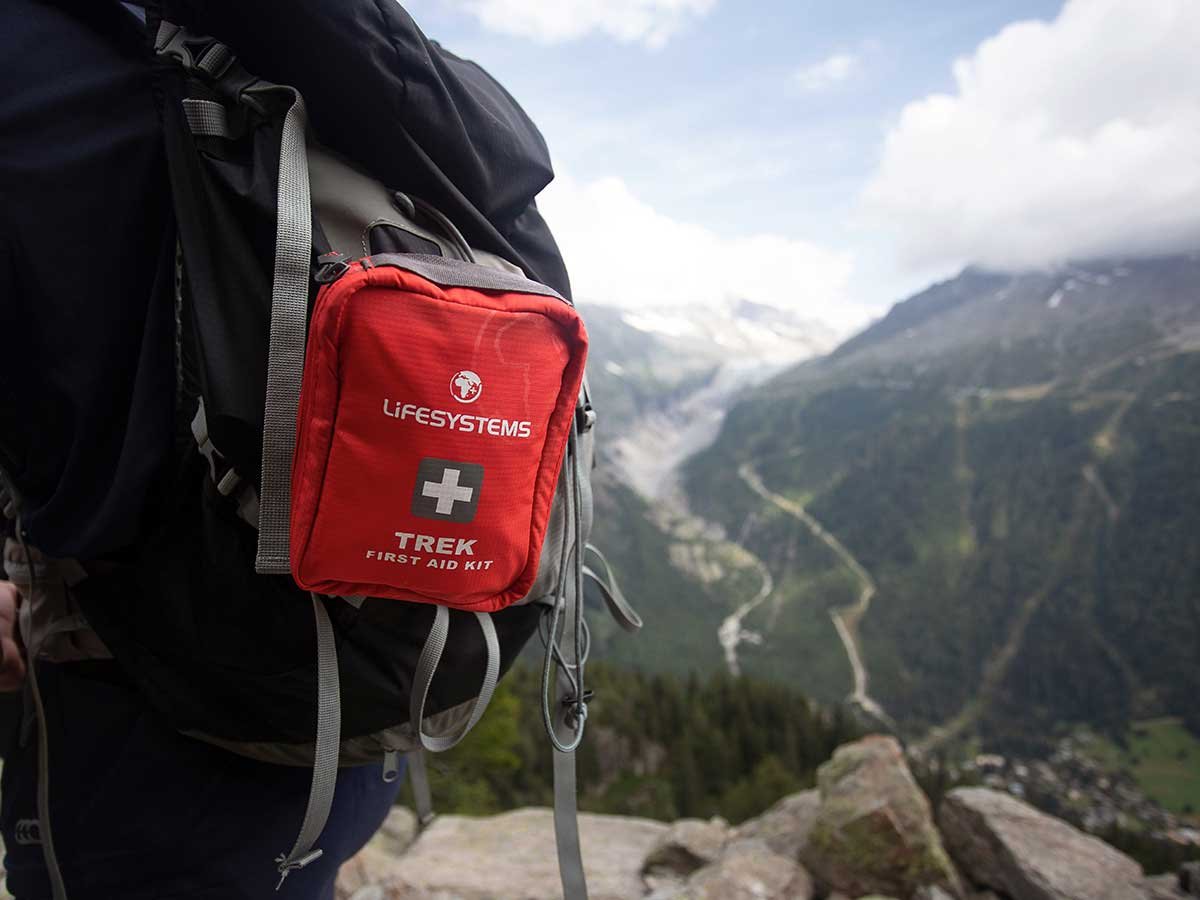
Spending time in the great outdoors is great for both your physical and mental health, but the odd bump, blister or graze is inevitable! While most of us are wise enough to make sure we’re always carrying a first aid kit with us, would you know what to do with it in the event of an injury?
We chatted with First Aid Expert, Jake Wiid, from Strong Roots Training and he shared easy ways to treat these 5 common outdoor injuries with us:
Bleeding
It is unlikely you will sustain a serious cut in the hills, but it may happen from some barbed wire, a sharp rock or cutting malt loaf with your swiss army knife. Most bleeds that you will have to deal with as a first aider are minor and will not involve a life-threatening amount of blood loss. The three main types of bleed are arterial, vein and capillary. If there is an arterial bleed this requires lots of pressure and immediate medical attention so call 999/112.
For the other types, the treatment is more simple. For most bleeds, pop your medical gloves on and give the cut a wash with water from your water bottle, or water from a clean running stream, check there are no embedded objects (if there is, leave them in), then apply direct pressure and finish with a sterile dressing. Raising the limb will reduce the blood flow to the area. If there is an embedded object in the wound, apply the dressing and pressure around the object and not on it.
The sight of blood isn’t for everyone so if someone is feeling faint, dizzy or sick, lie them down and raise their legs.
Burns
Many of us carry hot drinks in a flask or even a small stove to make a brew. If you do burn yourself while out on the hills, dealing with it can be tricky. The easiest option is to carry burns dressings in your first aid kit. If you do not have these with you, you need to locate clean and cold, running water and should run your burn under cold water for 20 minutes (or as long as possible if you are in short supply of water). For many, the clean water available may only be what’s in your water bottle and as the burn is likely to be superficial, cooling the area in a stream or river may be the better option to ensure you have enough water for the journey back.
Sprains, strains and broken bones
This is a more likely injury to sustain whilst walking in the hills. Often we can just ‘walk it off’, but if you’ve seriously injured your leg or ankle, this may do more damage in the long-term. In this scenario, our priority is to isolate or immobilise the injured limb. For example, using a scarf to tie one leg to the other (above and below the injury) and calling for assistance. If you are not too far from a road or track and you are with friends, you could be supported to make your way to a road to get some medical support. If it is a suspected break, do not attempt to move, instead immobilise the injury and call for help. In colder weather, it’s important to ensure the casualty is kept warm.
Heat Exhaustion or Hypothermia
Enjoying the outdoors in very warm or very cold weather does pose greater risks. First up, always ensure you are appropriately dressed and hydrated but be aware that there is still a risk of suffering from Heat Exhaustion or Hypothermia.
The symptoms of heat exhaustion include a high body temperature (between 38 and 40oC) that you are struggling to control, sweating, lack of a healthy skin tone, nausea and possibly even cramps. If you or a friend is suffering from these symptoms follow these steps. Move the casualty to a cool shaded location, sit or lay them down and remove any excess clothing. Give them sips of cool fluids (no alcohol or caffeinated drinks) and moisten the skin to aid the sweating process while fanning them if possible. Monitor them carefully and if their temperature doesn't return to normal, call 999.
At the opposite end of the scale, if the body temperature drops more than 2 degrees below its normal, temperature, mild hypothermia may set in. This may happen if someone is in wet clothes, falls into cold water, is outside in bad weather and can even happen indoors with poor heating and poor health. Symptoms include shivering, feeling cold to touch, a lack of coordination, slurred speech and even appearing drunk. Read More...