A Positive Psychologist Shares The 3 Most Common Myths About Self-Help
-
 Loading...
 - Maeva Claude
- 02 Sep 2022
- 75 Views
- 0 Like
- 0 Comment
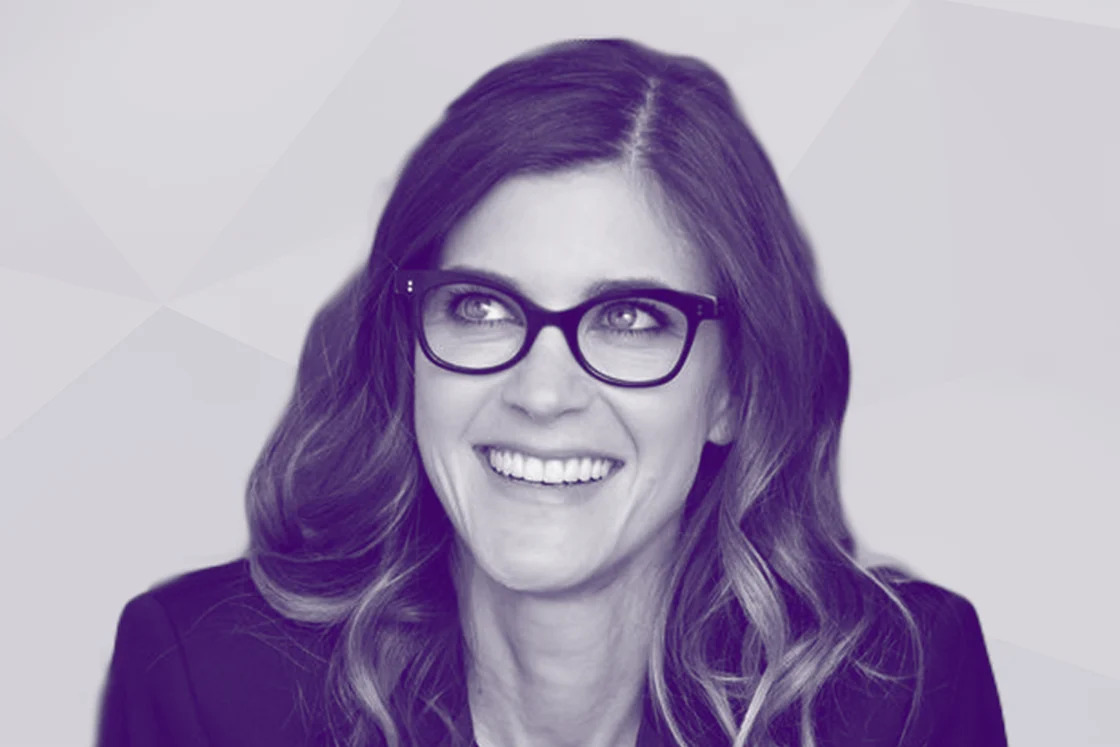
When you think about personal growth, you might imagine a stack of self-help books sitting on a bedside table, with buzzy, feel-good titles plastered on the front covers. But according to developmental psychologist Sasha Heinz, Ph.D., who is an expert in behavioral change and positive psychology, self-help isn't all about feeling good and ignoring the past; in fact, self-help is often about acknowledging life's challenges and believing in what's possible moving forward. It's not "fluffy" or "frivolous." It's universal, and it's real.
On this episode of the mindbodygreen podcast, Heinz walks us through what we're still getting wrong about self-help and happiness—find the three biggest myths below.
Myth 1: Positive vibes only.
"People [think] this self-development work is cheesy or it's about good vibes only," Heinz says. "That is so untrue." In fact, a positive-only mindset actually won't get you anywhere. Of course, believing in yourself and hunting for the good in people is important, but according to Heinz, your pessimism also plays a role.
"Dream big, and then brush that dream up against cold, hard reality," she notes. "Maybe it's your skill set, the current climate, resources, or whatever it is… Use a strategic mindset and say, 'These are the obstacles. How am I going to overcome these?'" Planning for what potentially is not going to work makes you more likely to accomplish the goal, as opposed to staying in an optimistic fantasy.
That's not to say optimism isn't important—you should definitely focus on optimism before launching into a pessimistic mindset. But "if you really want to make that dream into a reality, your pessimism is on your side," says Heinz. "That little bit of tension or inner friction is actually important because it activates us to take action. It makes us do something."
Myth 2: Some people just aren't into self-help.
Some people may be more drawn to self-help books than others, but according to Heinz, self-development is not a personality trait. "We pretend it's like, 'This person is into it, and this person isn't,' [but] we're all in this process of growth and development," she says. "We all fundamentally agree that children develop—so do adults."
We encourage children to constantly develop and give them the tools they need to succeed, and that shouldn't stop once we hit a certain age. "What if we lived our adult life like that, too?" poses Heinz. "That is our great task in life, to continue to grow in the same way kids do in childhood." If you're not growing, you're stalling, and you may start to feel stuck. Read More...