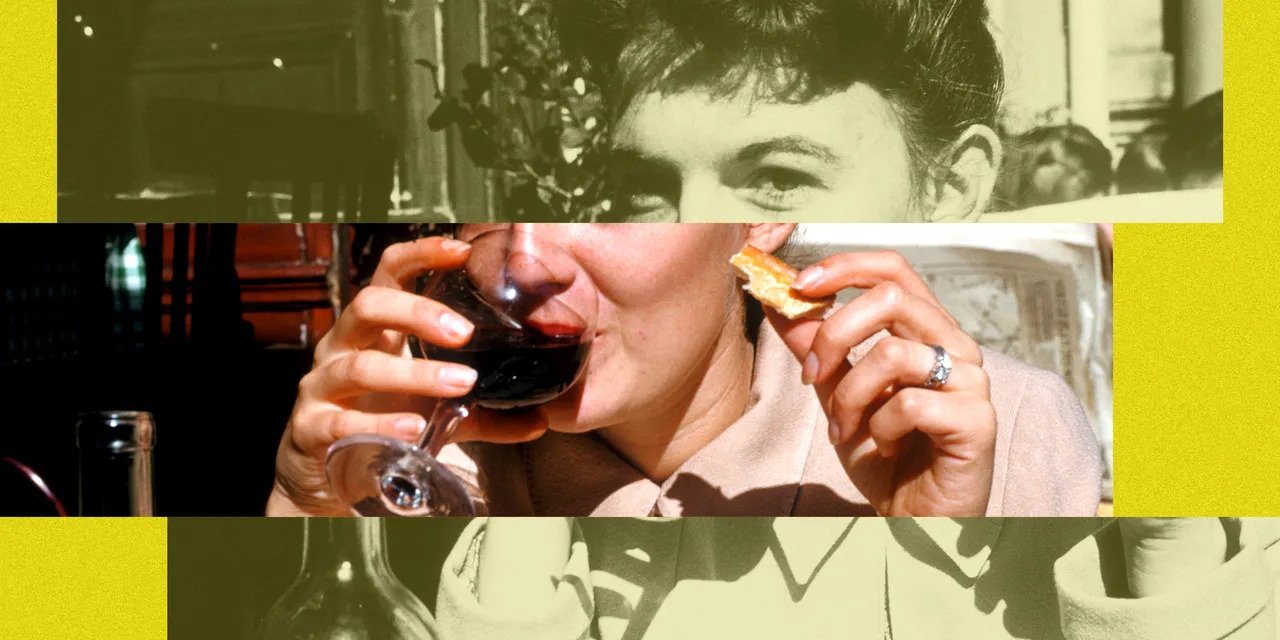
The Myth That ‘French Women Don’t Get Fat’ Is Both Wrong and Harmful
-
 Loading...
 - Zahra Botros
- 23 Mar 2023
- 61 Views
- 0 Like
- 0 Comment
It’s time to lay this insidious idea to rest once and for all.
I was six years old the first time I used “fat” as an insult. Though I now know it isn’t a bad word, I didn’t at the time. It didn’t take me long growing up in France to internalize the country’s rampantly fatphobic culture and weaponize it against a peer. By the time I was a teen, I had embarked on my first diet, kicking off a decade of disordered relationships with both my own body and the food on my plate.
Experiences like mine aren’t unique to France—far from it—but the very French insistence on thinness is so insidious that it has somehow gotten exported en masse to other Western countries—including to the US and the UK, the two places I’ve lived in since I left France at 17. In these places, women’s lifestyle magazines have long purported to teach their readers how to be more like this fabled French woman, the one who—as writer Mireille Guiliano so unhelpfully put it in the title of her 2004 best-selling book, French Women Don’t Get Fat—is allegedly forever thin.
During my university and postgraduation years in Los Angeles and London, American and British women were increasingly being told they should be more like this impossibly, effortlessly thin person (yet another sneaky iteration of garden-variety diet culture). As I absorbed these messages, the very same lessons I’d learned about my own body growing up were reinforced—namely, that it wasn’t good enough as it was.
Though I still have days when my own anti-fat bias rears its ugly head, I consider myself recovered from disordered eating now, close to 11 years after I first left my home country. Here’s what I’ve learned along the way about the warped messages I was sold about women’s bodies, including the ridiculous and deeply harmful idea that we should all try to look like this mythical French girl. Read More…