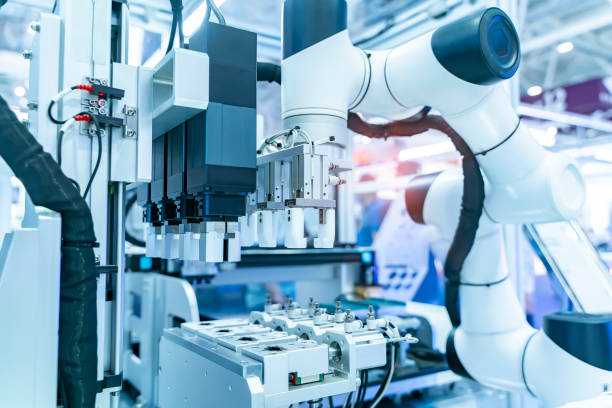
Automated Laboratory Equipments: 5 Problems You Could Face
-
 Loading...
 - Pauline Roussel
- 12 May 2023
- 71 Views
- 0 Like
- 0 Comment
Automated laboratory equipment is a type of technology that can help to streamline processes and improve efficiency in a laboratory. It can be used to automate tasks such as sample preparation, analysis, and data management. However, like any technology, automated laboratory equipment can come with its own set of problems. In this article, we'll take a look at some of the common problems you could face when using automated laboratory equipment, and what you can do to avoid them.
Before we dive into the potential problems of automated laboratory equipment, let's take a moment to talk about some of the benefits it can offer. Here are just a few examples:
- Increased efficiency: Automated laboratory equipment can help to streamline processes, which can save time and improve productivity.
- Improved accuracy: Automation can reduce the risk of human error, which can lead to more accurate and reliable results.
- Cost savings: Automated equipment can often be more cost-effective in the long run, as it can reduce the need for manual labor and increase productivity.
The Problems You Could Face
While there are many benefits to using automated laboratory equipment, there are also some potential problems that you could face. Here are five of the most common:
1. Technical Issues
Automated laboratory equipment relies on complex technology, which can sometimes malfunction or break down. This can lead to delays in testing and data analysis, which can be frustrating and costly.
2. Compatibility Issues
Not all automated laboratory equipment is compatible with every type of sample or assay. This can be a problem if you need to use different types of equipment for different tests, as it can lead to a lack of consistency and accuracy.
3. Maintenance Requirements
Automated laboratory equipment often requires regular maintenance to keep it functioning properly. This can be time-consuming and costly, and if maintenance is not carried out correctly, it can lead to further problems down the line.
4. Training Requirements
Using automated laboratory equipment requires specialized training, as it involves working with complex technology and software. This can be a challenge for some staff members, especially if they are not familiar with the equipment or have limited experience with technology.
5. Data Security Issues
Automated laboratory equipment can generate large amounts of data, which can be vulnerable to security breaches. This can be a serious problem, especially if the data is sensitive or confidential.
How to Avoid These Problems
While it's impossible to completely eliminate the potential problems of using automated laboratory equipment, there are some steps you can take to minimize the risk. Here are a few examples:
- Invest in high-quality equipment: High-quality automated laboratory equipment is less likely to malfunction or break down, which can help to minimize delays and downtime.
- Choose compatible equipment: Make sure that the automated laboratory equipment you choose is compatible with the samples and assays you need to test.
- Schedule regular maintenance: Regular maintenance can help to keep your automated laboratory equipment functioning properly and reduce the risk of breakdowns or malfunctions.
- Provide training for staff: Make sure that all staff members who will be using the automated laboratory equipment receive comprehensive training, so they feel confident and competent in their roles.