Tanzania’s Laboratory accreditation marks giant strides in the elimination of Measles and Rubella
-
 Loading...
 - Judith Masika
- 23 Sep 2024
- 48 Views
- 0 Like
- 0 Comment
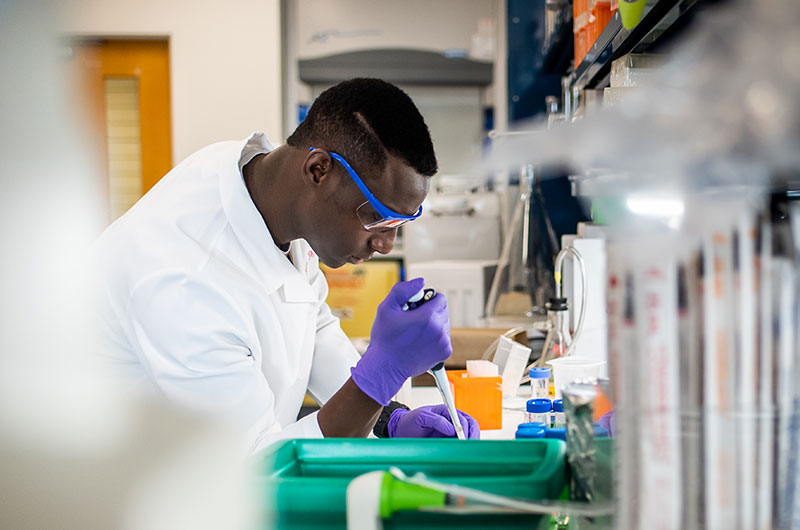
Tanzania's National Public Health Laboratory (NPHL) has achieved full accreditation for measles and rubella testing, marking a pivotal step in the country's efforts to eliminate these diseases. This accreditation allows the NPHL to independently conduct and report tests, placing it among the World Health Organization's (WHO) laboratory network.
The WHO, with support from the Centers for Disease Control and Prevention (CDC) and the Uganda Virus Research Institute (UVRI), confirmed this achievement during an onsite assessment. Dr. Charles Sagoe Moses, the WHO Country Representative, praised the lab's success, calling it a significant advancement in Tanzania's commitment to eliminating measles and rubella. He highlighted the WHO's ongoing support through training, technical assistance, and financial backing.
Before the COVID-19 pandemic, Tanzania's NPHL had already attained ISO 15189:2012 accreditation from SADCAS, which enhanced its diagnostic capabilities. However, the pandemic temporarily reduced testing due to staff redeployments. Despite this setback, Tanzania focused on rebuilding its lab infrastructure, improving measles and rubella testing through collaboration with global health organizations like WHO, CDC, UVRI, and others.
By 2021, 10 laboratory scientists had been trained in serology testing and data management, leading to significant improvements. Between 2022 and 2024, the NPHL further advanced its capabilities, successfully implementing molecular characterization, genotyping, and sequencing for over 60 measles samples, contributing to the WHO Global Measles and Rubella Laboratory Network.
Dr. Charles Byabamazima, WHO's Coordinator for East and Southern Africa, praised Tanzania's efforts, calling the country's advancements a "powerful example for the world." The NPHL was also honored with the Measles & Rubella Partnership Champion Global Award for its leadership in advancing measles epidemiology and improving surveillance efforts.
Mr. Ambele Mwafulango, NPHL Laboratory Manager, expressed pride in the achievement, emphasizing the importance of high-quality laboratory testing in supporting a robust surveillance system capable of detecting both endemic and imported cases.