Book Review: Sadness, a never ending story
-
 Loading...
 - Lucas Moreau
- 19 Sep 2022
- 90 Views
- 0 Like
- 0 Comment
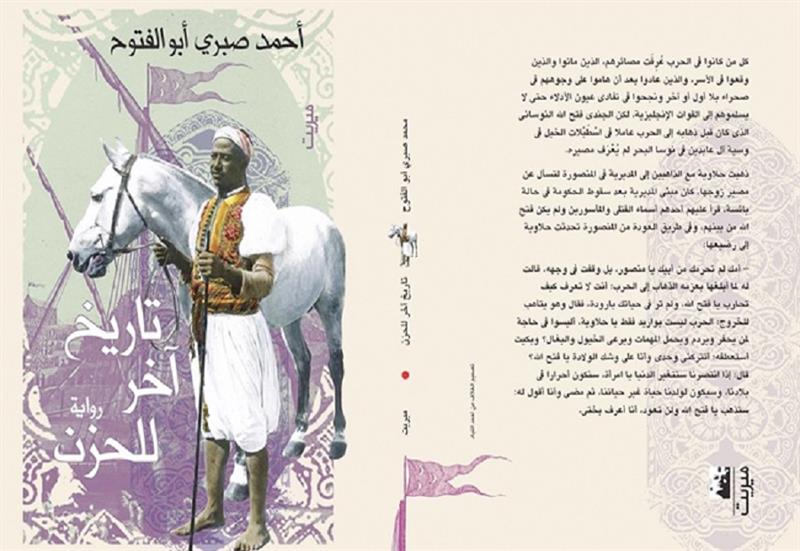
It is rare that we find a novel that compels the reader to keep wishing to get the end, while at the same time not wanting the story to end. Ahmed Sabry Aboul-Fottouh achieved just this with his latest novel Tarikh Akhar Lel Hozn (“Another History of Sadness”). It is simply a page turner.
The novel is a saga following in the footsteps of Upstairs Downstairs, the famous British series screened in the 1970s. But the difference between the two is vast. The British series shows the servants’ lives under the so-called “noble” class of the Empire while the novel shows the servitude of the Egyptians peasantry under the landowners. The latter actually owned the land and those who lived on it, feudalism in its worst.
The novel starts with an awful, heart breaking and dark story that took place after the defeat of the Oraby Revolution (1879-1882). The British occupation forces decide to punish all the villages that supported the rebellion. The poor villagers of Nawasa El-Bahr escape their village, but figure that the British forces will eventually find them as their movement is slowed by women and children. The news about the brutality, torture and killing applied by the Brits towards the other villages they punished leads to the realisation among the villagers of the futility of any resistance.
An idea comes to Halaweya, a woman whose husband went to fight with the rebels and never returned, that they should hide in the Palace of the Arslan family or El-Saraya. Sheikh Hassanien El-Lahfa the mosque’s imam, executes the plan perfectly and the trick works. The British forces are not able to detect the hiding villagers. The price was the life of Halaweya and the imam, who are tortured to death in a scene that hurts the heart of any reader. The torture keeps going with no remorse or hesitation from those carrying it out, the predators wearing the uniforms of the British army.
This type of beginning, combined with the title, would normally prepare the reader for a painful depressing read and if it was not for the narration, the interesting characters, the stimulating events and the wish to discover how the events will unravel, the reader would have hated every word in it.
For the avid reader, this is the type of novel that requires a chart to understand the relations between the characters, how they are related to each other and to the various events. The tragedies and the injustices accompanying each character intertwined with the complex confusing events add to the beauty of the novel. The writer skillfully moves through time, occurrences and characters in a smooth, attractive style that kept the reader interested until the final episode.
The main character is Moungui Arslan, the great grandson of the original owner of the land, the palace and many other properties in Cairo and Mansoura. The one guiding him through his family history, Maali, is the granddaughter of one of his family servants. The writer explains the history of each of them. Moungui, through absolute coincidence and various deaths in his family, inherits all his family property, money but has no heir.
Without knowing the details of his family’s history of oppression and tyranny towards the villagers who live on the land, Moungi takes the side of the unprivileged. He loves Nasser, whom his father hated with a passion. The late president nationalised a lot of the family property, abolished the political parties in the new republic; he simply made decisions that hurt the family’s political influence and wealth. Despite his believe in Nasser’s regime, Moungi is imprisoned several times for his political activities during the Nasser and Sadat eras.
He takes the side of the marginalised and the poor, refusing to participate in the corruption that leads to various injustices and military defeats, which distinguishes him from his father and his family.
Maali, on the other hand, is one of those marginalised people, a descendant of the servants of the Arslan family. She is a servant-turned-prostitute possessing rare intelligence that allows her to enter Moungui’s life, first as a servant then a concubine. She seduces him, loves him and is cruel in explaining his history and hers to him. She holds the stories of the El-Saraya in her memory; she knows the settings, the decorations, the scandals and the name of each servant or employee, the masters and their history and the events that occurred, both good and bad. The inherited history was told to her by her mother and grandmother who both lived and suffered in servitude of the Arslan family.
She is fascinated by the palace and hurt by its history at the same time. Their relationship is a vague, complex love story that leaves the reader wondering how it will end. Will it fully develop, or will it fail?
The story that looks like an Oedipus complex is the story of Moungi’s own mother. She is forced at the age of seventeen to marry his father, who owns nearly everything in Nawasa El-Bahr, while in love with his half-brother Hafez from his father’s first wife. No one can refuse him, it is an order disguised in the form of a marriage request. A terrible secret to know and a heavy burden to carry; that love story does not manifest itself in any form other than some love letters between them, but when the father marries the young woman, Hafez vanishes from the life of his family.It is rare that we find a novel that compels the reader to keep wishing to get the end, while at the same time not wanting the story to end. Ahmed Sabry Aboul-Fottouh achieved just this with his latest novel Tarikh Akhar Lel Hozn (“Another History of Sadness”). It is simply a page turner.
The novel is a saga following in the footsteps of Upstairs Downstairs, the famous British series screened in the 1970s. But the difference between the two is vast. The British series shows the servants’ lives under the so-called “noble” class of the Empire while the novel shows the servitude of the Egyptians peasantry under the landowners. The latter actually owned the land and those who lived on it, feudalism in its worst.
The novel starts with an awful, heart breaking and dark story that took place after the defeat of the Oraby Revolution (1879-1882). The British occupation forces decide to punish all the villages that supported the rebellion. The poor villagers of Nawasa El-Bahr escape their village, but figure that the British forces will eventually find them as their movement is slowed by women and children. The news about the brutality, torture and killing applied by the Brits towards the other villages they punished leads to the realisation among the villagers of the futility of any resistance.
An idea comes to Halaweya, a woman whose husband went to fight with the rebels and never returned, that they should hide in the Palace of the Arslan family or El-Saraya. Sheikh Hassanien El-Lahfa the mosque’s imam, executes the plan perfectly and the trick works. The British forces are not able to detect the hiding villagers. The price was the life of Halaweya and the imam, who are tortured to death in a scene that hurts the heart of any reader. The torture keeps going with no remorse or hesitation from those carrying it out, the predators wearing the uniforms of the British army.
This type of beginning, combined with the title, would normally prepare the reader for a painful depressing read and if it was not for the narration, the interesting characters, the stimulating events and the wish to discover how the events will unravel, the reader would have hated every word in it.
For the avid reader, this is the type of novel that requires a chart to understand the relations between the characters, how they are related to each other and to the various events. The tragedies and the injustices accompanying each character intertwined with the complex confusing events add to the beauty of the novel. The writer skillfully moves through time, occurrences and characters in a smooth, attractive style that kept the reader interested until the final episode.
The main character is Moungui Arslan, the great grandson of the original owner of the land, the palace and many other properties in Cairo and Mansoura. The one guiding him through his family history, Maali, is the granddaughter of one of his family servants. The writer explains the history of each of them. Moungui, through absolute coincidence and various deaths in his family, inherits all his family property, money but has no heir.
Without knowing the details of his family’s history of oppression and tyranny towards the villagers who live on the land, Moungi takes the side of the unprivileged. He loves Nasser, whom his father hated with a passion. The late president nationalised a lot of the family property, abolished the political parties in the new republic; he simply made decisions that hurt the family’s political influence and wealth. Despite his believe in Nasser’s regime, Moungi is imprisoned several times for his political activities during the Nasser and Sadat eras.
He takes the side of the marginalised and the poor, refusing to participate in the corruption that leads to various injustices and military defeats, which distinguishes him from his father and his family.
Maali, on the other hand, is one of those marginalised people, a descendant of the servants of the Arslan family. She is a servant-turned-prostitute possessing rare intelligence that allows her to enter Moungui’s life, first as a servant then a concubine. She seduces him, loves him and is cruel in explaining his history and hers to him. She holds the stories of the El-Saraya in her memory; she knows the settings, the decorations, the scandals and the name of each servant or employee, the masters and their history and the events that occurred, both good and bad. The inherited history was told to her by her mother and grandmother who both lived and suffered in servitude of the Arslan family. Read More...