Camping in Norway: Your Complete Guide to a Norwegian Camping Trip
-
 Loading...
 - Lynne Jameson
- 15 Mar 2022
- 391 Views
- 0 Like
- 0 Comment
Are you an outdoor enthusiast? If so, Norway has to be one of the world’s top choices. Well-maintained hiking trails give easy access to incredible scenery, birdwatching opportunities and the chance to immerse yourself in Norwegian friluftsliv.
One of the best aspects of Norway’s outdoor life is the proximity of hiking trails to all major cities, even Oslo. This makes short hikes and day trips a breeze, no matter where you're staying.
But to make the most of the outdoor opportunities Norway offers, staying far away from the cities is a must. While there are some hotels, camping in Norway is a cheaper, more flexible alternative.
Of course, camping in Norway can be intimidating for beginners. So we’ve pulled together this guide to the rules of wild camping, best campsites, plus other tips, tricks and advice to make planning your trip a breeze.
Campsites v Wild camping
The first choice you’ll have to make is what kind of camping trip you’re looking for.
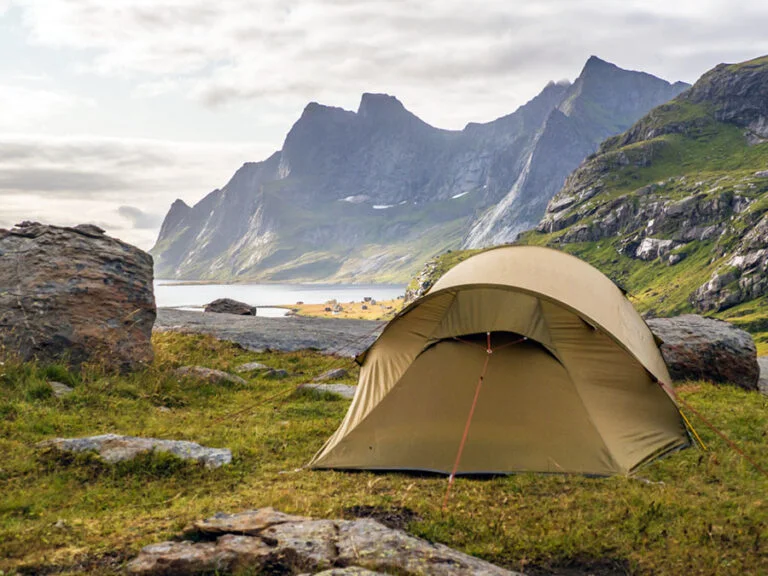
Norway offers everything from full-service mountain lodges and cabins with kitchens and running water through to campsites with varying standards of facilities and even the opportunity to camp alone in the wilderness.
Staying on a campsite
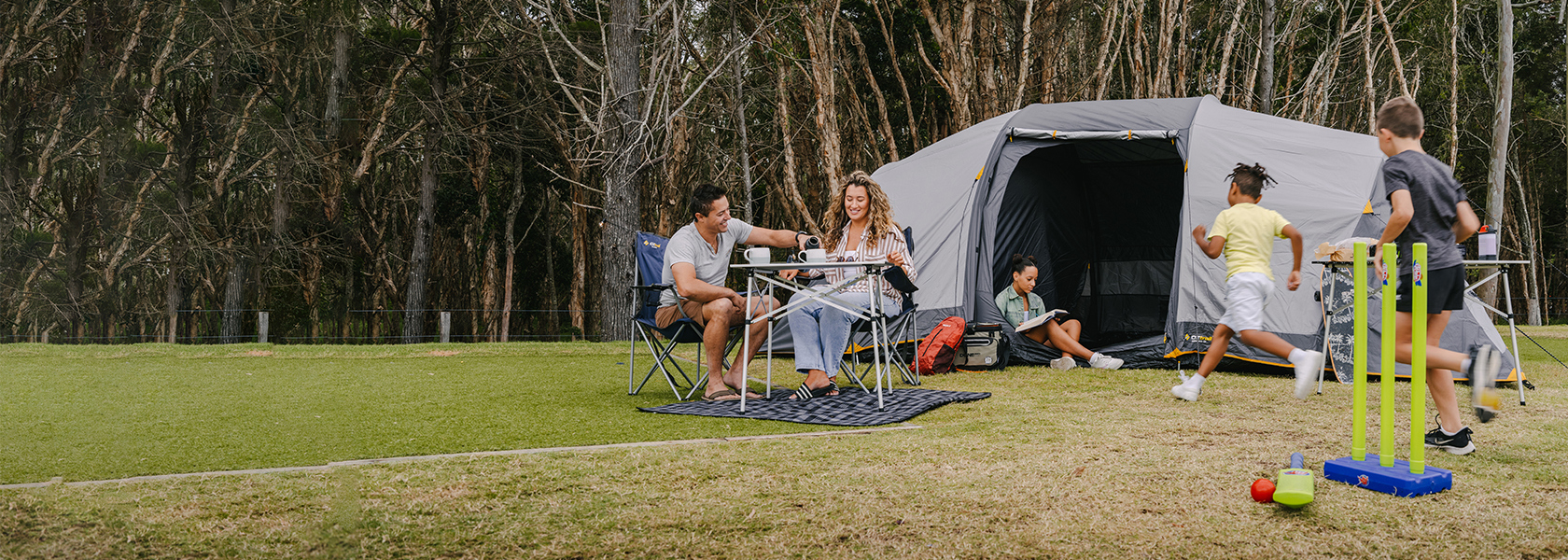
Norway has dedicated campsites that offer good facilities for those looking to pitch their own tent or park their motorhome.
Typically, this includes kitchen facilities, bathrooms and showers, access to power and fresh water, and sometimes a small shop and cafe.
Many campsites also offer small cabins for rent. These often but not always include a small kitchenette.
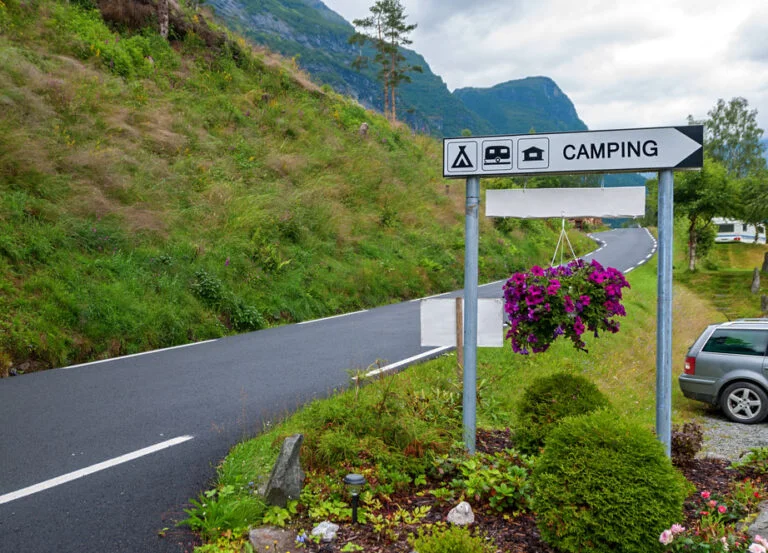
But the more adventurous out there may prefer a fantastic option offered by Norway: wild camping.
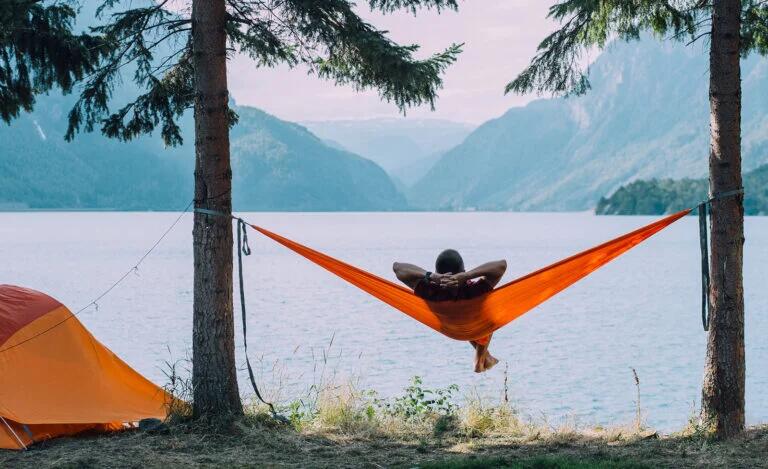
Wild camping in Norway
Norway’s right to roam law gives anyone the right to access public land, including for overnight camping:
There are some limitations, but as long as you’re respectful of nature, wild camping is a fantastic way to keep the costs down while enjoying the very best outdoor experiences.
Just bear in mind that wild camping means few or most likely no facilities. If you’re not an experienced camper, I would advise you choose a campsite.
Right to roam in Norway
So, let’s look in a little more detail at the law that allows wild camping.
The right to roam law allows you full access to public land provided you are respectful to nature and leave no trace behind. In addition, there are two specific rules international visitors should be aware of.
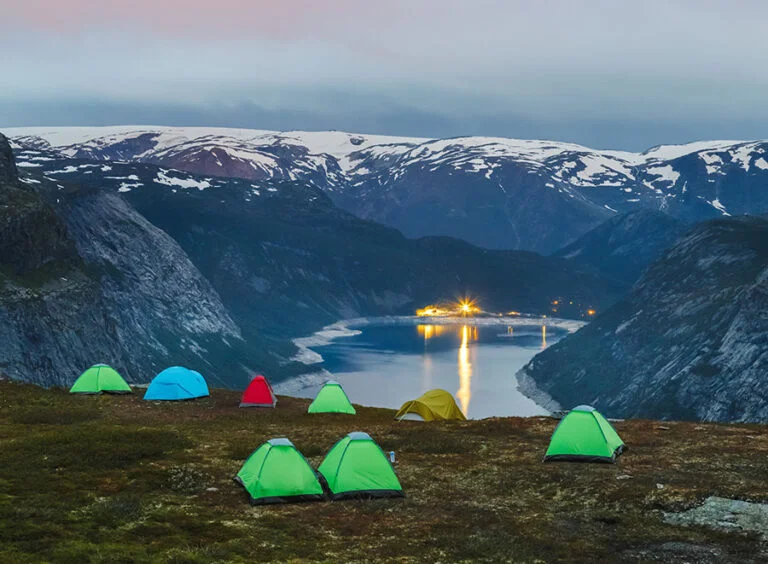
You must stay at least 150 metres away from private property, such as inhabited houses, cabins or private campgrounds. You can also not stay in the same place for more than one night.
Foraging for wild berries and mushrooms is permitted. But if you are inexperienced, you should take special care picking mushrooms to make sure they are not poisonous. Also be aware of specific rules on cloudberries in Northern Norway.
Other important guidelines to check are whether you can build a fire in the specific area you choose. You must also verify it is fully extinguished before moving on. This is especially important in the driest summer months to prevent wildfires.
Camping in a motorhome/RV in Norway
So far, we’ve only talked about the concept of staying overnight in a tent or on a campsite. But you can also camp using a vehicle, of course!
However, while the right to roam law allows visitors to pitch a tent on public land, the same does not apply with a vehicle such as a motorhome or camper van.
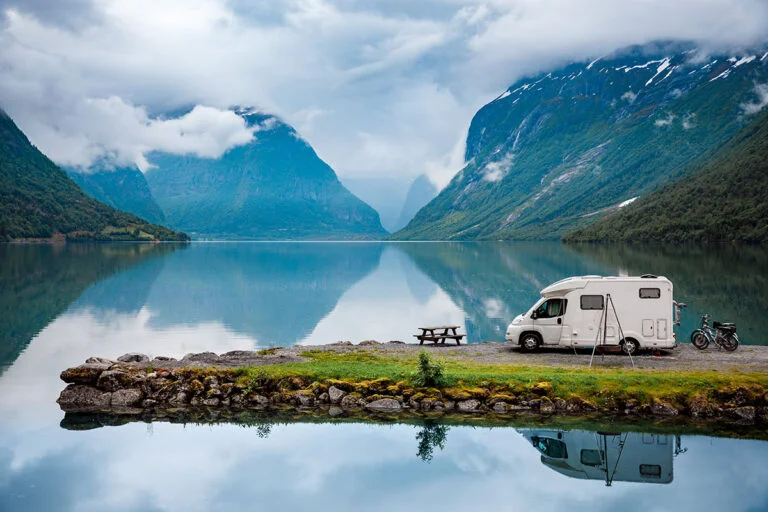
Many car parks have “no camping” signs clearly displayed. If you're unsure, spend a few minutes looking! It will save you some trouble, and a hefty fine.
There are parking spaces and designated campsites for motorhomes and camper vans, some free, some paid. For example, the beautiful town of Risør on Norway's south coast offers a paid parking facility for motorhomes in the town centre.
If you're a keen camper on wheels, there are many, many blogs out there with full guides to Norway. Here's one example. There's also camper van rental companies including Arctic Campers and Cabin Campers. Read More…