Colombia and Guatemala Exchange Strategies for Rainforest Preservation
-
 Loading...
 - Carl Theodor
- 05 Aug 2024
- 57 Views
- 0 Like
- 0 Comment
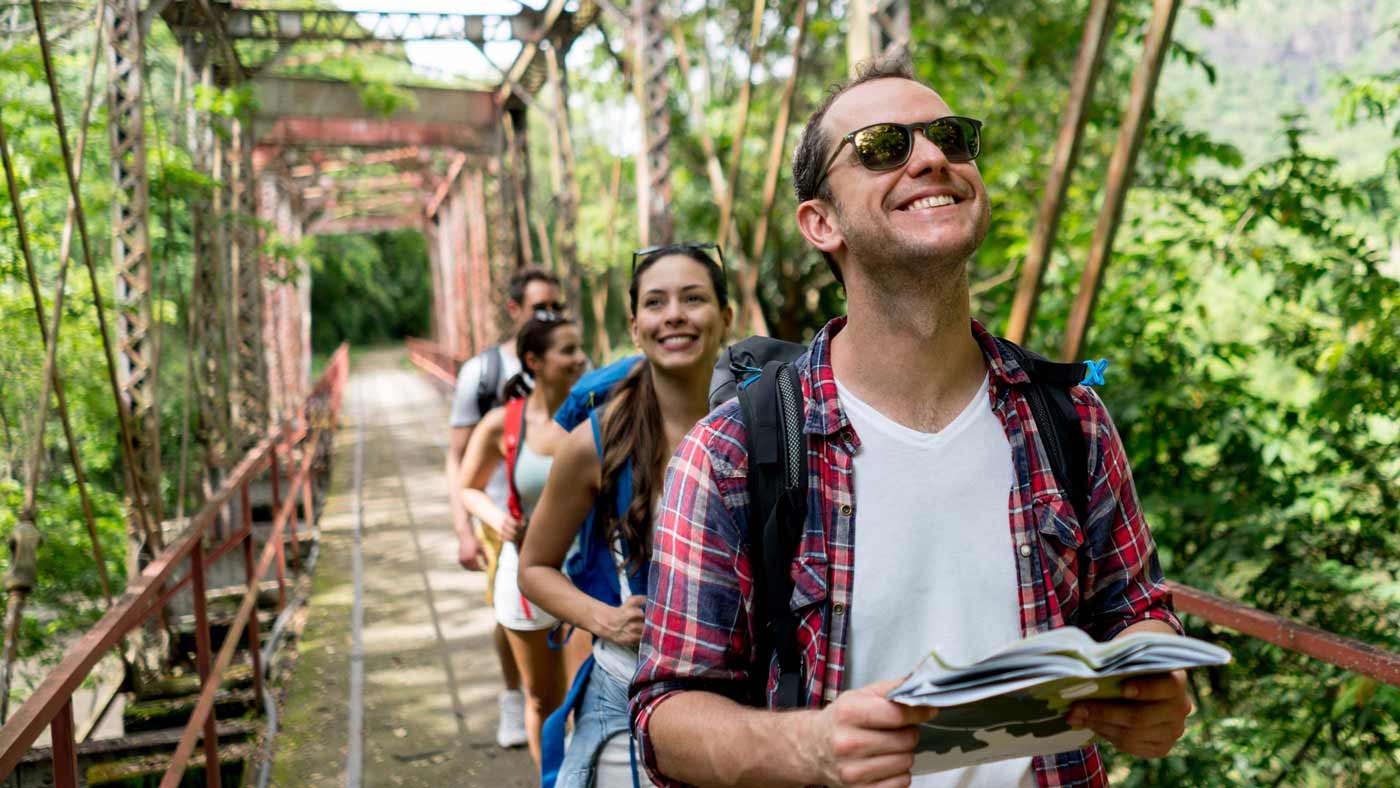
In the verdant expanse of northern Guatemala, within Central America's largest protected area, a cohort of 30 leaders from Colombia's Amazon basin region convenes with ethnic Maya farmers. Their mission: to exchange strategies on sustainable living within the dense forest without inflicting harm.
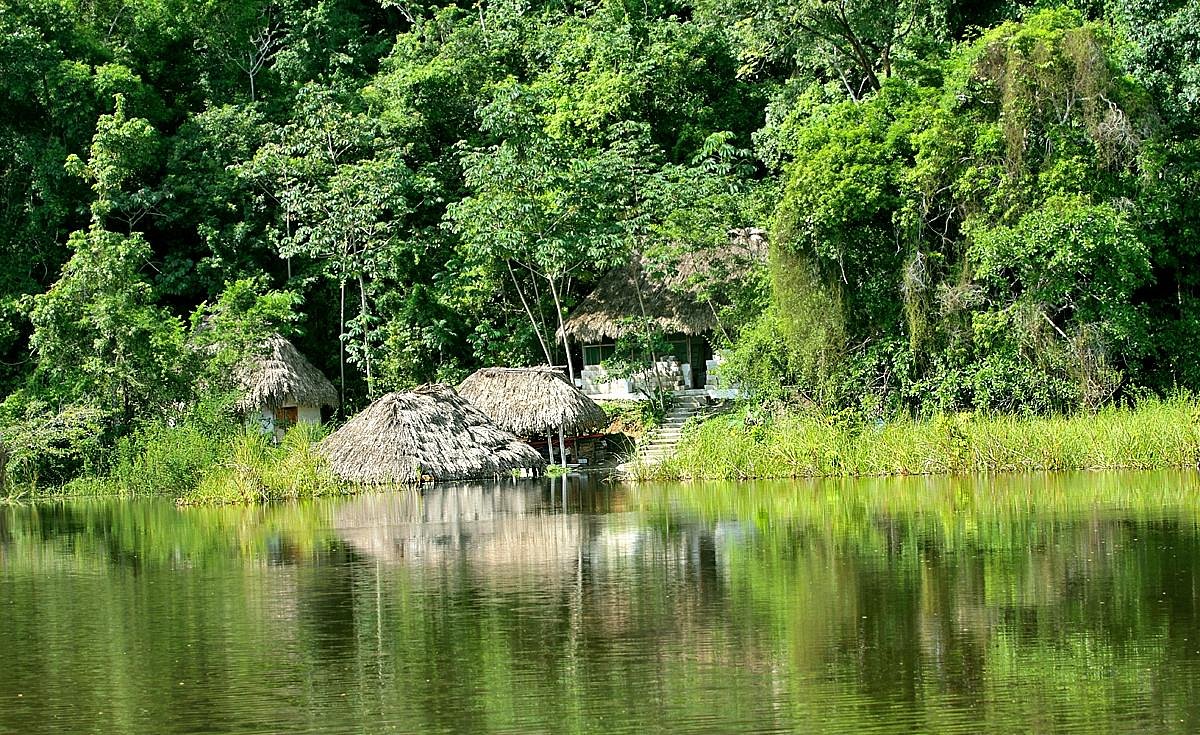
Amidst the towering mahogany and cedar trees of the Maya Biosphere Reserve, the visiting Colombian group engages in dialogues with local farmers about methods to maintain rainforest health. They examine the reserve-type model Guatemala has been cultivating since 1994, focusing on sustainability.
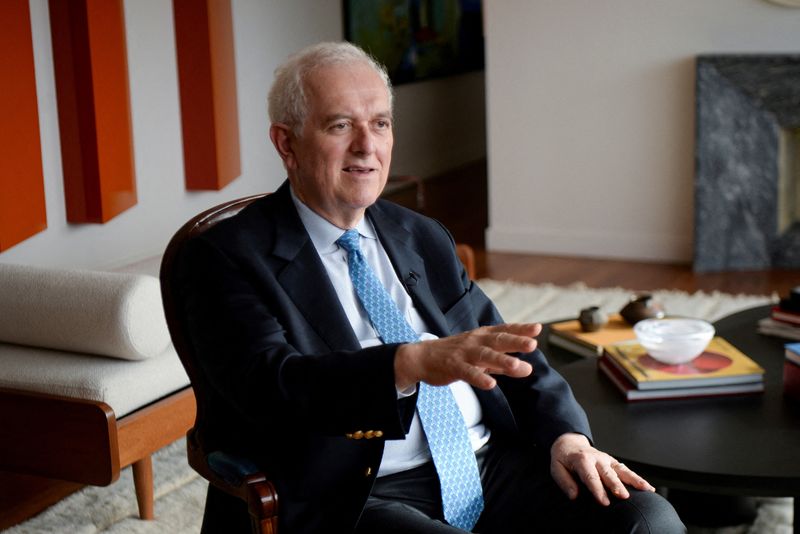
Guatemala's extensive sustainability project strives for a harmonious balance where communities engage in reforestation, controlled timber harvesting, grain and vegetable cultivation, ornamental plant collection, and low-impact tourism development. "That ensures that our communities are getting the economic resources that are also invested here for conservation," explained Sergio Balan, regional director of the National Council of Protected Areas (CONAP), in Melchor de Mencos, near the Belize border.
The Maya Biosphere Reserve, sprawling over 2.1 million hectares (5.2 million acres), borders Mexico and Belize. Annually, its rich biodiversity faces threats from fires, deforestation for agriculture and livestock, and even drug trafficking activities.
This reserve houses hundreds of archaeological sites, including the ancient Mayan city of Tikal, a principal tourist destination in Guatemala. It is within this site that visitors from Colombia's Forest Development and Biodiversity Centers have come to learn. Close to Tikal lies the pre-Hispanic park of Uaxactun, where both groups participated in a traditional Mayan ceremony featuring a fire fueled by candles and tree resin.
The exchange underscores a commitment to environmental stewardship, demonstrating how two nations can collaborate to safeguard their precious rainforests while fostering sustainable development for their communities.