Home Upload Photo Upload Videos Write a Blog Analytics Messaging Streaming Create Adverts Creators Program
Bebuzee Afghanistan Bebuzee Albania Bebuzee Algeria Bebuzee Andorra Bebuzee Angola Bebuzee Antigua and Barbuda Bebuzee Argentina Bebuzee Armenia Bebuzee Australia Bebuzee Austria Bebuzee Azerbaijan Bebuzee Bahamas Bebuzee Bahrain Bebuzee Bangladesh Bebuzee Barbados Bebuzee Belarus Bebuzee Belgium Bebuzee Belize Bebuzee Benin Bebuzee Bhutan Bebuzee Bolivia Bebuzee Bosnia and Herzegovina Bebuzee Botswana Bebuzee Brazil Bebuzee Brunei Bebuzee Bulgaria Bebuzee Burkina Faso Bebuzee Burundi Bebuzee Cabo Verde Bebuzee Cambodia Bebuzee Cameroon Bebuzee Canada Bebuzee Central African Republic Bebuzee Chad Bebuzee Chile Bebuzee China Bebuzee Colombia Bebuzee Comoros Bebuzee Costa Rica Bebuzee Côte d'Ivoire Bebuzee Croatia Bebuzee Cuba Bebuzee Cyprus Bebuzee Czech Republic Bebuzee Democratic Republic of the Congo Bebuzee Denmark Bebuzee Djibouti Bebuzee Dominica Bebuzee Dominican Republic Bebuzee Ecuador Bebuzee Egypt Bebuzee El Salvador Bebuzee Equatorial Guinea Bebuzee Eritrea Bebuzee Estonia Bebuzee Eswatini Bebuzee Ethiopia Bebuzee Fiji Bebuzee Finland Bebuzee France Bebuzee Gabon Bebuzee Gambia Bebuzee Georgia Bebuzee Germany Bebuzee Ghana Bebuzee Greece Bebuzee Grenada Bebuzee Guatemala Bebuzee Guinea Bebuzee Guinea-Bissau Bebuzee Guyana Bebuzee Haiti Bebuzee Honduras Bebuzee Hong Kong Bebuzee Hungary Bebuzee Iceland Bebuzee India Bebuzee Indonesia Bebuzee Iran Bebuzee Iraq Bebuzee Ireland Bebuzee Israel Bebuzee Italy Bebuzee Jamaica Bebuzee Japan Bebuzee Jordan Bebuzee Kazakhstan Bebuzee Kenya Bebuzee Kiribati Bebuzee Kuwait Bebuzee Kyrgyzstan Bebuzee Laos Bebuzee Latvia Bebuzee Lebanon Bebuzee Lesotho Bebuzee Liberia Bebuzee Libya Bebuzee Liechtenstein Bebuzee Lithuania Bebuzee Luxembourg Bebuzee Madagascar Bebuzee Malawi Bebuzee Malaysia Bebuzee Maldives Bebuzee Mali Bebuzee Malta Bebuzee Marshall Islands Bebuzee Mauritania Bebuzee Mauritius Bebuzee Mexico Bebuzee Micronesia Bebuzee Moldova Bebuzee Monaco Bebuzee Mongolia Bebuzee Montenegro Bebuzee Morocco Bebuzee Mozambique Bebuzee Myanmar Bebuzee Namibia Bebuzee Nauru Bebuzee Nepal Bebuzee Netherlands Bebuzee New Zealand Bebuzee Nicaragua Bebuzee Niger Bebuzee Nigeria Bebuzee North Korea Bebuzee North Macedonia Bebuzee Norway Bebuzee Oman Bebuzee Pakistan Bebuzee Palau Bebuzee Panama Bebuzee Papua New Guinea Bebuzee Paraguay Bebuzee Peru Bebuzee Philippines Bebuzee Poland Bebuzee Portugal Bebuzee Qatar Bebuzee Republic of the Congo Bebuzee Romania Bebuzee Russia Bebuzee Rwanda Bebuzee Saint Kitts and Nevis Bebuzee Saint Lucia Bebuzee Saint Vincent and the Grenadines Bebuzee Samoa Bebuzee San Marino Bebuzee São Tomé and Príncipe Bebuzee Saudi Arabia Bebuzee Senegal Bebuzee Serbia Bebuzee Seychelles Bebuzee Sierra Leone Bebuzee Singapore Bebuzee Slovakia Bebuzee Slovenia Bebuzee Solomon Islands Bebuzee Somalia Bebuzee South Africa Bebuzee South Korea Bebuzee South Sudan Bebuzee Spain Bebuzee Sri Lanka Bebuzee Sudan Bebuzee Suriname Bebuzee Sweden Bebuzee Switzerland Bebuzee Syria Bebuzee Taiwan Bebuzee Tajikistan Bebuzee Tanzania Bebuzee Thailand Bebuzee Timor-Leste Bebuzee Togo Bebuzee Tonga Bebuzee Trinidad and Tobago Bebuzee Tunisia Bebuzee Turkey Bebuzee Turkmenistan Bebuzee Tuvalu Bebuzee Uganda Bebuzee Ukraine Bebuzee United Arab Emirates Bebuzee United Kingdom Bebuzee Uruguay Bebuzee Uzbekistan Bebuzee Vanuatu Bebuzee Venezuela Bebuzee Vietnam Bebuzee World Wide Bebuzee Yemen Bebuzee Zambia Bebuzee Zimbabwe
Blog Image

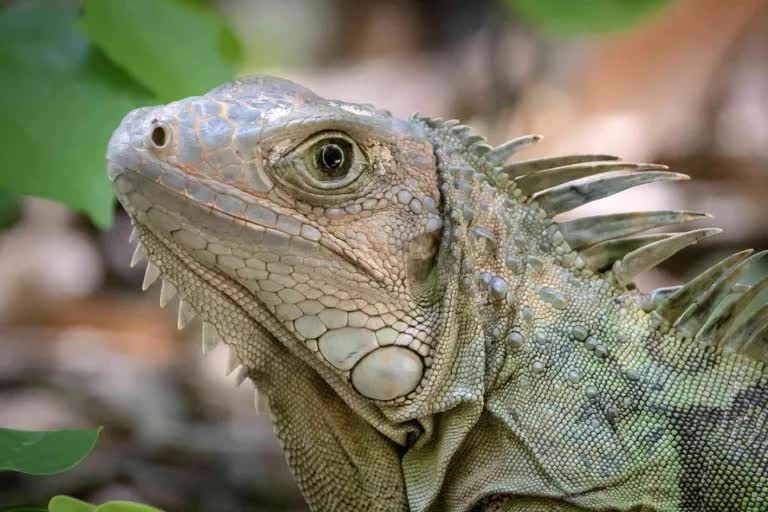
Colombia's green iguana threatened by Easter poaching

Along the road that connects Valledupar with Codazzi, in northwestern Colombia, vendors stand roadside selling bundles of tropical fruit and deep-fried arepas to passing drivers. Along this 48 kilometer stretch of coastal road, crowned by thorn trees of a tropical dry forest, the regional offering is diverse, and some illegal, as species poached from the most representative fauna of the Colombian Caribbean are sold as Easter delicacies.

The green iguana, hicotea turtle and morrocoy are camouflaged in roadside coolers, while their eggs are sold in clusters of one hundred swaying by an arm to catch the attention of drivers. Considered an illegal activity under the country’s environmental laws, and which can result in a long prison sentence, the sale of reptile meat is not exclusive to a road that crosses the department of Cesar – it occurs in almost every town of the costa and tradition that dates back to when many of Colombia’s reptiles were not endangered.

Holy Week in Colombia is a critical time for wildlife conservation, especially for reptiles such as green iguana (Iguana iguana), hicotea turtle (Trachemys callirostris), morrocoy turtle (Chelonoidis carbonaria) and caiman (Caiman crocodylus),” states María Piedad Baptiste of the Humboldt Institute’s Biodiversity Conservation Program, highlighting that three reptiles lead the ranking of the 10 most trafficked wild animals in Colombia, followed by the parakeet, common parrot, cheja parrot, squirrel, gray marmoset, corn monkey and some frogs.

With millions of travelers celebrating Holy Week on the coast, and time of year  food reunites families, the National Police makes huge seizures of iguana eggs  stored in roadside kitchens and cargo holds of inter-municipal buses. To extract  extract the amount of eggs consumed in soups or hard boiled as an appetizer, hundreds of female iguanas are sacrificed every Easter. “Traditions and cultural roots can have a serious impact on biodiversity,” says Hernando García, director of the Humboldt Institute. “The urgency is to celebrate religious dates in a way that is harmonious with our natural resources.”

With a habitat that covers topographically diverse terrains, from dry forests to rainforests, even cities, the green iguana’s population remains vulnerable to extinction. The species mate at the end of the year and spawn between March and April, months that also coincide with Semana Santa. After removing the eggs, the females are often still alive, and on some occasions, hunters fill their bellies with stones and sew them up.

The carcasses of green iguanas are often thrown into mangroves or their meat sold to local vendors. Three eggs can sell for 800 pesos (40 cents) among food merchants. “This nefarious practice of stuffing the bellies of iguanas is frequently seen in places in Córdoba and Sucre. However, some of the hunters only open them, take their eggs and leave them that way until they die,” says Acosta, curator of the Humboldt Institute’s biological herpetology collection.

Even though in 1967, the country’s former conservation entity Inderena passed a decree to protect the green iguana, their eggs and meat continue to be consumed at the table and “compared to the taste of chicken,” states Acosta. The eggs are also considered to be an aphrodisiac. Read More...

Previous Post

Swedish-bred bluewings have made a comeback in the UK

Next Post

International efforts for bat conservation growing

Comments