Conservative Party Leadership Contest 2024: Navigating the Path to New Leadership
-
 Loading...
 - Aziza Hamdy
- 09 Oct 2024
- 46 Views
- 0 Like
- 0 Comment
In the wake of Rishi Sunak's resignation announcement on 5 July, the Conservative Party has embarked on a pivotal leadership contest to determine its new leader. This contest not only marks a significant transition for the party but also sets the stage for its future direction amidst a complex political landscape.
The Conservative Party's leadership election is a structured, two-stage process designed to ensure a thorough selection of the most suitable candidate. Initially, candidates must be sitting Members of Parliament, excluding those who recently lost their seats. The nomination window, which opened on 24 July and closed on 29 July, required each candidate to secure at least 10 nominations, including a proposer and seconder, to advance to the next phase.
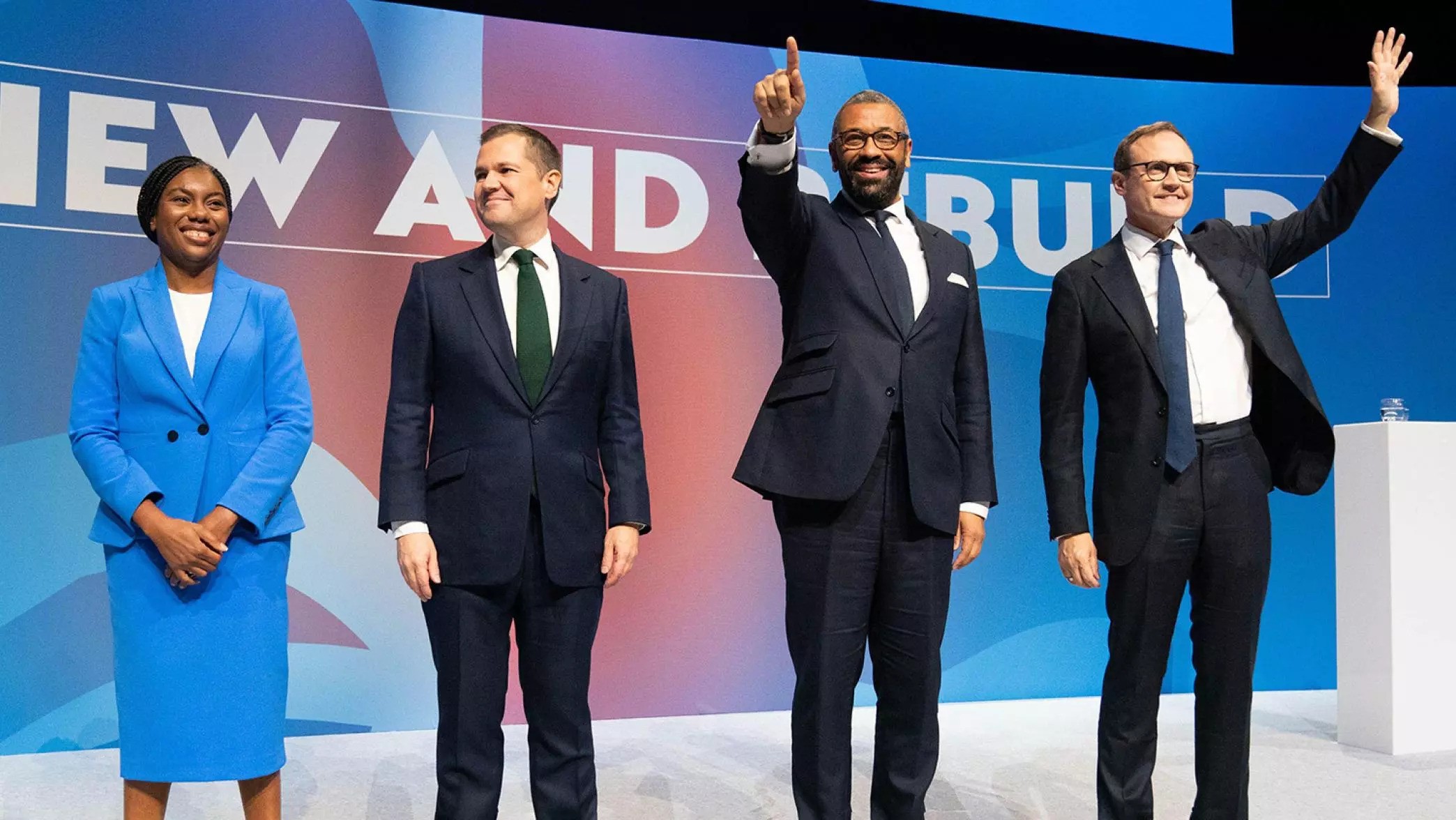
The first stage involves a series of votes by Conservative MPs to whittle down the field of candidates. The initial vote took place on 4 September, followed by a second on 10 September, which narrowed the list to four contenders. These candidates then had the opportunity to present their visions at the Conservative Party Conference from 29 September to 2 October. Subsequent votes on 8 and 9 October further reduced the field to the final two candidates.
In the second stage, the party membership will cast their votes, with the ballot closing on 31 October. Only members with at least 90 days of membership at the time of the ballot opening are eligible to vote. Should one of the final candidates withdraw, the membership vote will be bypassed. The new leader is set to be announced on 2 November.
Meet the Candidates: Diverse Backgrounds and Experience
The leadership race began with six candidates, each bringing a unique blend of experience and vision:
- Kemi Badenoch: MP for Saffron Walden and shadow secretary of state for housing, communities, and local government.
- James Cleverly: MP for Braintree and shadow home secretary, who emerged as a frontrunner in the later stages of voting.
- Robert Jenrick: MP for Newark and former secretary of state for housing and communities, initially leading the early rounds.
- Priti Patel: MP for Witham and former home secretary, eliminated in the first round.
- Mel Stride: MP for Central Devon and shadow secretary of state for work and pensions, eliminated in the second round.
- Tom Tugendhat: MP for Tonbridge and Malling and shadow minister for security, eliminated in the third round.
The voting process has seen dynamic shifts, with Robert Jenrick initially leading the first two rounds before James Cleverly surged to the top in the third round. This shift underscores the competitive nature of the contest and the varied support each candidate commands within the party.
The leadership contest is expected to span 120 days, making it the second-longest race since the introduction of modern rules in 1998. This extended timeline reflects the party's commitment to a comprehensive selection process, ensuring that the new leader is well-equipped to tackle the challenges ahead.
As the Conservative Party navigates this leadership contest, it stands at a crossroads, with the potential to redefine its identity and strategy. The outcome will not only influence the party's future but also shape the broader political landscape in the UK. With the final decision looming, party members and the public alike await the announcement of a leader poised to guide the Conservatives into a new era.