Eat plants, try pilates and stay positive: how to keep your body younger than your years
-
 Loading...
 - Riley Allen
- 31 May 2022
- 304 Views
- 0 Like
- 0 Comment
Who doesn’t want a long and healthy life? Ageing may be non negotiable but how you do it affords some wiggle room. There is, however, no time to lose. Ideally you’d have been getting your health in order before middle age. But it’s never too late to start. Each of us has a chronological age that’s measured in birthday candles. Since every person ages differently we also have a biological age that reflects how old our body really is. This age depends on the relationship between our genes, lifestyle and living conditions. It’s this biological age you can change by doing what I’m about to tell you.
Be positive about it
Over 80% of people say they feel younger than their age. Largely because most societies view ageing negatively, says Dr Serena Sabatini, postdoctoral research associate at the Università della Svizzera Italiana. Her research shows that people who have good role models for ageing, such as active grandparents, age better themselves. “They are less likely to be anxious and more likely to be engaged in life and follow a healthier diet,” says Sabatini. “When people feel more negative about ageing they do little to keep being healthy so they age in a less graceful way.” Personality traits also come into it. “Being more open means you are likely to feel more positive about ageing,” says Sabatini.
My mum, at 98 years old, with no short-term memory, feels positive about her age when reminded of it. “Only two years to go before I’m 100. It’s better than not being around.”
Eat well
“Inflammageing” is what happens to the body as our cells get damaged with age. The end result is chronic inflammation and a batch of health problems. Studies show consistent results in which diets protect us, says Dr Stacey Lockyer, senior nutrition scientist at the British Nutrition Foundation. “Healthy plant-rich dietary patterns, such as the Mediterranean-style diet and the Dietary Approaches to Stop Hypertension (DASH) diet, are associated with reductions in risk of heart disease, type 2 diabetes and some cancers, as well as death from all causes. These diets all have a high intake of plant foods with fruits and vegetables, wholegrain foods, protein including plant-based proteins (pulses, nuts) as well as some fish, seafood, poultry, lean meat and lower-fat dairy products (or dairy alternatives).” These diets eschew processed meat and foods high in saturated fat, sugar and salt (cakes and crisps).
For those of us with a family history of dementia (me) there’s evidence that these diets can also delay cognitive decline by several years.
Don’t bother with supplements
A well-balanced diet means that you don’t need supplements. However, Lockyer points out that the lack of sun in winter has prompted the government to suggest we “consider” daily vitamin D supplements of 10µg from October to March. Vitamin D is needed for bone and muscle health – essential for everything except sitting, which you shouldn’t be doing anyway.
Maybe lose a bit of weight
Lockyer says that if you are obese, “even losing 3% of your body weight can be beneficial in reducing your risk of developing serious diseases”. She advises smaller portions rather than drastic diets. “Weight control is even more significant for Black, Asian and other minority ethnic groups,” Lockyer explains. “They have a higher risk of serious health conditions, such as type 2 diabetes at a lower BMI and waist circumference measurements than the white population.”
Don’t focus on ‘superfoods’
When it comes to superfoods, strawberries and blueberries are fan favourites – credited with antioxidant and anti-inflammatory properties. Ayela Spiro, nutrition science manager at the British Nutrition Foundation warns that the evidence is inconclusive. “People who consume berries may also have many other positive health-related dietary and lifestyle behaviours, which themselves are associated with healthier ageing,” she explains. “The message remains to eat a varied, plant-rich diet.”
My 98-year-old mum is partial to blueberries.
Exercise like you mean it
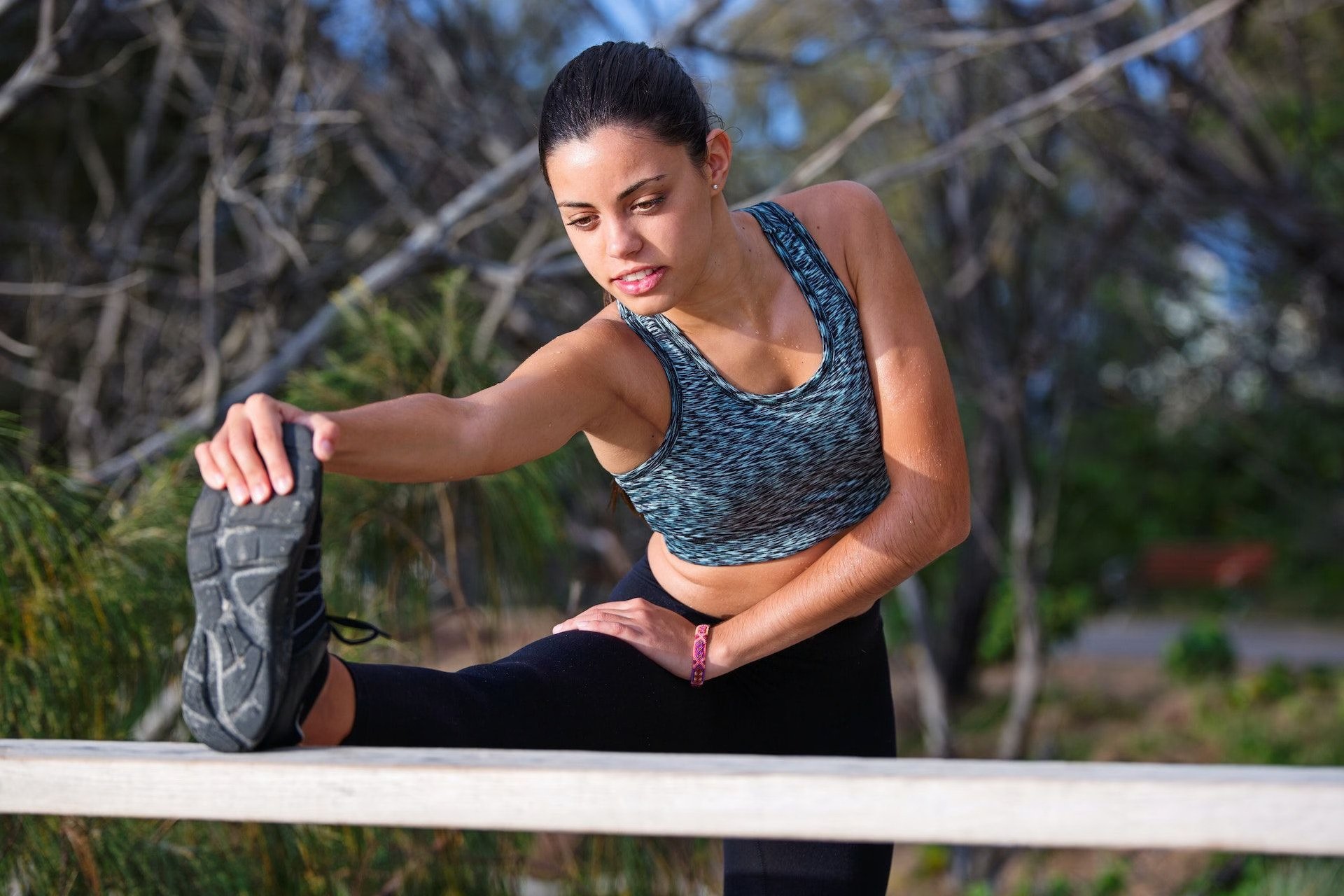
It’s all about exercise. It lowers blood pressure and reduces the risk of obesity, diabetes and heart disease. If you’ve been clocking up 150 minutes of exercise a week (on 4-5 days) since your 20s then congratulations. Don’t stop. “People need to consider exercise as part of their personal hygiene, like brushing your teeth, not something to ‘add on’ as an afterthought,” says Professor Benjamin D Levine, who holds a distinguished professorship in exercise sciences at the University of Texas Southwestern Medical Center. His research shows shows that exercise training, started in middle age, can reverse the stiffness in the heart muscle that can cause heart failure.
Out of the 4-5 days of exercise, one day should be a high-intensity workout (up to 95% peak heart rate), two or three should make you sweat and one can be less strenuous such as tennis the way I play it. Levine says 30 minutes of brisk walking five times a week will also do the job. Read More...