Evil twinks and gay gangsters: why we need to remember history's horrid homosexuals
-
 Loading...
 - Daisy Song
- 24 May 2022
- 292 Views
- 0 Like
- 0 Comment
In February, season two of HBO’s teen drama Euphoria reached a climax. “Well, if that makes me a villain,” proclaimed an unrepentant Cassie Howard, “then so fucking be it.” This much-memed line encapsulates popular culture’s preoccupation with baddies, from Netflix’s endless scammer series to Disney’s villain origin stories. Social media is pretty much a conveyor belt of villainy, too, with different echo chambers picking their own adversaries. Meanwhile, famous young women such as Britney Spears, who were once demonised, are now being reappraised as victims. And with hindsight’s perfect vision, it’s clear that plenty of characters in TV and film were not the “actual villain” either.
We seem to be more accepting of some baddies than others. History is littered with famous probably-gay villains, from Alexander the Great to Roy Cohn, Senator McCarthy’s chief counsel and Trump’s favourite lawyer. But unlike LGBTQ+ heroes such as Alan Turing or Audre Lorde, they are seldom remembered or claimed as gay. The question of why that should be the case is the starting point of Bad Gays: A Homosexual History by Huw Lemmey and Ben Miller. The book’s central argument is that, if we are to fully understand how today’s gay identities evolved, the lives of villains – the most deceitful, criminal, manipulative and power-hungry gay people – are just as important as those of gay heroes such as Oscar Wilde.
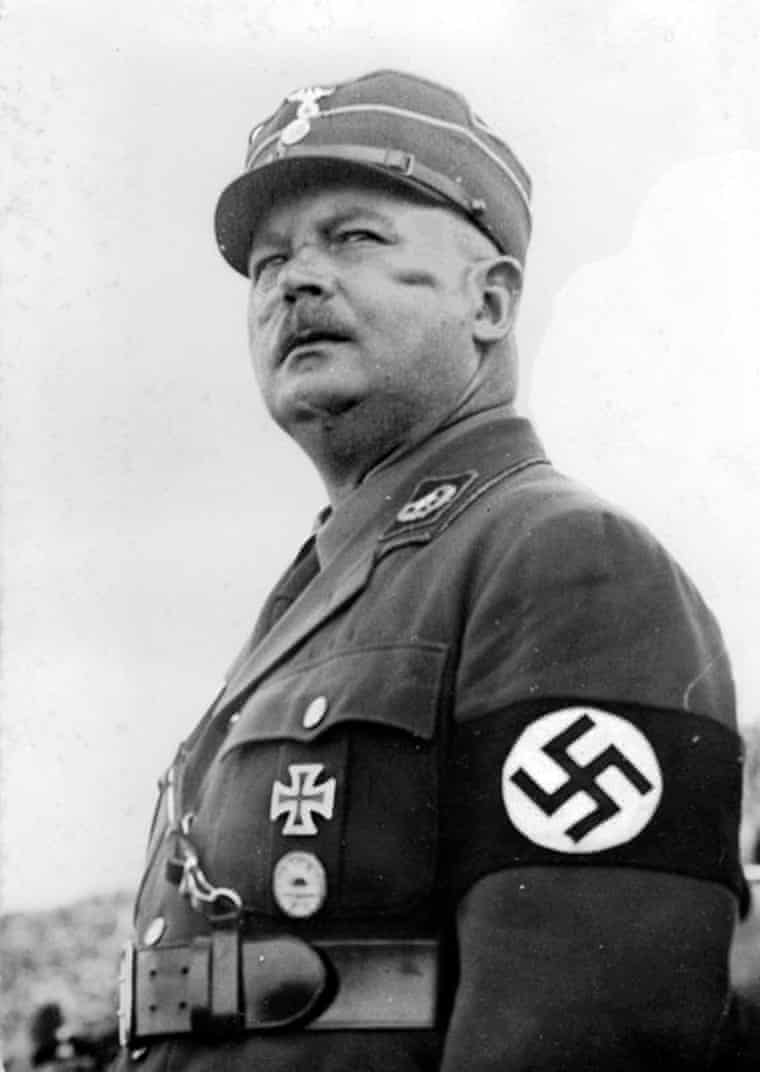
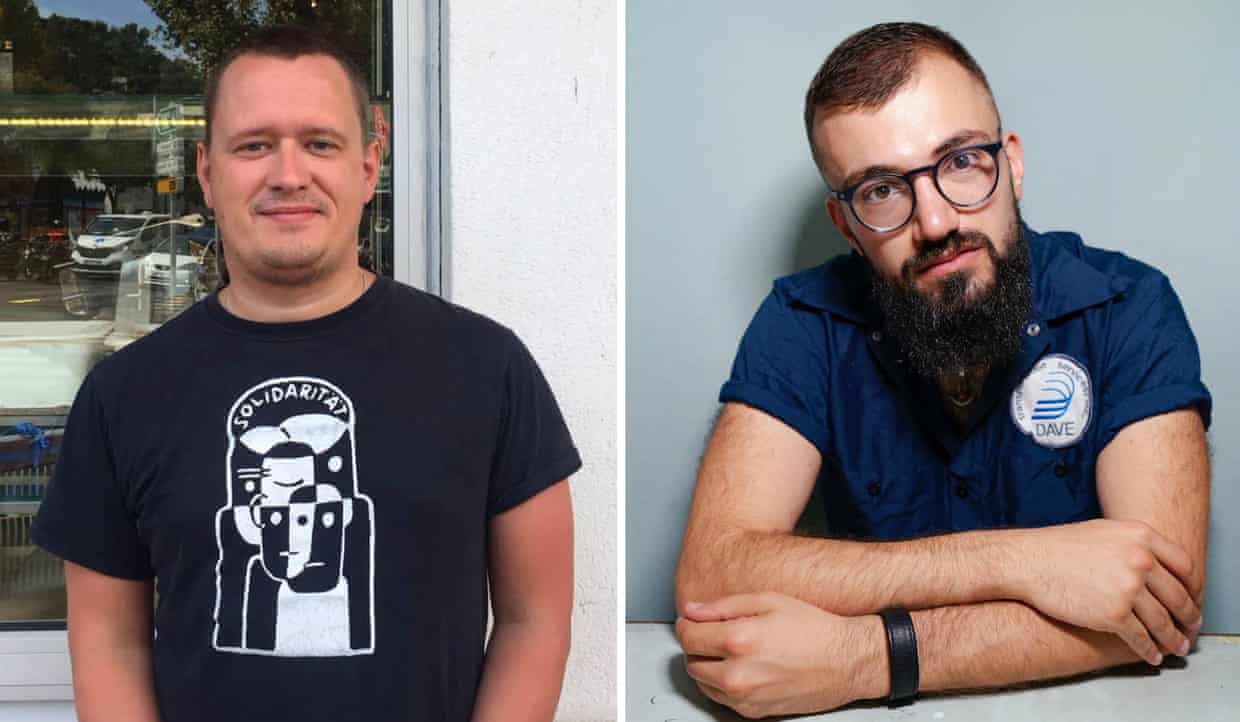
Bad Gays is a continuation of the duo’s podcast of the same name, which profiles the “evil and complicated queers in history” – such as Ernst Röhm, the world’s first out gay politician – a Nazi – and J Edgar Hoover, the FBI director who helped harass political dissidents and gay government employees and was posthumously outed by his friend, Broadway star Ethel Merman. “We want to address our history and how gay identity came to be,” Lemmey says. “But if we’re ever going to understand our sexual identity in a way that is based around solidarity and friendship, we need to discuss gay people who were devious and ruthless, too.”
The podcast began in 2019 when Lemmey, a Welsh author and film-maker, and Miller, a writer and historical researcher, were introduced to each other by friends. “While recording the podcast, we found that there were recurring themes,” says Lemmey. “We kept coming back to colonialism, race and the creation of the white homosexual identity. And also the same disclaimer, which was that concepts like ‘gay’ and ‘homosexual’ didn’t really exist before 1860.” That was when sexologists and early gay rights campaigners first coined the term “homosexual”, and began to conceive of homosexual and heterosexual as innate sexual identities.
The pair discuss these issues more deeply in the book. The text still has the irreverent swishiness of the podcast – there is a reference to “evil twinks” in the first few pages. But a key difference is that the book tells a story about how white gay identity was formed, and is more focused on men, whereas the podcast – which has had five series and almost 1m downloads – now profiles an even mix of men and women. “When we started the podcast, it was only about men, because the ethics of two cis men talking about villainous women were less clear,” Miller says. “We changed that partly because women and trans people kept getting in touch saying: ‘We want to be part of these stories and we trust you to tell them.’”
Bad Gays starts with the story of “perpetually horny” Roman emperor Hadrian. Next we learn about King James, whose ascension to the throne of Scotland and England formed the United Kingdom. James’s rule was defined by authoritarian laws, colonialism and misogynistic witch-hunts – and by his attraction to athletic jousters half his age. The book unpacks how the gangster Ronnie Kray became an “unironic icon” of masculinity. And how the Hitler sympathiser and architect Philip Johnson came to influence the skylines of America’s cities more than any other. “For us, it’s not about casting these figures aside and saying: ‘They have nothing to teach us,’” Lemmey says. “It’s not fair to say these people are always monsters. Just like our heroes, villains are complicated – there are hidden aspects of their lives that might explain their actions.”
Rejecting an apolitical approach to LGBTQ+ history and culture, and telling the story of how today’s dominant white gay identity was formed, Lemmey and Miller explain how it can uphold systems that marginalise trans people, women, the working class and people of colour. While they are sympathetic to their subjects individually – even the murderers – they are much more critical of the white gay identity their legacies have helped to form. The authors argue for a dismantling of oppressive structures, rather than mere “representation” within them – a philosophy similar to the gay liberation movements of the 1970s. Read More...