Food Photography Settings: A Comprehensive Guide
-
 Loading...
 - Miles Fuller
- 03 Sep 2024
- 41 Views
- 0 Like
- 0 Comment
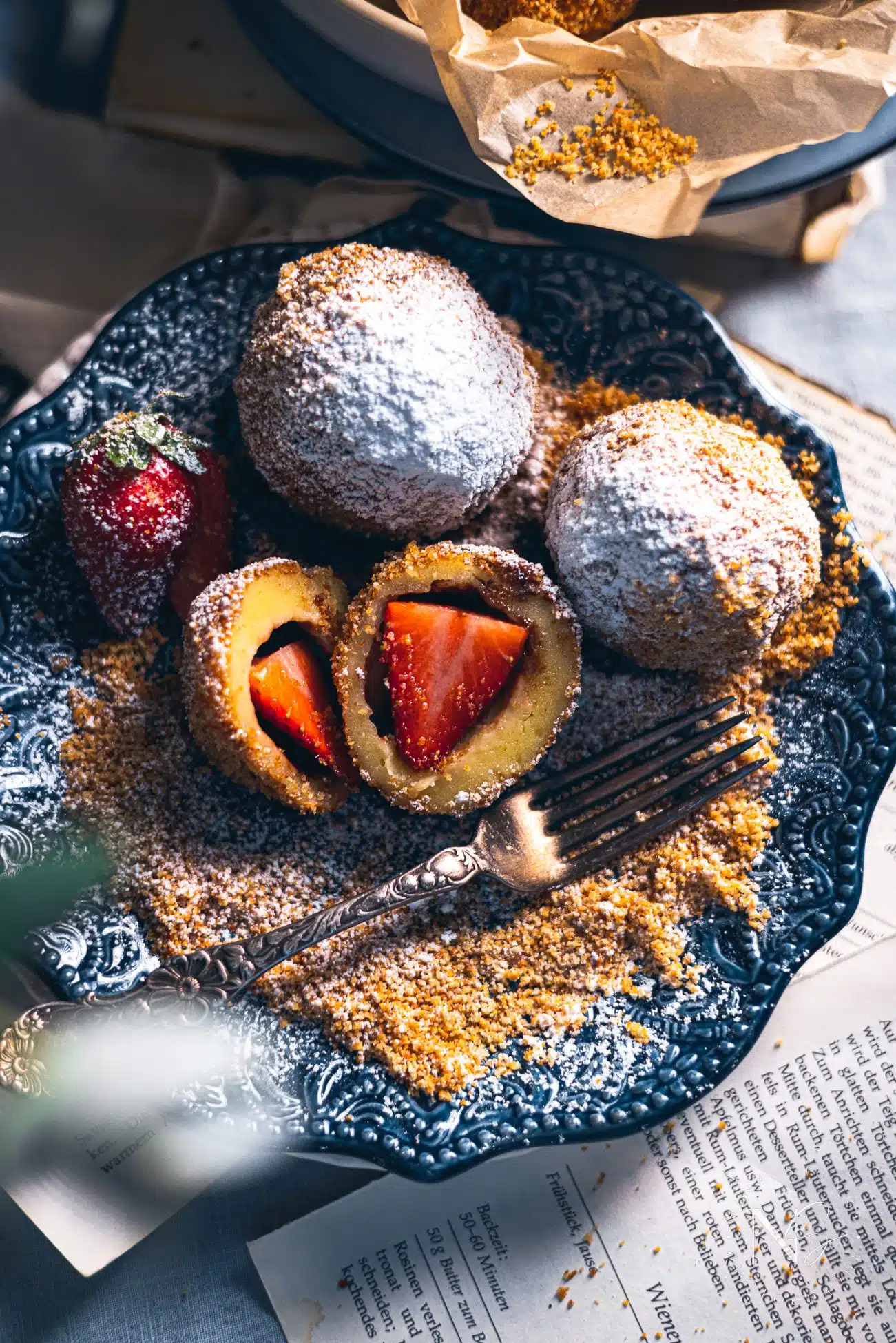
When it comes to capturing stunning food images, the right camera settings can make all the difference. Whether you're a professional food photographer or an enthusiastic food blogger, understanding the best camera settings for food photography is crucial to producing high-quality images that showcase your culinary creations in the best possible light.
Understanding the Yummy Trinity
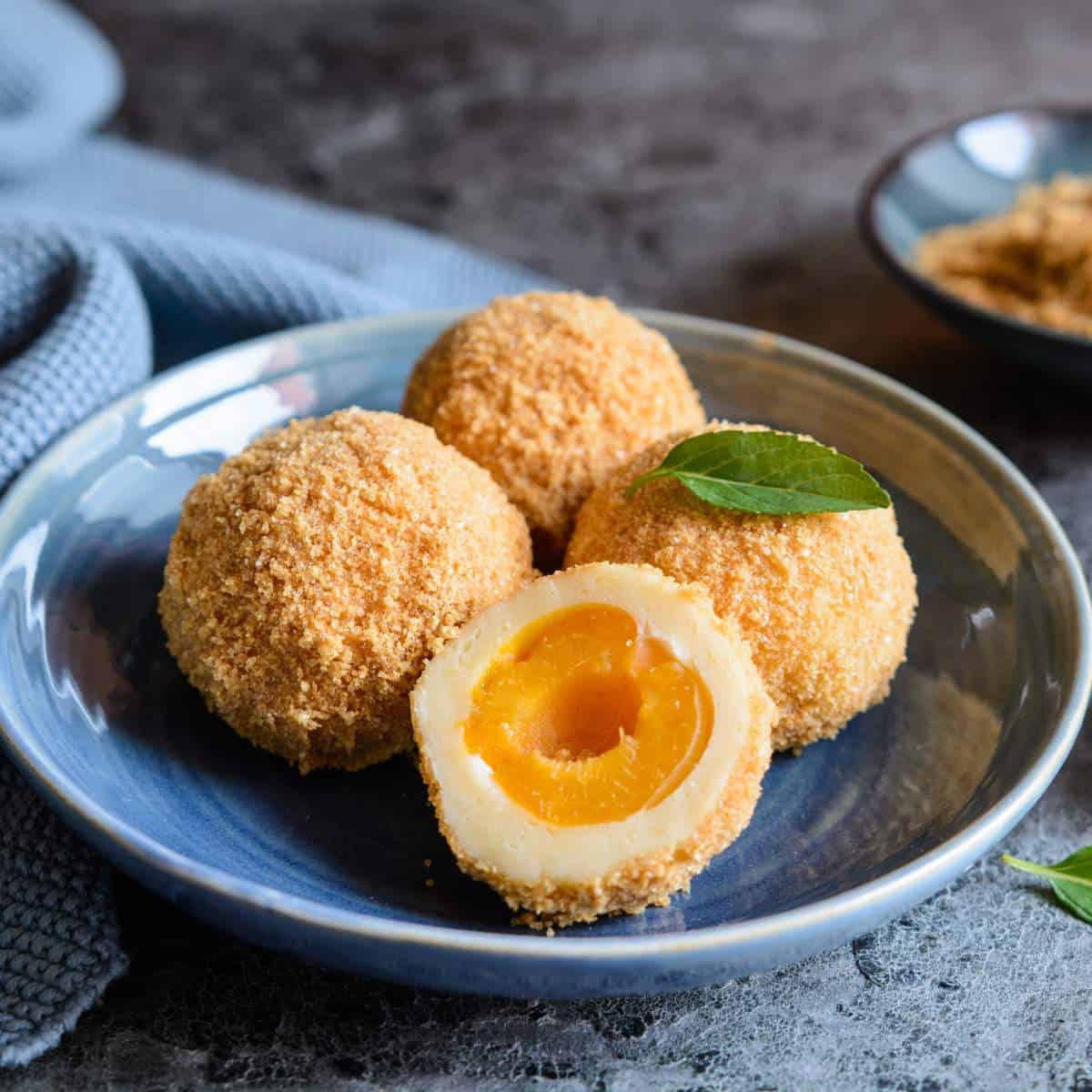
Before we dive into the best camera settings for food photography, it's essential to understand the three fundamental components of exposure: aperture, shutter speed, and ISO. These three elements, often referred to as the "Yummy Trinity," work together to create a well-balanced exposure.
- Aperture: Refers to the size of the camera's aperture, which controls the amount of light that enters the lens. A lower f-stop value (e.g., f/2.8) means a larger aperture, while a higher f-stop value (e.g., f/16) means a smaller aperture.
- Shutter Speed: Refers to the length of time the camera's shutter is open, measured in seconds or fractions of a second. Faster shutter speeds (e.g., 1/1000) are ideal for capturing sharp images, while slower shutter speeds (e.g., 1 second) can create motion blur.
- ISO: Refers to the camera's sensitivity to light. A lower ISO value (e.g., ISO 100) means the camera is less sensitive to light, while a higher ISO value (e.g., ISO 6400) means it's more sensitive.
Camera Settings for Food Photography
When it comes to food photography, the goal is to create images that are visually appealing, well-lit, and showcase the food in the best possible way. Here are some general camera settings that can help you achieve this:
- ISO: 100-400 (depending on the lighting conditions)
- Aperture: f/2.8-f/5.6 (to create a shallow depth of field and emphasize the food)
- Shutter Speed: 1/60-1/125 (to freeze motion and create a sharp image)
However, these are just general guidelines, and the best camera settings for food photography will vary depending on the specific shot you're trying to capture. For example, if you're shooting in a bright, natural light setting, you may need to adjust your ISO and shutter speed accordingly.
Tips for Shooting Food
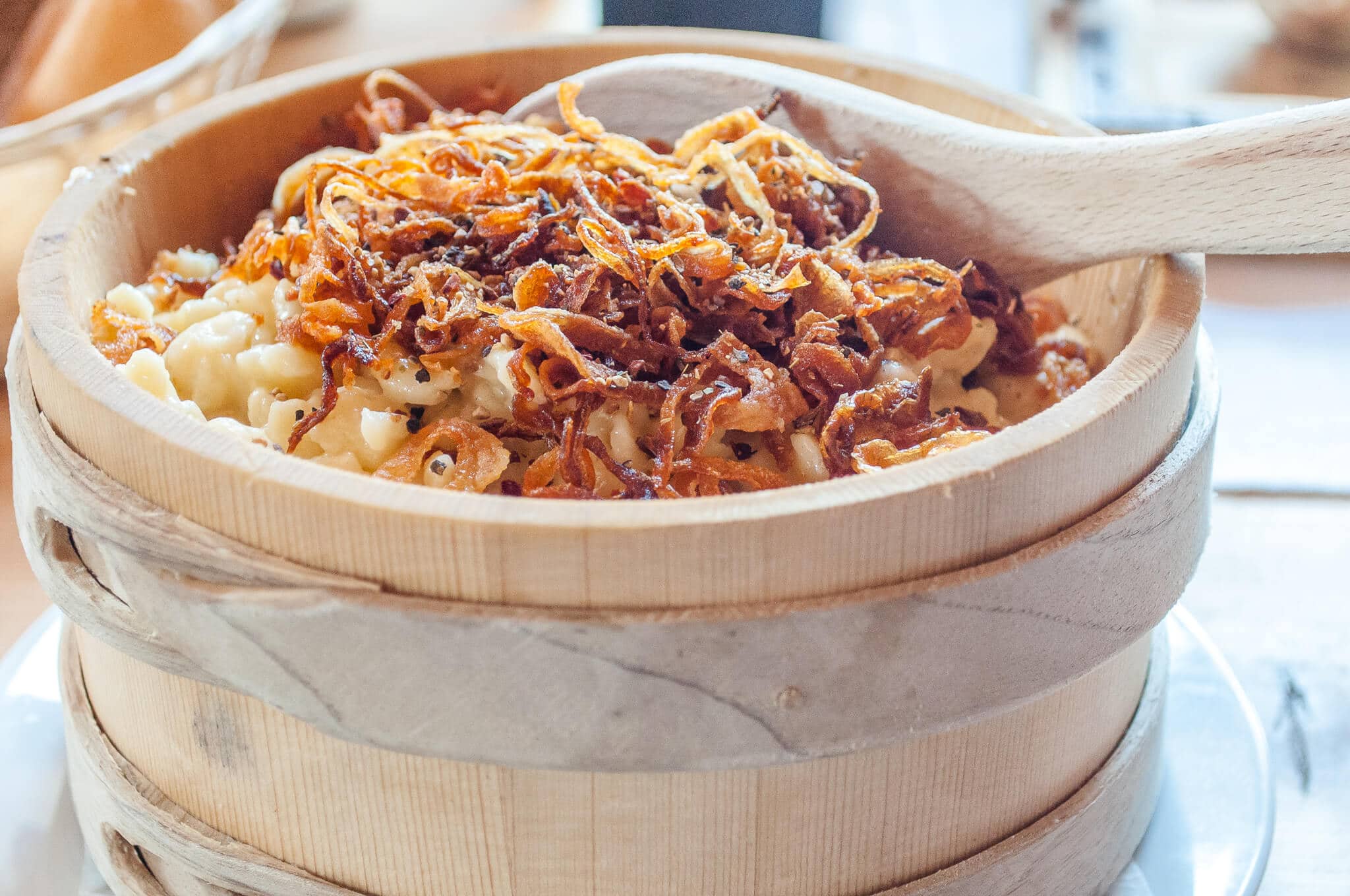
In addition to understanding the best camera settings for food photography, here are some additional tips to help you capture stunning images:
- Love food: If you love food, your passion will shine through in your photography.
- Carry a camera everywhere: You never know when inspiration will strike, so it's essential to have a camera with you at all times.
- Study the light: Pay attention to the lighting in your scene and adjust your camera settings accordingly.
- Trust your camera's auto white balance: Most modern digital cameras can accurately adjust the white balance, so trust your camera's settings.
- Shoot in RAW mode: Shooting in RAW mode gives you more flexibility when editing your images.
- Get a photo editing program: Invest in a photo editing program like Adobe Lightroom or Photoshop to enhance your images.
- Shoot fast: Food photography is all about capturing the perfect shot quickly, so be prepared to work fast.
- Move in tight: Don't be afraid to get up close and personal with your subject to create a more intimate shot.
- Experiment with angles: Don't be afraid to experiment with different angles and perspectives to add visual interest to your images.
Types of Food Photography
There are several types of food photography, each with its own unique style and aesthetic. Here are a few examples:
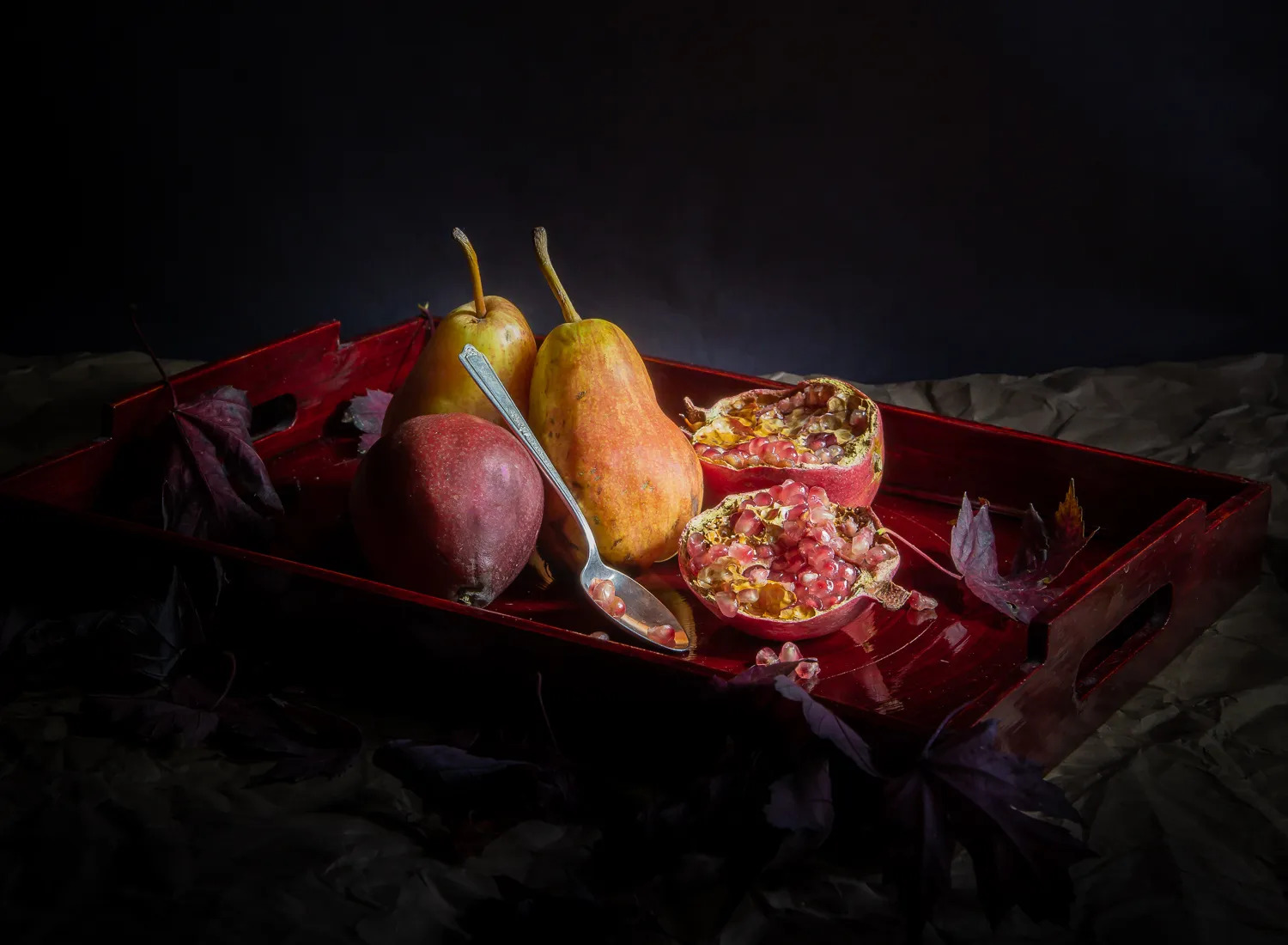
- Foodporn: High-end, stylized images that showcase food in a luxurious and appealing way.
- Food verite: More natural, unstyled images that showcase food in a realistic way.
- Food sculpture: Highly stylized images that use food as a medium for artistic expression.
Conclusion
Capturing stunning food images requires a combination of technical skill, creativity, and attention to detail. By understanding the best camera settings for food photography and following these tips, you can create images that showcase your culinary creations in the best possible light. Happy shooting!