How to Improve your Bee Photography and Capture Amazing Photos?
-
 Loading...
 - Reece Gibson
- 16 Dec 2021
- 663 Views
- 0 Like
- 0 Comment
With these tips, you can quickly improve your macro photography of bees and get home with some amazing nature photos.
Know your subject
A bee is not just a bee. If you want to photograph bees, you need to know a little bit about them. There are many different species of bees, and you will find they have different patterns of behavior. For instance, a bumblebee behaves differently from honey bees.
You don’t have to be able to identify the different species to get amazing shots of them. However, it does pay off to watch their behavior before you start a shooting spree with your camera.
Notice how it moves: fast, in straight predictable pathways, or jagged in its flight. Where does it rest? For how long before it takes off again. Which kind of flowers does it prefer, those with flat, open flowers or semi-closed flowers? Does it hover above the flowers before landing? How many seconds will you have to capture it in flight or once it has landed?
Taking notes of this helps you compose, frame, and focus at the right place and be ready to press the trigger at the right time.

Get Out Early
Insects are generally more active during the day when the temperature is higher than in the early days. The best time for photographing bees is probably in the early morning when the bees are still asleep so they don’t move so fast and you can take the best possible pictures of the insect.
Another large advantage when photographing insects at sunrise is that the natural light is much softer than during daytime.
Composition
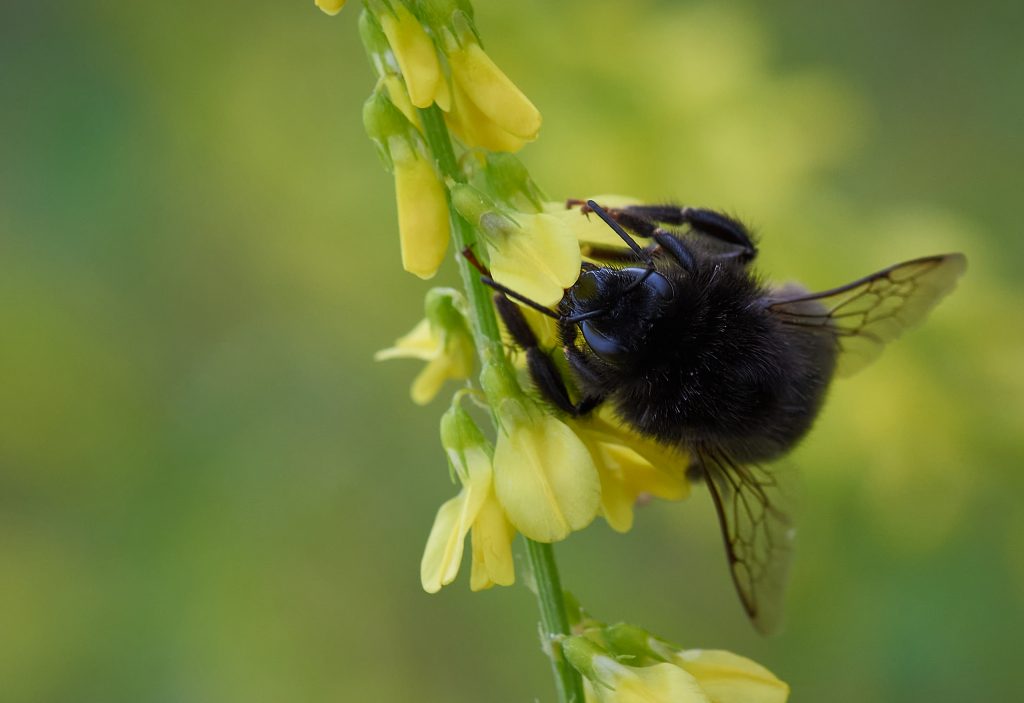
The most important thing to remember when composing and capturing your shot is to get a view where you can see at least one of the bee’s eyes. Often top-down shots result in capturing the back of the bee. Instead, get down low to eye level with the bee, and compose from there.
Next, you would want the background to be as calm as possible. You can try to position yourself so the background becomes less busy.
If possible, placing your subject according to the rule of thirds usually make bee photos way more interesting.
Finally, it is important to think about colors in your composition. Can you get more color contrast between your subject and the background and make it stand out more?
Equipment
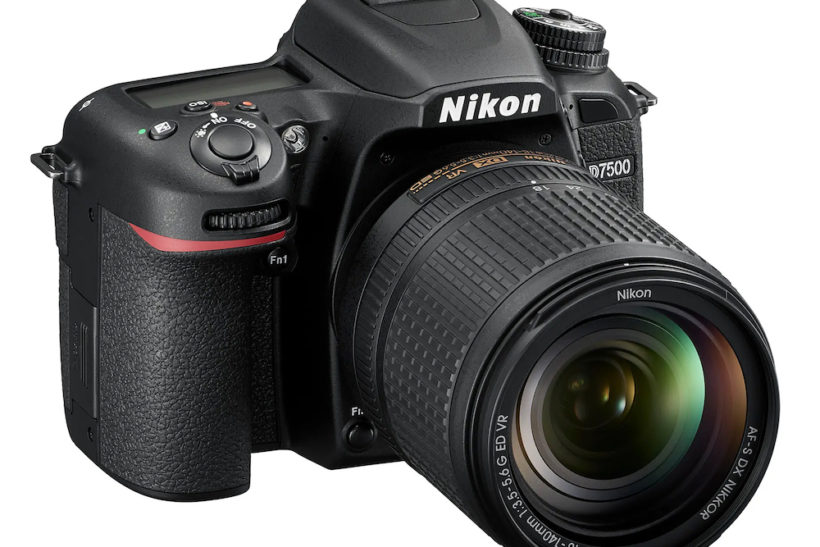
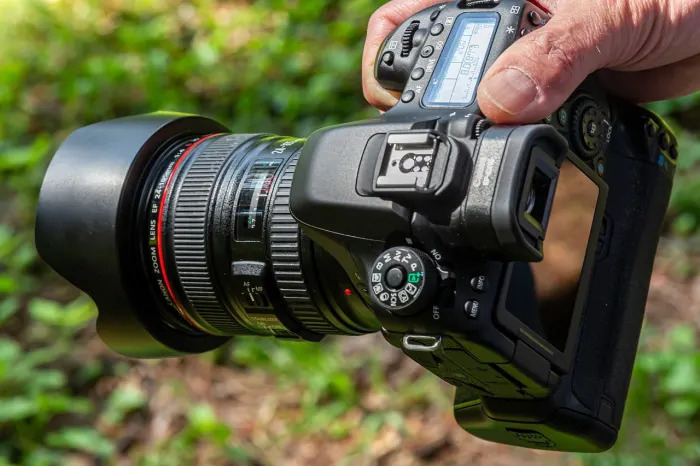
You can capture great photos of bees with almost any DSLR or mirrorless camera. What matters is the lens you use and adding a flash to your setup.
Camera
You can photograph bees with any digital camera. However, you will likely get the best images if you use a full-frame camera or a crop sensor camera.
That is not to say that you cannot get a good shot of a bee with a point-and-shoot or a system camera. However, you get better often get the best ISO handling and depth of field with full-frame cameras or prosumer level crop cameras. Ultimately, what matters is that you can actually control things like shutter speed, aperture, and ISO, plus add an external flash.
Which Lens to Use
There are two types of lenses you can use for bee photography: a macro lens or a telephoto lens.
I personally prefer to use a macro lens to capture photos of bees. Dedicated macro lenses often have a fixed focal range. A focal length of 90mm or greater is best. The greater the focal range the further away from your subject you can work, so you don’t annoy the bee or scare it away.
Dedicated macro lenses allow you to get much closer to your subjects achieving a 1:1 Magnification ratio.
If you need to get even closer to your subject you can experiment with using extension tubes. However, a macro lens is enough to get close enough to photograph details like pollen or flower stamens.
If you want to use a telephoto lens, then a focal length of 200-600mm is very useful, as it allows you to zoom in close enough. The issue though is that telephoto lenses often have a long minimum focusing distance of above 1 or even 2 meters.
To overcome this, you can use an extension tube in combination with a telephoto lens to shorten the minimum focusing distance. However, when using extension tubes with telephoto lenses, you won’t be able to focus far off into the distance, only within a couple of meters.
Using a telephoto lens also limits you from using flash, as part of your setup in many cases. I suggest that you opt for a macro lens, whenever possible. Read More…