If Crisis or War Comes: Sweden’s User-Friendly Guide to Nuclear Preparedness
-
 Loading...
 - Minna Virtanen
- 02 Jan 2025
- 26 Views
- 0 Like
- 0 Comment
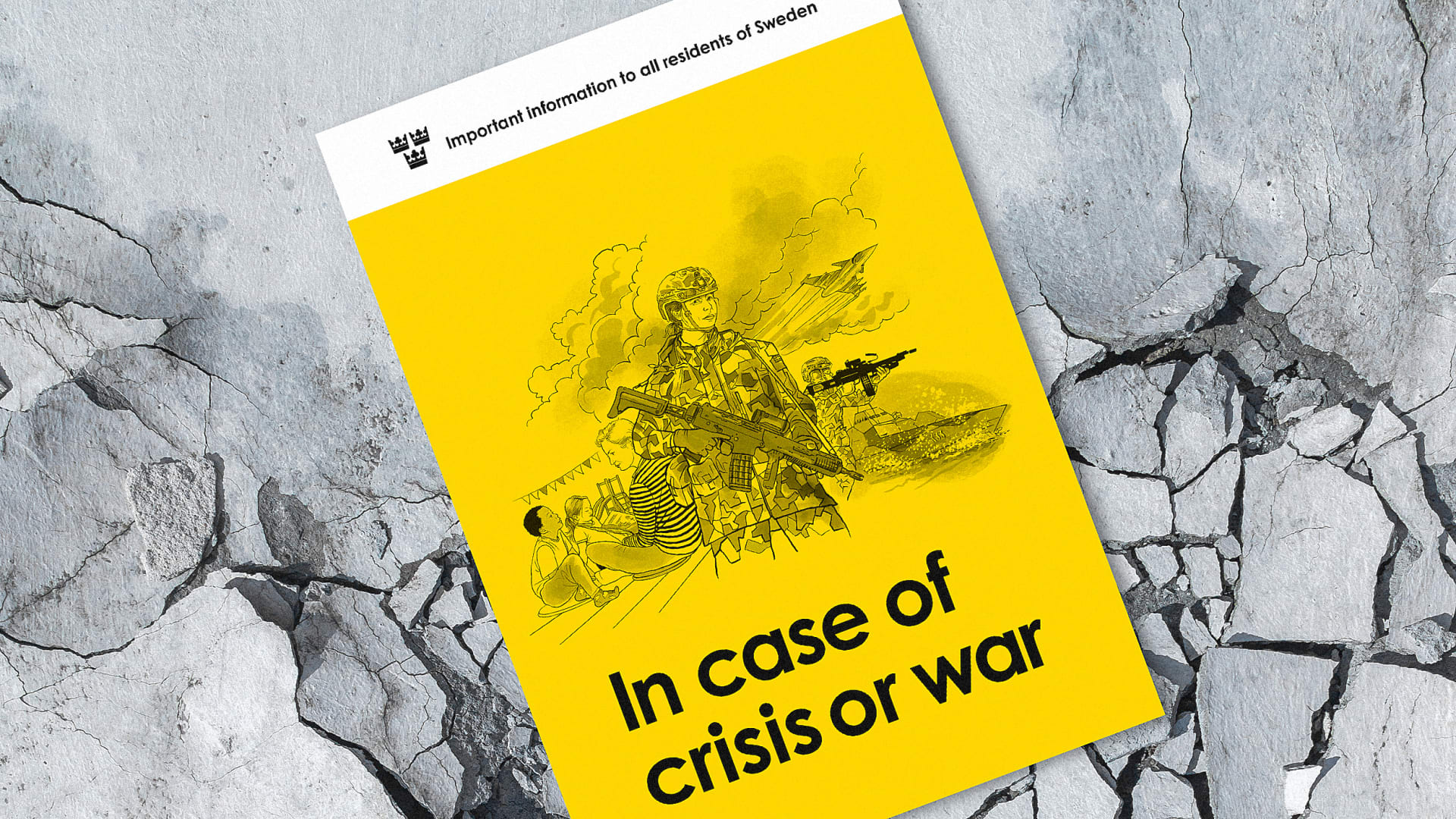
Sweden has recently distributed an emergency manual to its citizens, designed to provide essential instructions on how to prepare for crises, particularly in the context of war. This initiative comes in response to Russia's updated nuclear doctrine, which threatens nuclear retaliation if a country attacks Russian territory with long-range missiles supplied by nuclear powers like the U.S., U.K., and France. The 32-page booklet, titled “Om krisen eller kriget kommer” (Swedish for “If Crisis or War Comes”), is filled with practical step-by-step guides, crucial advice, and checklists aimed at helping citizens prepare for the worst.
The manual continues Sweden’s long-standing tradition of civil preparedness literature. Originally published during World War II as “If War Comes,” it was designed to guide citizens on how to respond to potential threats while Sweden maintained its neutrality. The publication was updated throughout the Cold War but was discontinued in 1991 as the perceived threat of nuclear warfare diminished. In 2018, the Swedish government reintroduced the manual with a focus on contemporary threats, including terrorism and cyberattacks.
The new 2024 edition has doubled in length and aims to prepare the population for military attacks, energy crises, cyber threats, and extreme weather events. The government has distributed physical copies to every household in Sweden, making the manual accessible in multiple formats, including Swedish, simplified Swedish, English, braille, and audio files.
Design and Accessibility
The design of the manual emphasizes clarity and accessibility. Robin Fredholm, design manager at the Swedish Civil Contingencies Agency (MSB), explained that the goal was to create a product that is easily understandable for as many people as possible. The bright yellow cover and physical distribution add a sense of urgency to the information, ensuring that it stands out and is readily available, even in the event of a crisis when internet access may be compromised.
The manual features a minimalist layout with clear typography, making it easy to navigate. Important information is presented in point form for quick comprehension, and checklists help break down complex tasks into manageable steps. Visual elements, such as graphics illustrating emergency alarm sounds, further enhance understanding.
Key Content and Recommendations
The manual outlines the responsibilities of all citizens aged 16 to 70 in times of crisis, emphasizing that national defense is a collective duty, not solely the military's. It provides detailed instructions for home preparation, advising citizens to stockpile enough food and water to last at least seven days. Recommendations include storing three liters of water per person per day and non-perishable food items.
Additionally, the manual addresses the risks of misinformation, urging citizens to share only verified information and rely on official communications from local authorities. It includes emergency contacts, resources for psychological support, and guidance on what to take in the event of an evacuation.
Psychological Preparedness
Recognizing the psychological impact of crises, the manual offers advice on managing anxiety, particularly in children. It encourages parents to remain calm, communicate clearly, and involve children in emergency preparations to help them feel empowered.
A Response to Current Geopolitical Tensions
The release of this manual coincides with rising tensions due to the ongoing war in Ukraine and Russia's aggressive military posture. The updated nuclear doctrine from Russia raises the stakes for potential conflict escalation, prompting Sweden to take proactive measures to inform and prepare its citizens.
As the geopolitical landscape continues to evolve, the Swedish government aims to equip its population with the knowledge and tools necessary to navigate potential crises effectively. The manual serves as a comprehensive guide, ensuring that citizens are prepared to act and protect themselves in uncertain times.