8 of The Best Japanese Authors Who You’ve Never Heard Of

While Haruki Murakami often serves as the gateway to Japanese literature for many readers, the literary landscape of Japan is rich with diverse voices that deserve recognition. Here’s a list of eight remarkable Japanese authors whose works are worth exploring, each offering unique perspectives and storytelling styles.
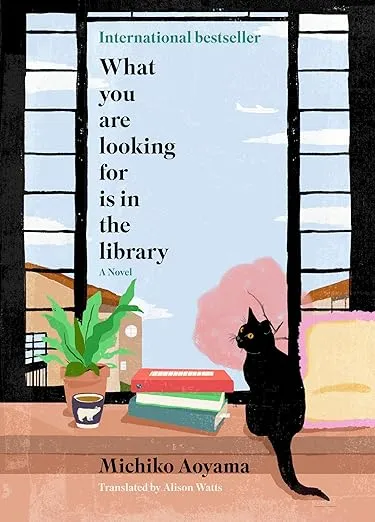
1. Michiko Aoyama
Michiko Aoyama is a journalist and magazine editor whose book What You’re Looking For Is In The Library is a heartwarming tale that follows five individuals who find solace in a library during difficult times. Each character receives a reading list from the librarian, with one book that holds the answers they seek. This soothing and magical narrative, originally published in 2020 and translated in 2023, is filled with wisdom and kindness.
2. Durian Sukegawa
Durian Sukegawa, a novelist with a background in philosophy and journalism, is known for Sweet Bean Paste, a touching story about an unlikely friendship between Sentaro, a dorayaki shop owner, and Tokue, an elderly woman with a troubled past. Their bond deepens as she teaches him her special recipe for sweet bean paste, but dark secrets threaten their connection. This beautifully crafted tale, first published in 2013 and translated in 2017, explores themes of redemption and companionship.

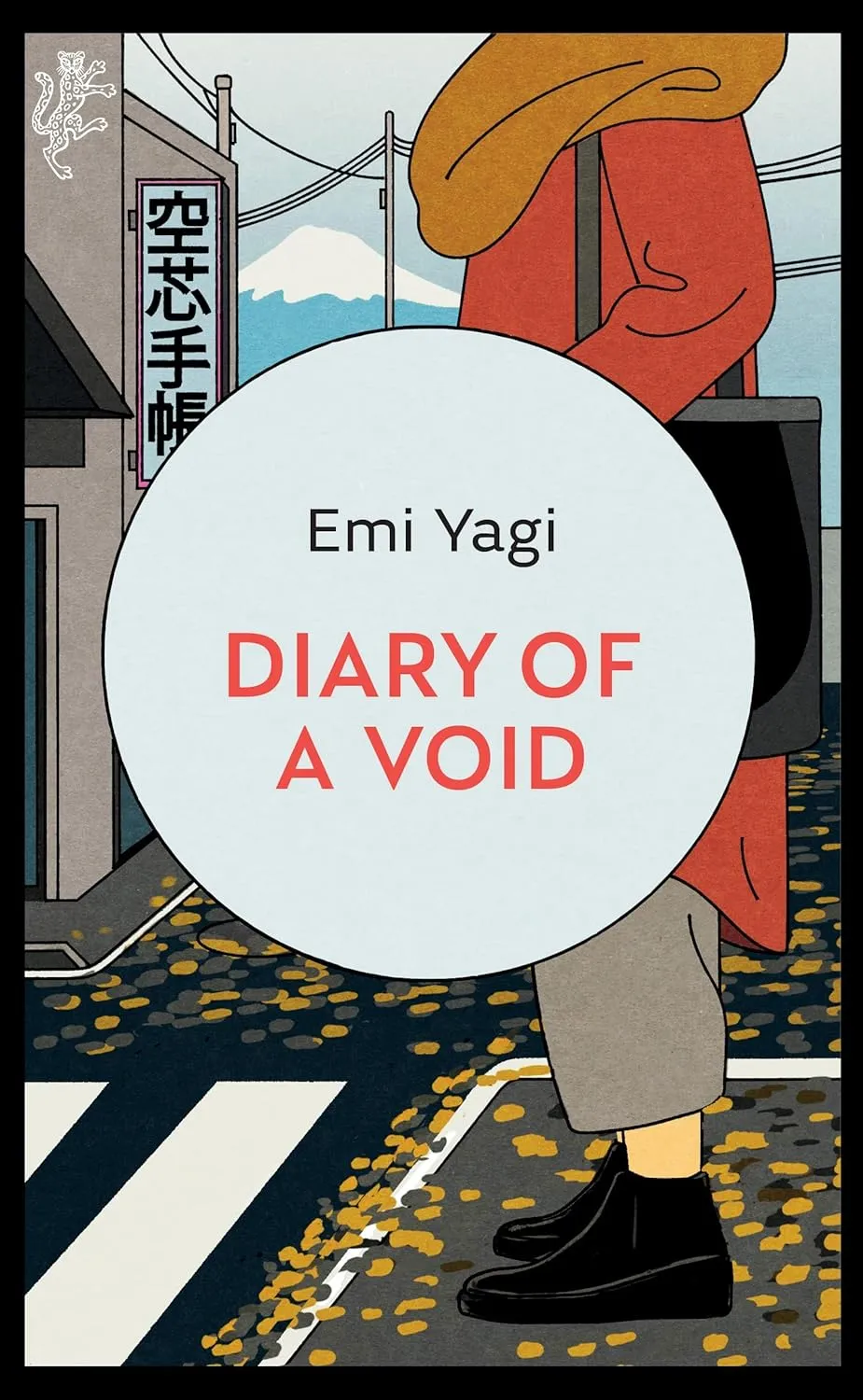
3. Emi Yagi
Emi Yagi is an emerging voice in Japanese literature, working as an editor at a women’s magazine. Her debut novel, Diary Of A Void, published in 2020 and translated in 2022, tells the story of Ms. Shibata, who faces sexism in her workplace. To cope, she fabricates a pregnancy to gain respect from her colleagues. This satirical narrative humorously critiques societal expectations of women and their treatment in the workplace.
4. Yumi Sakugawa
Yumi Sakugawa is a comic book artist known for her thoughtful and whimsical comics. Her work I Think I Am In Friend-Love With You explores the nuances of platonic friendships, while There Is No Right Way To Meditate serves as a calming meditation experience in itself. Sakugawa’s unique blend of art and storytelling offers readers a soothing escape and a deeper understanding of human connections.

5. Kabi Nagata
Kabi Nagata is a manga artist celebrated for her autobiographical work My Lesbian Experience With Loneliness. This poignant manga delves into themes of sexuality, mental health, and the challenges of growing up. Nagata’s vulnerability and humor resonate with readers, making her story both relatable and impactful. She has continued her narrative in follow-up volumes, including My Solo Exchange Diary and My Alcoholic Escape From Reality.

6. Sayaka Murata
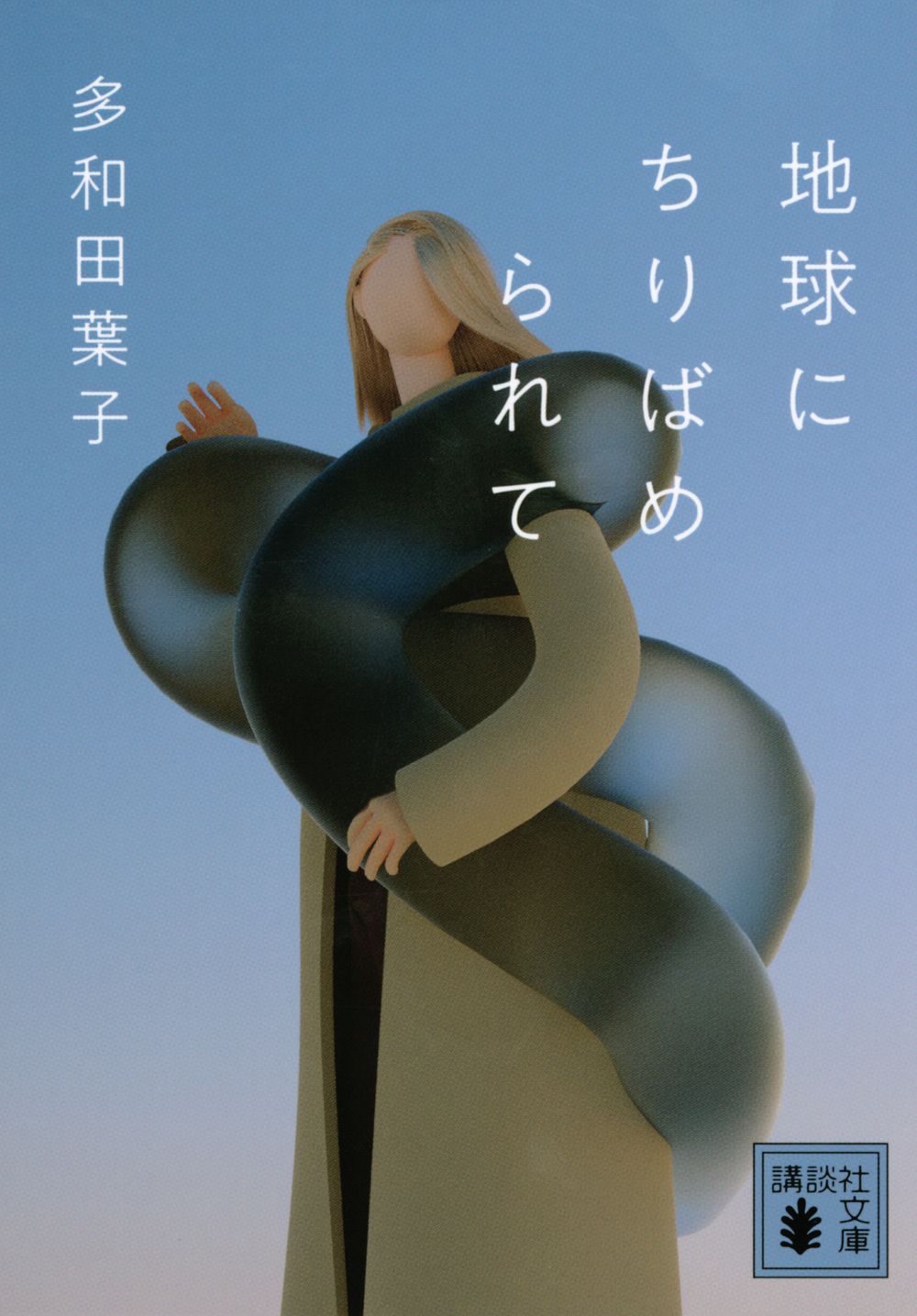
Sayaka Murata’s works often center on characters who feel out of place in society. Her novel Convenience Store Woman features a protagonist whose identity is tied to her job at a convenience store, challenging societal norms about success and usefulness. In Earthling, she explores the life of a girl who questions her existence and identity. Murata’s unique storytelling sheds light on the complexities of modern life and societal expectations.

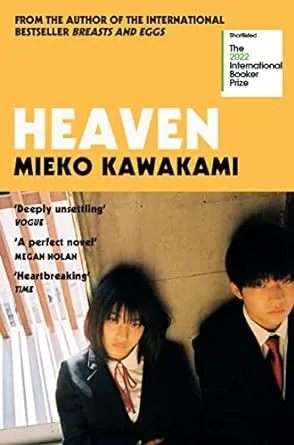
7. Mieko Kawakami
Mieko Kawakami is a celebrated writer and poet whose works have garnered critical acclaim. In Breasts and Eggs, she addresses body autonomy and the protagonist’s journey through breast enhancement. Heaven tells the story of two bullied teenagers, capturing the raw emotions of adolescence. Kawakami’s powerful narratives tackle important social issues with sensitivity and depth.
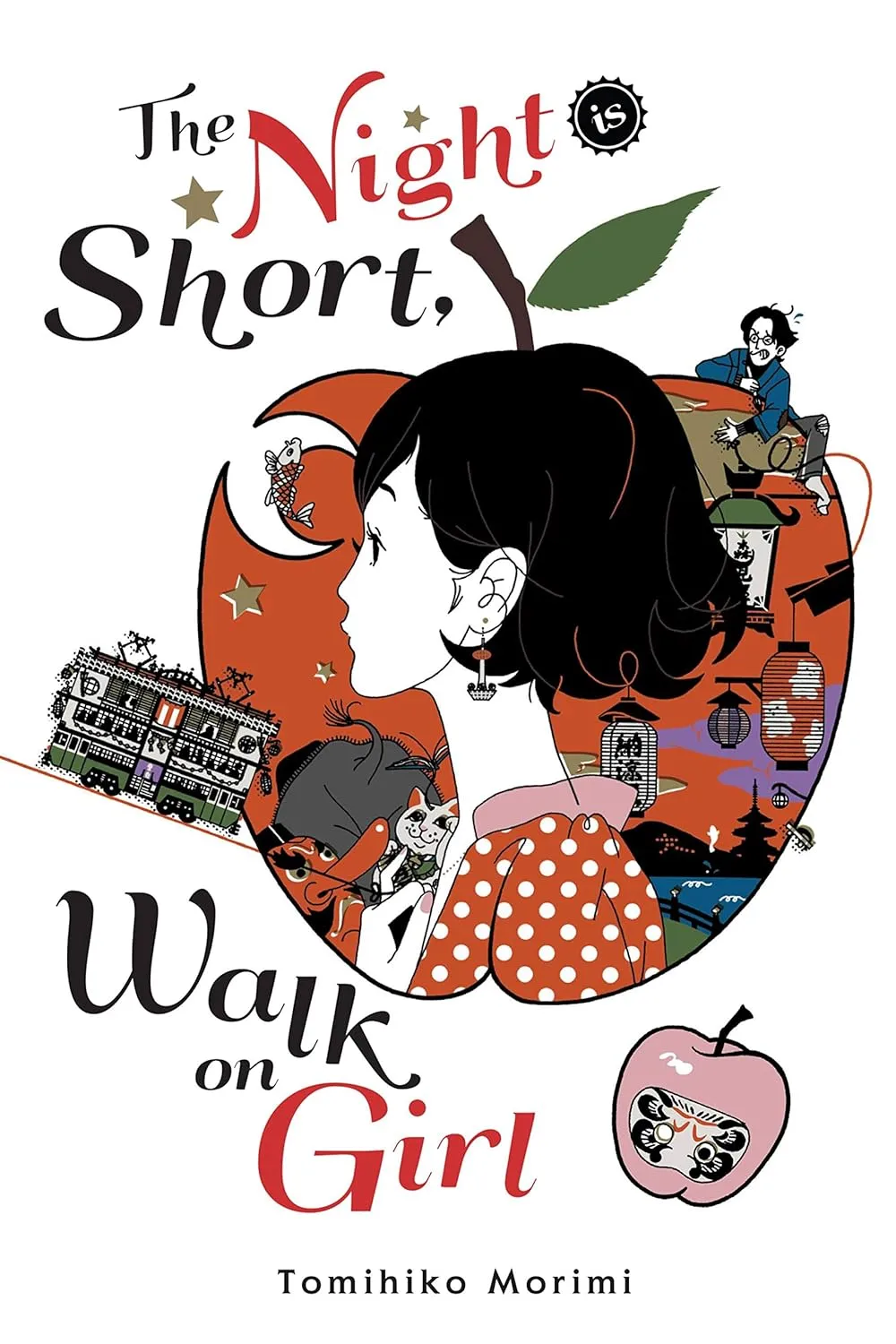
8. Tomihiko Morimi
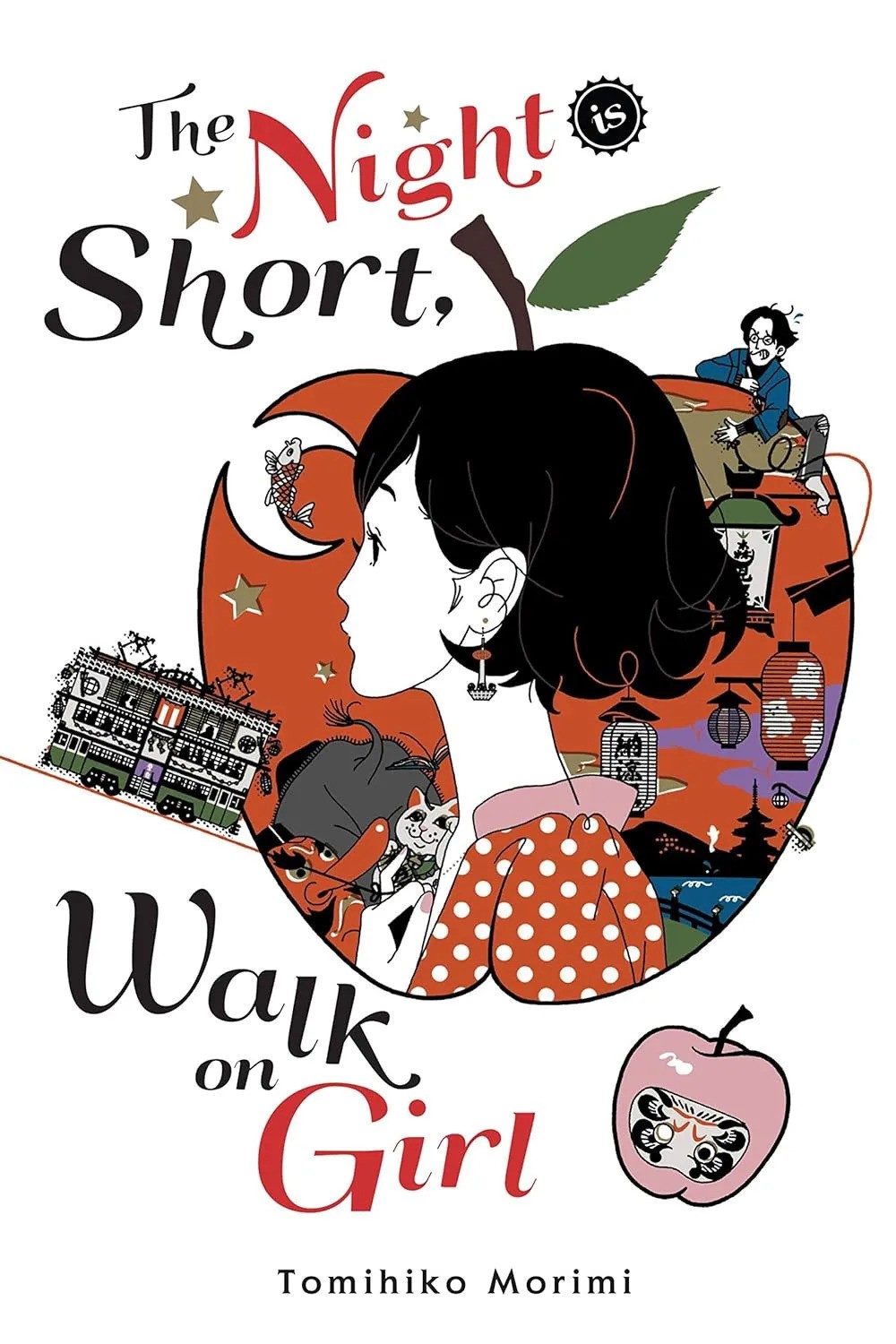
Tomihiko Morimi is known for his fantastical storytelling, blending elements of fabulism with everyday life. In The Night Is Short, Walk on Girl, readers follow a young woman’s enchanting walk through Kyoto, filled with whimsical encounters. Penguin Highway is another delightful tale that has been adapted into an animated film. Morimi’s imaginative narratives invite readers to explore the extraordinary within the ordinary.
These eight authors represent just a fraction of the vibrant and diverse voices in Japanese literature. Each brings their unique experiences and perspectives to their storytelling, offering readers a chance to explore new themes and ideas. As translations continue to make these works accessible, readers can discover the richness of Japanese literature beyond the well-known names.