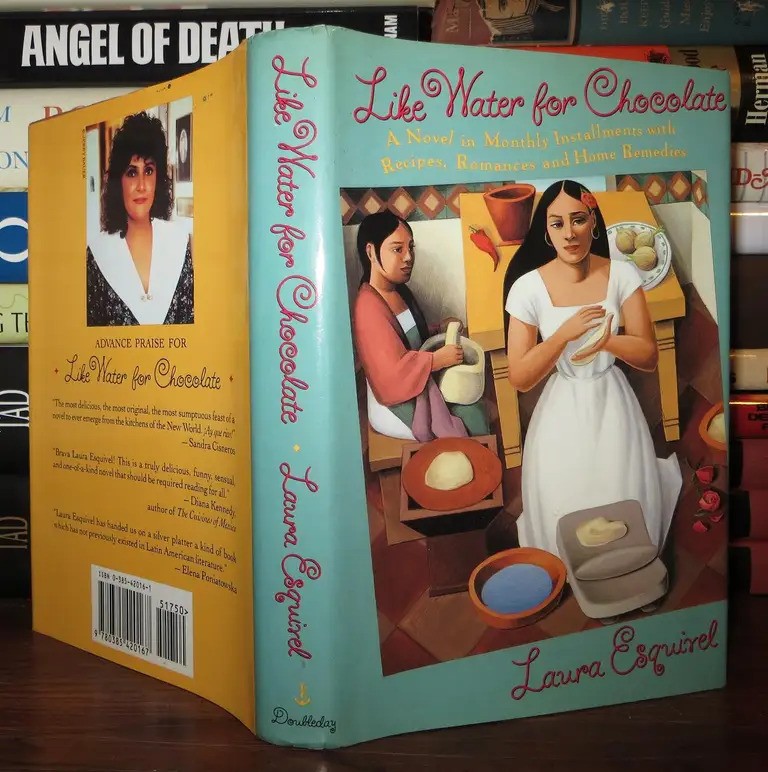
Like Water for Chocolate by Laura Esquivel:
-
 Loading...
 - Thomas Bourgeois
- 03 Jan 2025
- 34 Views
- 0 Like
- 0 Comment
Like Water for Chocolate by Laura Esquivel is a captivating novel that intertwines themes of love, family, and the rich tapestry of Mexican culture, all through the lens of magical realism and culinary artistry. Your serendipitous discovery of this book at a bargain price is a testament to how great literature can often be found in unexpected places.
At the heart of the novel is Tita, a young woman bound by the oppressive traditions of her family, particularly the rule that the youngest daughter must remain unmarried until her mother passes away. This tradition complicates her deep and passionate love for Pedro, who, unable to be with Tita, marries her sister Rosaura. The narrative follows Tita's struggles with heartbreak, her quest for independence, and her journey toward self-discovery.
One of the most enchanting aspects of the novel is how food serves as a conduit for Tita's emotions. Each dish she prepares is infused with her feelings, often leading to extraordinary reactions from those who consume her cooking. The examples you provided, such as the cake that induces collective longing and frustration, and the rose petal dish that ignites lust, beautifully illustrate how Esquivel uses magical realism to explore the connection between food and emotion. This unique approach not only makes the story engaging but also highlights the cultural significance of food in Mexican society.
The symbolism of fire is another powerful element in the novel. Fire represents not only the physical act of cooking but also the passion and desire that drive Tita's life. The metaphor of each person having a "box of matches" inside them, needing external elements to ignite their inner fire, resonates deeply. It emphasizes the importance of love, connection, and the experiences that nourish the soul. Tita's journey to reclaim her inner fire, aided by characters like John, adds depth to her character and underscores the novel's exploration of personal growth and resilience.
The structure of the novel, with each chapter beginning with a month and a corresponding recipe, is a clever narrative device that seamlessly blends cooking with storytelling. This format not only provides readers with a sense of time but also allows for a rich exploration of how food preparation parallels Tita's emotional journey. The transition from cooking instructions to narrative is reminiscent of other works that blend culinary elements with storytelling, such as The Brief Wondrous Life of Oscar Wao by Junot Díaz.
Like Water for Chocolate is indeed a multi-layered work. It can be read as a romance, a historical novel set against the backdrop of the Mexican Revolution, or a commentary on the clash between traditional values and modern moralities. This complexity invites readers to engage with the text on various levels, making it a rewarding experience.
As for Tita's ultimate fate and her choice of partner, opinions may vary among readers. Some may feel that her journey leads her to the right person, while others might question the implications of her choices and the societal constraints that shaped them. The ending can spark rich discussions about love, sacrifice, and the impact of family traditions on personal happiness.
In conclusion, Like Water for Chocolate is a beautifully crafted novel that resonates with themes of love, tradition, and the transformative power of food. Your reflections on the book highlight its richness and the emotional depth that Esquivel masterfully weaves into her storytelling. It’s a story that lingers long after the last page is turned, inviting readers to savor its flavors and insights.