India's First 'Teal Carbon' Study Highlights the Importance of Wetland Conservation
-
 Loading...
 - Drishya Jalali
- 12 Sep 2024
- 43 Views
- 0 Like
- 0 Comment
A recent study on 'teal carbon' conducted at Keoladeo National Park (KNP) in Rajasthan's Bharatpur district has emphasized the significance of wetland conservation in addressing the challenges of climate adaptation and resilience. The study, led by Professor Laxmi Kant Sharma, aimed to develop holistic nature-based solutions to address climate change.
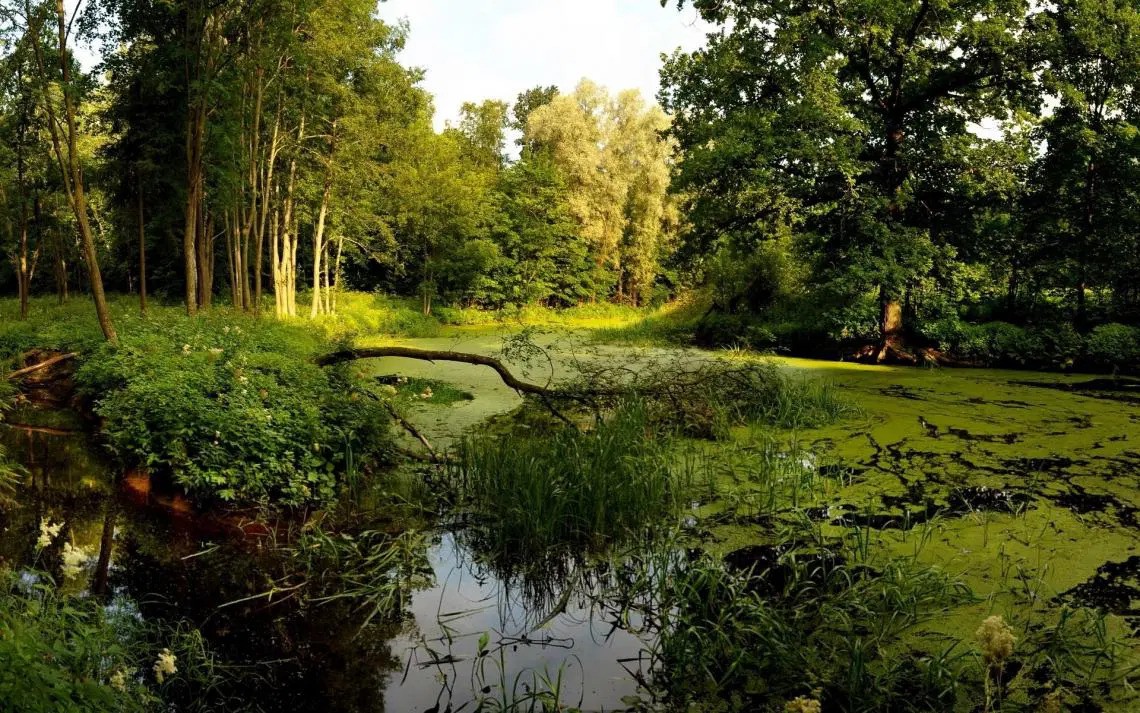
Teal carbon refers to the carbon stored in non-tidal freshwater wetlands, including carbon sequestered in vegetation, microbial biomass, and dissolved and particulate organic matter. These wetlands play a crucial role in regulating greenhouse gases, but are vulnerable to degradation from pollution, land use changes, water extraction, and landscape modifications.
Key Findings
i. The study revealed elevated levels of methane emissions at KNP, necessitating the reduction of these discharges through the use of specialized biochar.
ii. Ensuring the availability of water and selecting suitable vegetation is crucial for effective conservation of wetlands and sustaining teal carbon pools.
iii. The teal carbon ecosystem can contribute to an increase in groundwater levels, flood mitigation, and heat island reduction, supporting sustainable urban adaptation.
iv. The global storage of teal carbon across ecosystems is estimated to be 500.21 petagrams of carbon (PgC), with peatlands, freshwater swamps, and natural freshwater marshes accounting for a significant amount of this storage.
Conservation and Restoration Strategies
- Dr. Sharma emphasized the need for conservation and restoration strategies to enhance natural carbon storage efficacy and reduce emissions from teal carbon ecosystems.
- The study highlights the importance of urgent conservation and management efforts across the country to protect these fragile ecosystems.
Global Significance
i. The study's findings were presented at the International Union of Forest Research Organisations (IUFRO) World Conference in Stockholm, Sweden, where scientists from other countries exchanged ideas on climate change, loss of biodiversity, and environmental pollution.
ii. The study's results have global implications, emphasizing the need for international cooperation to protect and conserve wetlands and their carbon storage potential.
India's first 'teal carbon' study has highlighted the importance of wetland conservation in addressing the challenges of climate adaptation and resilience. The study's findings emphasize the need for urgent conservation and management efforts to protect these fragile ecosystems and their carbon storage potential.